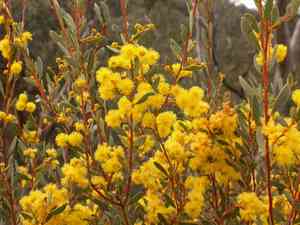
Acacia buxifolia (Acacia buxifolia)
Also known as: Box-leaf Wattle
Acacia buxifolia, also known as Box-leaf Wattle, is a hardy, evergreen shrub indigenous to southeastern Australia. It features stiff, box-shaped phyllodes that resemble those of Buxus and bears bright yellow, spherical flower clusters primarily in the winter and spring seasons. This shrub, which generally reaches heights of 1 to 3 meters, is well-suited to a range of soil types and is commonly found in dry sclerophyll forests, woodlands, and heathlands. Acacia buxifolia is noted for its ability to thrive in sunny, drought-prone environments.
In This Article
Attributes of Acacia buxifolia
Lifespan
Perennial
Plant Type
Shrub
Plant Height
1.5 to 4 meters
Spread
1.5 to 3 meters
Leaf Color
Dark green
Flower Size
1 to 2 cm
Flower Color
Bright yellow
Images of Acacia buxifolia
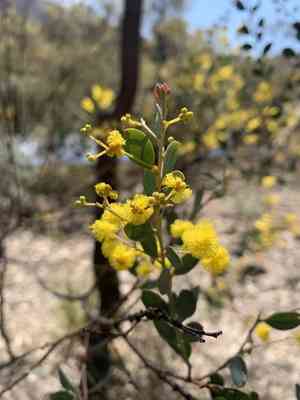
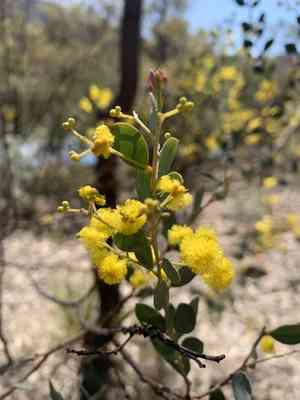
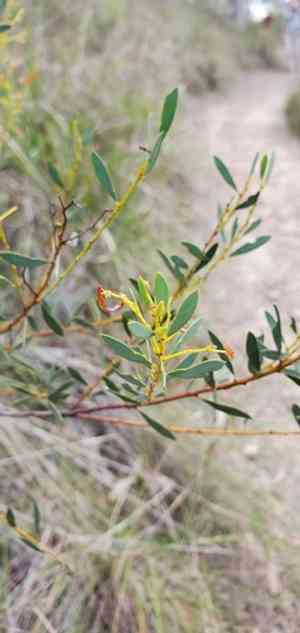
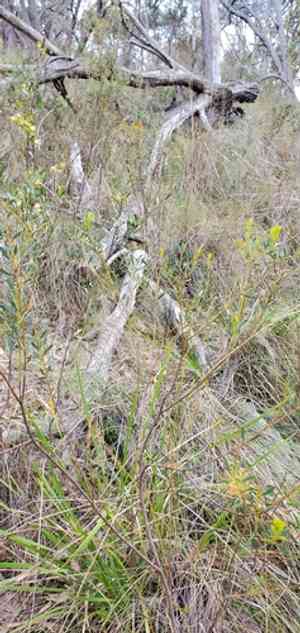
Quickly Identify Acacia buxifolia
1
Identify the plant by its small, box-shaped leaves and the bright yellow, ball-shaped flower clusters. The shrub typically grows in a dense, rounded form.
Scientific Classification of Acacia buxifolia
Phylum
Vascular plants
Class
Dicotyledons
Order
Fabales
Family
Legume
Genus
Acacias
Species
Acacia buxifolia
Planting and Growing of Acacia buxifolia
Care Difficulty
Moderate
Watering Schedule
Every 2 days
Sunlight Requirements
Full sun
Sunshine Duration
6-10 hours
Ideal Temperature
60-75℉
Soil Type
Potting Mix, Peat Mix
Soil pH
6.5-7.5
Fertilizer Type
Balanced
Pruning Season
Spring, Summer
Pruning Area
Branches, Leaves
Pruning Frequency
2 times a year
Repotting Season
Spring
Pot Type
Plastic, Ceramic
 How to Water Acacia buxifolia?
Acacia buxifolia thrives on a balance of moisture and dryness. Aim for around 500 ml of water each session, enough to moisten the soil without leaving it soggy. Water slowly so that the moisture reaches the roots but does not pool on the surface, which could lead to root rot.
What are the symptoms of an underwatered Acacia buxifolia?
›
What should I do if my Acacia buxifolia is not getting enough water?
›
What are the symptoms of an overwatered Acacia buxifolia?
›
How to save an overwatered Acacia buxifolia?
›
 What Are the Sunlight Requirements for Acacia buxifolia?
Acacia buxifolia requires full to partial sunlight, typically 6 to 8 hours daily. Sufficient lighting helps in optimal growth, vigorous flowering, and maintaining dense, healthy foliage.
What is the ideal lighting for Acacia buxifolia?
›
How can I ensure Acacia buxifolia gets ideal lighting?
›
What benefits does Acacia buxifolia gain from ideal lighting?
›
 What Is the Ideal Temperature Range for Acacia buxifolia?
The ideal temperature range for Acacia buxifolia is between 60°F and 75°F. This range supports optimal growth and sustains the metabolic functions of the plant. Maintaining this temperature helps to ensure the plant's overall health and vigor.
 What Soil is Best for Acacia buxifolia?
Acacia buxifolia thrives in well-drained soil which prevents root rot and encourages healthy growth. This ensures that the plant can access sufficient oxygen and moisture without being waterlogged. Rich soil compositions help to provide the essential nutrients required by Acacia buxifolia. Proper nutrient availability supports robust foliage and vibrant flowers, enhancing the plant's overall health and beauty. An aerated soil structure allows for better root expansion and nutrient absorption. This boosts the plant's stress resistance and ability to thrive even in unfavorable conditions, making it resilient and easy to maintain.
 How to Fertilize Acacia buxifolia?
Acacia buxifolia benefits from a balanced approach to fertilization. Liquid fertilizer should be diluted to half the recommended strength. Apply approximately 50-100 ml per plant depending on size. Solid slow-release fertilizers should be used sparingly, with around 50 grams per year.
 How to Prune Acacia buxifolia?
Start by observing the plant’s overall shape and identify any branches that are dead, diseased, or growing inwards. Removing these helps the plant conserve energy and maintain health. Make cuts just above a node (the point where leaves attach to the stem) or a healthy bud. This encourages new growth from the right point, improving the plant’s fullness. Periodically step back from the plant to assess the shape and structure as you prune. This helps guide your cuts and ensures a balanced appearance.
More About Pruning Techniques→
 How to Propagate Acacia buxifolia plant?
1
Before sowing, soak seeds in warm water for 12-24 hours to simulate the natural process they would experience in the wild. This helps soften the seed coat and can improve germination rates.
2
For cutting propagation, in early spring, select a healthy branch and cut a 10-15 cm section at a 45-degree angle just below a node. Remove excess leaves to reduce moisture loss and improve rooting chances.
3
Place seeds or cuttings in a well-draining medium, such as a mix of sand and peat, and water lightly. Ensure they have adequate warmth and indirect sunlight to foster growth and development.
 How to Repot Acacia buxifolia plant?
1
Look for signs such as roots growing through the drainage holes, slower growth, or the plant becoming top-heavy. These are clear indicators that your Acacia buxifolia needs more room and nutrients. Ideally, repotting should take place either in spring or early summer when the plant is most vigorous.
2
Select a pot that's 1-2 inches larger in diameter than the current one. This allows room for root expansion without overwhelming the plant with excess soil, which can retain too much moisture. A pot with good drainage holes is essential to prevent waterlogging, which is detrimental to Acacias.
3
Opt for a well-draining soil mix, preferably with components like sandy loam or perlite to aid in drainage. The right soil prevents root rot by allowing excess water to drain away efficiently while retaining enough moisture and nutrients for the plant’s needs.



