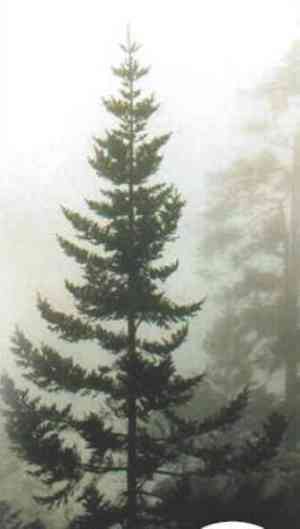
Guatemalan fir (Abies guatemalensis)
Also known as: Guatemalan fir
Abies guatemalensis, commonly known as the Guatemalan fir, is a species of conifer in the family Pinaceae. It is native to Guatemala, Honduras, and southern Mexico. This species is currently listed as endangered due to habitat loss and exploitation for timber.
In This Article
Attributes of Guatemalan fir
Lifespan
Perennial
Plant Height
20-35 meters
Spread
5-15 meters
Leaf Color
Dark green
Flower Size
Not applicable
Flower Color
Not applicable
Images of Guatemalan fir
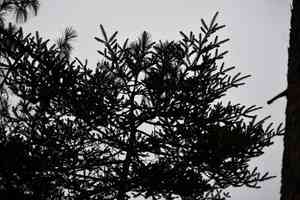
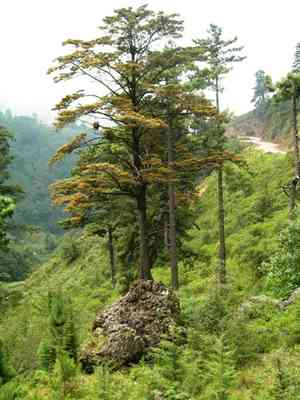
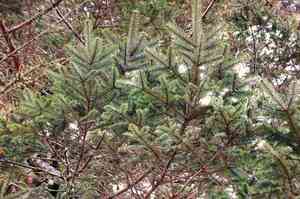
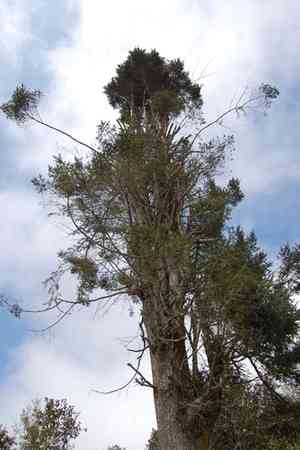
Quickly Identify Guatemalan fir
1
The Guatemalan fir can be identified by its tall, conical shape, with straight trunks and dark green, needle-like leaves that are glossy and flat. The cones are cylindrical and purplish-brown when mature.
Scientific Classification of Guatemalan fir
Phylum
Pinophyta
Class
Pinopsida
Order
Pinales
Family
Pinaceae
Genus
Abies
Species
Guatemalan fir
Planting and Growing of Guatemalan fir
Care Difficulty
Moderate
Watering Schedule
Every 2 days
Sunlight Requirements
Partial sun
Sunshine Duration
6-10 hours
Ideal Temperature
50-68℉
Soil Type
Potting Mix, Peat Mix
Soil pH
6.5-7.5
Fertilizer Type
Balanced
Pruning Season
Spring, Summer
Pruning Area
Branches, Leaves
Pruning Frequency
2 times a year
Repotting Season
Spring
Pot Type
Plastic, Ceramic
 How to Water Guatemalan fir?
For Abies guatemalensis, water until the topsoil feels moist but not waterlogged, typically needing about 500ml. The key is consistency without over-saturating. Make sure the water reaches root level for optimal growth.
What are the symptoms of an underwatered Guatemalan fir?
›
What should I do if my Guatemalan fir is not getting enough water?
›
What are the symptoms of an overwatered Guatemalan fir?
›
How to save an overwatered Guatemalan fir?
›
 What Are the Sunlight Requirements for Guatemalan fir?
Abies guatemalensis benefits from a light range that includes partial to full sun. This range supports robust growth, prevents deficiencies, and enhances the plant's resilience.
Optimal Sun Exposure
›
Problem-Solving for Ideal Light
›
Benefits of Ideal Lighting
›
 What Is the Ideal Temperature Range for Guatemalan fir?
Abies guatemalensis thrives best in a relatively cool climate with an ideal temperature range between 50°F and 68°F. This range provides the optimal conditions for growth, ensuring proper physiological processes, such as photosynthesis and nutrient uptake. Maintaining this temperature range can help in achieving robust and healthy growth, essential for this particular species.
 What Soil is Best for Guatemalan fir?
Abies guatemalensis thrives in nutrient-rich soil that supports healthy growth and lush foliage. Providing soil enriched with organic matter ensures that the tree has access to essential nutrients, promoting robust development. This species benefits from well-draining soil to prevent root rot and other moisture-related issues. Proper drainage allows excess water to escape, ensuring that the roots remain healthy and not waterlogged. Abies guatemalensis requires soil that retains some moisture without becoming too wet. Maintaining a balance between moisture retention and drainage supports steady growth and resilience against drought conditions.
 How to Fertilize Guatemalan fir?
For Abies guatemalensis, a delicate balance in fertilization is crucial. Use a balanced, water-soluble fertilizer with an N-P-K ratio of 10-10-10. Apply approximately 2 tablespoons per gallon of water during the growing season to encourage healthy growth. It's important not to exceed this quantity, as it can lead to negative effects on the plant's health.
 How to Prune Guatemalan fir?
Begin by inspecting the tree for any dead, diseased, or damaged branches, and remove them using clean, sharp pruners. This helps prevent the spread of diseases and promotes healthy growth. Next, shape the tree by selectively trimming branches to maintain a natural conical shape, ensuring not to cut more than a third of the total foliage at once to avoid undue stress on the plant. Always make cuts just above the lateral buds or branches to encourage proper healing and growth. Finally, clear away all cut debris from the base to prevent pests and infections.
More About Pruning Techniques→
 How to Propagate Guatemalan fir plant?
1
Before sowing, seeds of Abies guatemalensis may require stratification to break dormancy. This process involves chilling the seeds to simulate winter conditions, improving germination outcomes.
2
Select healthy, semi-hardwood cuttings about 10-15 cm long for propagation. Ensure these are disease-free and come from vigorous, non-flowering segments of the plant to enhance rooting potential.
3
Plant seeds or insert cuttings into well-draining soil. Maintain consistent moisture levels, avoid overwatering, and keep the environment at a stable temperature to facilitate early root development.
 How to Repot Guatemalan fir plant?
1
Repotting should be considered when the roots start emerging from the drainage holes or when Abies guatemalensis shows stunted growth. It’s crucial to catch these signs early in spring or autumn for best results.
2
Choose a pot that is slightly larger than the current one, with adequate drainage. A well-chosen pot prevents root rot, allows air circulation, and supports growth. For Abies guatemalensis, prioritize stability and depth.
3
Opt for an acidic, well-draining soil mix. This type of soil mimics the tree's natural habitat, providing necessary nutrients while preventing waterlogging, ensuring a stable environment for root expansion and health.
Toxicity
Ingestion, Contact
WARNING
The judgment on toxicity and danger is for reference only. We DO NOT GUARANTEE any accuracy of such judgment. Therefore, you SHALL NOT rely on such judgment. It is IMPORTANT TO SEEK PROFESSIONAL ADVICE in advance when necessary.


