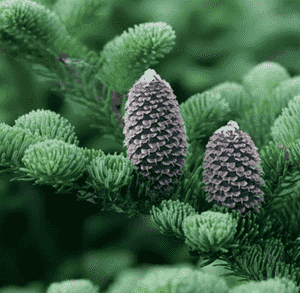
Fraser's fir (Abies fraseri)
Also known as: Fraser Fir
Abies fraseri, commonly known as Fraser fir, is a species of fir native to the Appalachian Mountains in the Southeastern United States. Known for its aromatic scent and conical shape, it is a popular choice for Christmas trees.
In This Article
Attributes of Fraser's fir
Lifespan
Perennial
Plant Type
Tree
Plant Height
30-50 feet (9-15 meters)
Spread
20-25 feet (6-8 meters)
Leaf Color
Dark green with silvery underside
Flower Size
Not applicable
Flower Color
Not applicable
Images of Fraser's fir
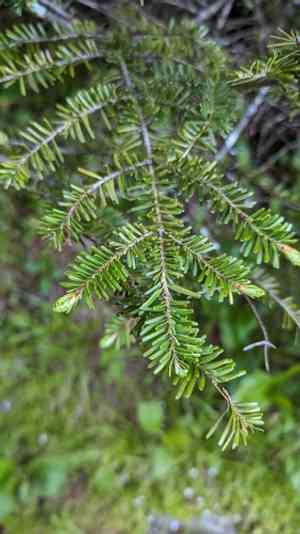
Quickly Identify Fraser's fir
1
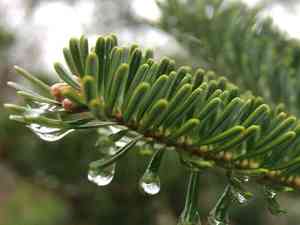
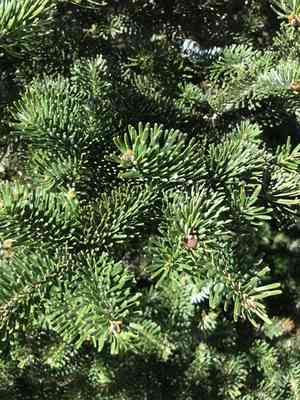
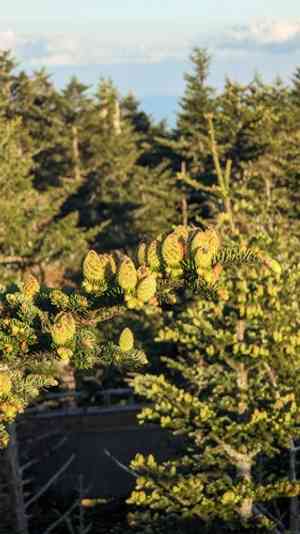
Fraser fir can be identified by its flat, needle-like leaves that have two silvery-white bands on the underside, and its smooth bark on young trees. The cones are cylindrical and stand upright on the branches.
Scientific Classification of Fraser's fir
Phylum
Coniferophyta
Class
Pinopsida
Order
Pinales
Family
Pinaceae
Genus
Abies
Species
Fraser's fir
Planting and Growing of Fraser's fir
Care Difficulty
Hard
Watering Schedule
Every 3 days
Sunlight Requirements
Full sun
Sunshine Duration
6-10 hours
Ideal Temperature
45-70℉
Soil Type
Potting Mix, Peat Mix
Soil pH
5-6.5
Fertilizer Type
Balanced
Pruning Season
Spring, Summer
Pruning Area
Branches, Leaves
Pruning Frequency
2 times a year
Repotting Season
Spring
Pot Type
Plastic, Ceramic
 How to Water Fraser's fir?
For Abies fraseri, ensure the soil remains consistently moist but not waterlogged. Watering with approximately 1000 ml each time allows the roots to fully absorb moisture without suffocating them. Aim to soak the root zone thoroughly, letting excess water drain off, which ensures the entire root system benefits without pooling water at the base.
What are the symptoms of an underwatered Fraser's fir?
›
What should I do if my Fraser's fir is not getting enough water?
›
What are the symptoms of an overwatered Fraser's fir?
›
How to save an overwatered Fraser's fir?
›
 What Are the Sunlight Requirements for Fraser's fir?
Abies fraseri flourishes in full sun to partial sun conditions, ideally within an environment receiving six to eight hours of light daily. This lighting boosts growth, ensuring the plant maintains its full form and vibrant color.
More About Sunlight Requirements Techniques→
What is the ideal light for Abies fraseri?
›
How to achieve ideal light conditions?
›
What benefits does ideal light provide?
›
 What Is the Ideal Temperature Range for Fraser's fir?
Abies fraseri, commonly known as Fraser fir, thrives best in cool environments that mirror its native mountainous habitats. The temperature range of 45°F to 70°F provides optimal conditions for photosynthesis and growth, ensuring the tree maintains its health and vigor throughout the growing season.
 What Soil is Best for Fraser's fir?
Abies fraseri thrives in soil that drains well to prevent root rot. Ensuring good drainage can significantly enhance root respiration, ultimately improving the tree's growth and vitality. The soil should be enriched with organic matter to provide essential nutrients. A nutrient-rich soil promotes healthier needles and a more robust overall plant. It's important that the soil remains consistently moist but not waterlogged. Moist soil helps in maintaining the plant's hydration needs without suffocating the roots.
More About Soil→
 How to Fertilize Fraser's fir?
For Abies fraseri, it is crucial to apply fertilizers sparingly. Typically, young plants may require more nutrients. Use a balanced, 10-10-10 NPK fertilizer, applying 0.5 pounds per 100 square feet of planting area.
 How to Prune Fraser's fir?
Begin by removing dead, diseased, or damaged branches. These branches can be identified by their lack of foliage or unusual coloring. Removing them helps prevent the spread of disease within the tree. Trim back live growth to maintain the tree's natural shape. Start at the top and work your way downward, removing no more than one-third of the tree's total growth in a single pruning session. This keeps the Fraser fir looking full and healthy. To promote new growth, cut just above healthy, outward-facing buds. This will stimulate the tree to sprout new branches that improve the overall shape and density of the foliage.
More About Pruning Techniques→
 How to Propagate Fraser's fir plant?
1
For seed propagation, collect mature cones from the tree and extract seeds. For cuttings, select healthy branches and cut them at a 45-degree angle to encourage rooting. Ensure you have the right material to start the propagation process.
2
Prepare a well-draining growing medium, such as a mix of sand, peat, and perlite. This mix provides the necessary aeration and moisture retention for seeds and cuttings to take root effectively.
3
Plant seeds or place cuttings in the prepared medium. For seeds, sow them at a shallow depth. Maintain consistent moisture levels and place them in a location with indirect sunlight. For cuttings, ensure similar care and consider using rooting hormone.
 How to Repot Fraser's fir plant?
1
Abies fraseri displays signs for repotting when its roots start to protrude through the drainage holes, or when it becomes sluggish in growth despite optimal care conditions. Observing yellowing needles or stunted growth can also indicate the need for a fresh start in a new pot.
2
Selecting the right pot for Abies fraseri involves picking one that is at least 2 inches larger in diameter than the current one. This extra space allows the roots the room they need to expand and grow without becoming root-bound, ensuring your plant stays healthy and vigorous.
3
Utilizing well-draining, slightly acidic soil is essential for Abies fraseri. This reduces the risk of waterlogging, which can lead to root rot, and matches the natural soil conditions the plant thrives in, encouraging healthy growth and development.



