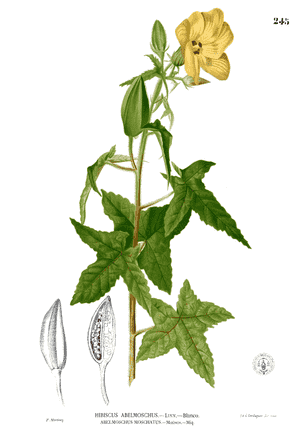
Musk okra (Abelmoschus moschatus)
Also known as: Abelmosk, Muskdana, Rose mallow, Ambrette
Pandan, also known as Pandanus amaryllifolius, is a tropical plant from Asia recognized for its unique musky fragrance. Its aromatic leaves are widely used in a variety of Asian culinary recipes. Additionally, Pandan leaves are utilized in the production of paper products.
In This Article
Attributes of Musk okra
Lifespan
Perennial
Plant Type
Shrub
Plant Height
46 cm to 61 cm
Spread
30 cm to 60 cm
Leaf Color
Green
Flower Size
7 cm to 12 cm
Flower Color
White Yellow Red Pink
Images of Musk okra
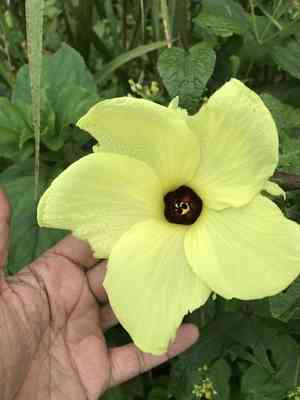
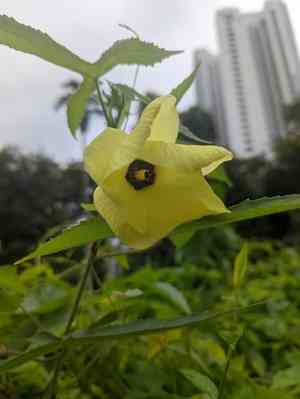
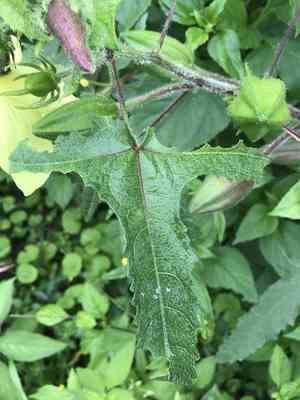
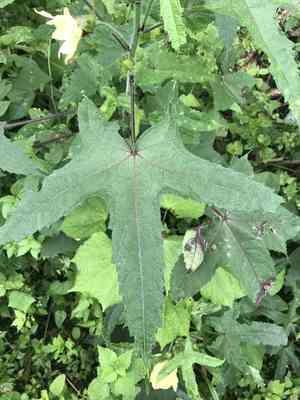
Quickly Identify Musk okra
1
To identify Abelmoschus moschatus, look for its distinct heart-shaped or oblong leaves with serrated edges and its bright, typically yellow flowers with a red or dark-maroon center.
Scientific Classification of Musk okra
Phylum
Vascular plants
Class
Dicotyledons
Order
Malvales
Family
Mallow
Genus
Abelmoschus
Species
Musk okra
Planting and Growing of Musk okra
Care Difficulty
Easy
Watering Schedule
Every 4 days
Sunlight Requirements
Full sun
Sunshine Duration
4-8 hours
Ideal Temperature
70-85℉
Soil Type
Potting Mix, Peat Mix
Soil pH
6.5-7.5
Fertilizer Type
Balanced
Pruning Season
Spring, Summer
Pruning Area
Branches, Leaves
Pruning Frequency
2 times a year
Repotting Season
Spring
Pot Type
Plastic, Ceramic
 How to Water Musk okra?
Abelmoschus moschatus prefers to have its soil consistently moist but not waterlogged. Aim to water around 250ml each time, making sure the soil is damp throughout but not soggy. Proper drainage ensures the roots are supported without drowning, which is key for healthy growth.
What are the symptoms of an underwatered Musk okra?
›
What should I do if my Musk okra is not getting enough water?
›
What are the symptoms of an overwatered Musk okra?
›
How to save an overwatered Musk okra?
›
 What Are the Sunlight Requirements for Musk okra?
Abelmoschus moschatus benefits from a mix of full and partial sunlight, fostering strong growth and enhancing flowering. Proper light exposure encourages the plant's natural beauty, vibrant blooms, and optimal oil production.
More About Sunlight Requirements Techniques→
What light conditions does Abelmoschus moschatus prefer?
›
How can you achieve ideal light conditions?
›
What benefits does the plant gain from ideal lighting?
›
 What Is the Ideal Temperature Range for Musk okra?
The ideal temperature range for growing Abelmoschus moschatus is between 70°F and 85°F. This range provides the perfect condition for its growth and blooming, allowing the plant to maximize photosynthesis and nutrient uptake. Maintaining these temperatures helps ensure robust growth and vibrant flowering.
 What Soil is Best for Musk okra?
Abelmoschus moschatus flourishes in well-drained soil, which prevents waterlogging and root rot. This condition ensures the optimal air and moisture balance needed for healthy growth and vibrant flower production. This plant benefits from nutrient-rich soil that is high in organic matter. Such soil promotes better root development and ensures ample nutrient availability for sustained growth throughout its life cycle. The soil should retain adequate moisture but not remain constantly wet. This requirement helps maintain a consistent water supply during dry periods while avoiding the risks of fungal diseases associated with overly wet conditions.
 How to Fertilize Musk okra?
For Abelmoschus moschatus, the recommended fertilizer amount is moderate. Use a balanced liquid fertilizer diluted to half strength, about 2 tablespoons per gallon of water, to avoid over-fertilization and ensure healthy growth.
 How to Prune Musk okra?
Begin by identifying any dead or yellowing leaves and remove them using sharp shears. Trim back leggy branches by making a cut just above a node, which is where a leaf is attached to the stem. This encourages new growth and bushier foliage. Ensure to space your cuts evenly around the plant to maintain a symmetrical shape and promote uniform growth. To boost flower production on Abelmoschus moschatus, focus on removing faded blooms regularly. Known as deadheading, this process prevents the plant from wasting energy on seed production and instead redirects resources towards developing new flowers.
More About Pruning Techniques→
 How to Propagate Musk okra plant?
1
Begin by soaking the seeds in warm water for 24 hours to soften the seed coat. Plant the seeds in a well-draining potting mix and cover lightly with soil. Keep the tray in a warm area with indirect sunlight.
2
Select a healthy stem from the mother plant and use sharp pruning shears to cut a 4-6 inch section. Remove leaves from the lower half of the cutting to prevent wilting.
3
Place the cut end of the stem cutting in a glass of water. Change the water every few days, and wait for roots to develop before transferring to soil.
 How to Repot Musk okra plant?
1
Abelmoschus moschatus should be repotted when you notice roots poking out of the drainage holes, indicating the plant is root-bound. This typically occurs every 1-2 years. The best time to replant is during active growth periods, especially in spring or early summer, when the plant can quickly recover from any disturbance.
2
Select a pot that is one size larger than the current one. It should have proper drainage holes to prevent waterlogging, which can lead to root rot. A slightly larger pot allows space for root development, promoting a healthier plant growth while preventing the risk of excess water retention.
3
Use a well-draining potting mix that blends peat, perlite, and organic matter. This type of soil offers excellent aeration and drainage, ensuring that the roots are not waterlogged while also providing essential nutrients and a stable structure for root expansion.
Learn More About Musk okra Diseases
Anthracnose
Bacterial Leaf Spot
Bacterial Wilt
Damping-off
Downy Mildew
Drought Stress
Fusarium Wilt
Gray Mold
Leaf Curl
Leaf Spot
Mosaic
Nutrient Deficiency
Nutrient Toxicity
Powdery Mildew
Root Rot
Root-knot Nematode
Rusts
Sooty Mold
Spider Mites
Temperature Stress
Thrips Damage
White Mold
Chemical Injury



