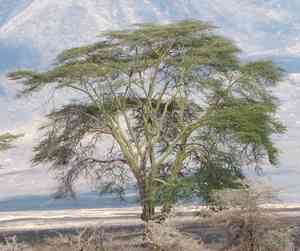
Fever tree (Vachellia xanthophloea)
Also known as: Fever Tree
The Palo Verde tree is notable for its smooth, greenish-yellow bark and thorny branches. It features a spreading canopy with delicate, fine-textured leaves. This tree flourishes in open woodlands and near watercourses. Its creamy-white, spherical flowers not only add to its beauty but also attract various pollinators, making it a key species in its native environment.
In This Article
Attributes of Fever tree
Lifespan
Perennial
Plant Type
Tree
Plant Height
15-25 meters
Spread
10-15 meters
Leaf Color
Green
Flower Size
0.5-1 centimeters
Flower Color
Yellow
Images of Fever tree
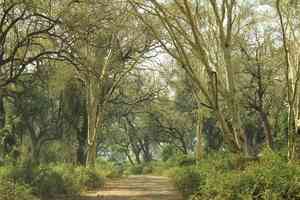
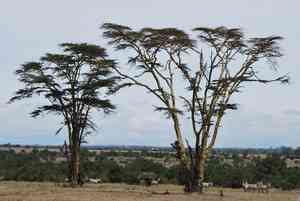
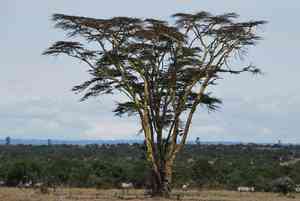
Quickly Identify Fever tree
1
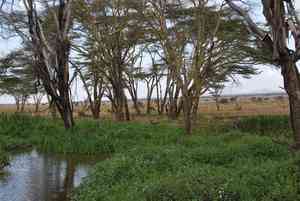
Identify Fever Tree by its greenish-yellow bark, finely divided leaves, and thorns that occur in pairs. The tree produces small yellow flowers in spherical clusters.
Scientific Classification of Fever tree
Phylum
Vascular plants
Class
Dicotyledons
Order
Fabales
Family
Legume
Genus
Thorn trees
Species
Fever tree
Planting and Growing of Fever tree
Care Difficulty
Easy
Watering Schedule
Every 3 days
Sunlight Requirements
Full sun
Sunshine Duration
6-10 hours
Ideal Temperature
68-86℉
Soil Type
Potting Mix, Peat Mix
Soil pH
6.5-7.5
Fertilizer Type
Balanced
Pruning Season
Spring, Summer
Pruning Area
Branches, Leaves
Pruning Frequency
2 times a year
Repotting Season
Spring
Pot Type
Plastic, Ceramic
 How to Water Fever tree?
For Vachellia xanthophloea, it's important to provide about 500 ml of water per session. The principle is to keep the soil moist but not soggy, allowing it to dry slightly between waterings to mimic its natural, drought-tolerant environment. Ensure that the top inch of the soil is dry before the next watering.
What are the symptoms of an underwatered Fever tree?
›
What should I do if my Fever tree is not getting enough water?
›
What are the symptoms of an overwatered Fever tree?
›
How to save an overwatered Fever tree?
›
 What Are the Sunlight Requirements for Fever tree?
The Vachellia xanthophloea thrives in environments that offer full to partial sunlight, about six to eight hours a day. Meeting these conditions promotes healthy foliage and sustainable growth patterns.
What is the best lighting condition for Vachellia xanthophloea?
›
How can you achieve the ideal lighting conditions for this plant?
›
What are the benefits of meeting the plant's ideal lighting requirements?
›
 What Is the Ideal Temperature Range for Fever tree?
The ideal temperature range for Vachellia xanthophloea is between 68°F and 86°F. This temperature range facilitates optimal photosynthesis and growth. During this range, the plant can efficiently utilize nutrients and water, leading to robust growth and overall plant health. Consistent exposure to these temperatures maximizes resilience against pests and diseases.
 What Soil is Best for Fever tree?
Vachellia xanthophloea thrives in soils that provide moderate moisture retention. It requires soil that can hold moisture without waterlogging, allowing for adequate oxygenation of the roots. The tree benefits greatly from nutrient-rich soils which offer essential minerals and nutrients. This supports vigorous growth and robust health, ensuring the tree remains resilient to environmental stresses. This species does best in well-draining soils. Proper drainage prevents root rot and fungal diseases, ensuring the tree's longevity and vitality.
 How to Fertilize Fever tree?
For Vachellia xanthophloea, use a balanced fertilizer with a ratio like 10-10-10. For liquid fertilizers, apply a solution of 1 tablespoon per gallon of water per application. For slow-release fertilizers, follow the package instructions and use about 1 to 2 pounds per 100 square feet for the area surrounding the tree.
 How to Prune Fever tree?
Always begin pruning by removing any dead or diseased branches. This not only improves the tree's appearance but also helps prevent diseases from spreading. Cut branches at the base near the trunk or main limb, avoiding leaving stubs. Carefully thin out the canopy to improve air circulation and light penetration. This involves selectively removing crowded branches, focusing on those that cross or rub against each other. Aim to maintain the tree's natural shape while promoting a healthier structure.
More About Pruning Techniques→
 How to Propagate Fever tree plant?
1
Gather mature seeds from the tree's pods when they are dry. These pods usually split open when ripe. Remove the seeds carefully, ensuring they are free from empty or damaged pods.
2
Use a well-draining potting mix composed of sand, perlite, and compost to ensure proper aeration and nutrient availability. The soil should be gently moistened before sowing seeds or planting cuttings.
3
Select healthy branches for cuttings, ideally semi-hardwood. Dip the cut end in rooting hormone, then insert it into a prepared pot or seed tray. Ensure cuttings are upright and at least one node is below the soil level.
 How to Repot Fever tree plant?
1
Repotting Vachellia xanthophloea should be considered when you notice roots starting to protrude out of the drainage holes or the plant becomes root-bound. Additionally, slow growth or poor overall health can signal it’s time for a bigger pot.
2
Select a container that is one to two inches larger in diameter than the current pot. Ensure it has ample drainage holes to prevent water from accumulating, which can lead to root rot and other issues.
3
Choose a well-draining sandy loam that mimics the plant's native habitat. This type of soil will support proper root aeration and minimize the risk of waterlogging, promoting healthier growth.
Toxicity
Ingestion, Contact
WARNING
The judgment on toxicity and danger is for reference only. We DO NOT GUARANTEE any accuracy of such judgment. Therefore, you SHALL NOT rely on such judgment. It is IMPORTANT TO SEEK PROFESSIONAL ADVICE in advance when necessary.
Learn More About Fever tree Diseases
Anthracnose
Bacterial Leaf Spot
Bacterial Wilt
Black Spot
Chemical Injury
Crown Gall
Cyst Nematode
Damping-off
Drought Stress
Fusarium Wilt
Gray Mold
Leaf Curl
Leaf Spot
Mosaic
Nutrient Deficiency
Nutrient Toxicity
Powdery Mildew
Root Rot
Root-knot Nematode
Rusts
Sooty Mold
Spider Mites
Temperature Stress
Thrips Damage
White Mold



