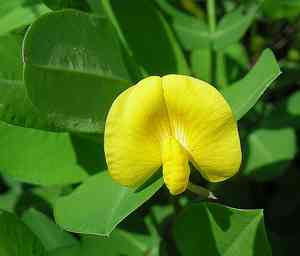
Caribbean stylo (Stylosanthes hamata)
Also known as: Carribbean stylo
Centrosema molle is a hardy tropical legume flourishing in sun-drenched savannas. Its seeds, equipped with hook-like structures, latch onto animals for dispersal. The plant's trifoliate leaves play a crucial role in nitrogen fixation, enhancing soil fertility. With its slender stems and delicate flowers, Centrosema molle endures even the driest environments.
In This Article
Attributes of Caribbean stylo
Lifespan
Perennial
Plant Type
Herb
Plant Height
0 mm to 91 cm
Spread
0.5 to 1.5 meters
Leaf Color
Green
Flower Size
0.5 to 1 cm
Flower Color
Yellow
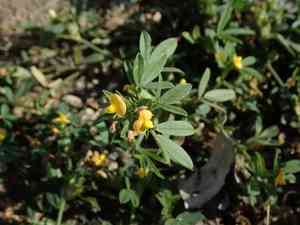
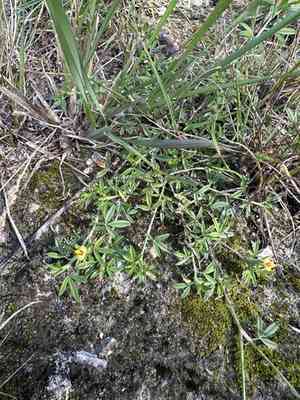
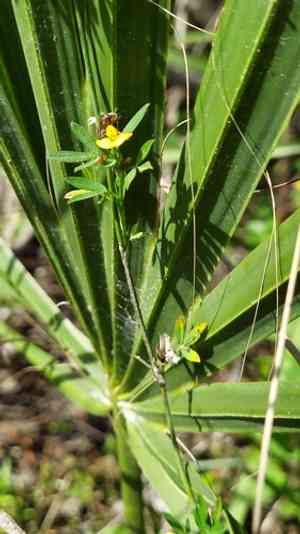
Images of Caribbean stylo
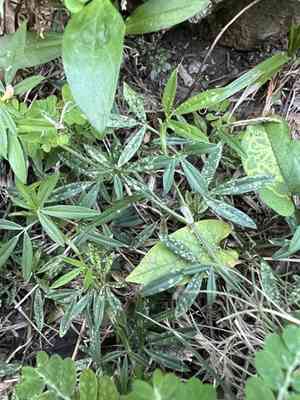
Quickly Identify Caribbean stylo
1
Stylosanthes hamata can be identified by its branches covered with fine hairs, trifoliate leaves with oblong to lanceolate leaflets, and small yellow flowers arranged in clusters.
Scientific Classification of Caribbean stylo
Phylum
Vascular plants
Class
Dicotyledons
Order
Fabales
Family
Legume
Genus
pencilflower
Species
Caribbean stylo
Planting and Growing of Caribbean stylo
Care Difficulty
Moderate
Watering Schedule
Every 4 days
Sunlight Requirements
Partial sun
Sunshine Duration
6-10 hours
Ideal Temperature
68-86℉
Soil Type
Potting Mix, Peat Mix
Soil pH
6.5-7.5
Fertilizer Type
Balanced
Pruning Season
Spring, Summer
Pruning Area
Branches, Leaves
Pruning Frequency
2 times a year
Repotting Season
Spring
Pot Type
Plastic, Ceramic
 How to Water Caribbean stylo?
When watering Stylosanthes hamata, ensure the soil is saturated without leaving it waterlogged. Aim for about 250 milliliters per watering session. The key is to allow the top inch of soil to dry out between waterings to avoid root rot while still keeping the plant comfortably moist.
What are the symptoms of an underwatered Caribbean stylo?
›
What should I do if my Caribbean stylo is not getting enough water?
›
What are the symptoms of an overwatered Caribbean stylo?
›
How to save an overwatered Caribbean stylo?
›
 What Are the Sunlight Requirements for Caribbean stylo?
Stylosanthes hamata thrives in 4 to 8 hours of sun daily. Ideal lighting ensures optimal growth, robust health, and maximizes its resilience against environmental stressors.
What is the ideal light for Stylosanthes hamata?
›
How to achieve ideal light conditions?
›
What are the benefits of ideal lighting?
›
 What Is the Ideal Temperature Range for Caribbean stylo?
Stylosanthes hamata thrives best in temperatures ranging from 68°F to 86°F. Maintaining this temperature range is crucial for optimal growth and health of the plant, promoting robust photosynthesis and nutrient uptake.
 What Soil is Best for Caribbean stylo?
Stylosanthes hamata thrives best in soil that drains efficiently. Without proper drainage, the plant's roots may rot, stunting its growth and productivity. Well-drained soil prevents waterlogging while offering adequate moisture, promoting healthy root development. This plant prefers soils with moderate fertility. A balanced nutrient profile ensures robust growth, enabling the plant to form a dense cover that helps prevent soil erosion. It also produces lush foliage, beneficial for forage. While excellent drainage is crucial, the soil should still have the capacity to retain some moisture. This characteristic ensures that the plant does not face prolonged periods of drought stress, helping sustain its growth even during dry spells.
 How to Fertilize Caribbean stylo?
For Stylosanthes hamata, it's crucial to ensure that the soil nutrients are balanced. Use about 1-2 teaspoons of balanced liquid fertilizer per gallon of water for monthly applications. For slow-release granules, sprinkle about 2-3 tablespoons per plant annually, but ensure it's well-distributed around the base without touching the stems.
 How to Prune Caribbean stylo?
Carefully examine your Stylosanthes hamata to identify dead, diseased, or damaged branches. These should be the first to go as they can compromise the plant’s health. Look for branches that cross or compete for space. Prune just above a leaf node or bud to encourage new growth. Make angled cuts to prevent water from collecting on the cut surfaces, which can lead to rot. Aim to maintain the natural shape for optimal plant health.
More About Pruning Techniques→
 How to Propagate Caribbean stylo plant?
1
Use a well-draining soil mix to prepare for seed or cutting propagation. Ensure the soil is sterilized to prevent any pathogen growth that could harm the young plants.
2
For seed propagation, lightly scatter the seeds on the soil surface and cover them with a thin layer of soil. Water gently and maintain consistent moisture until germination occurs.
3
Select healthy stems for cuttings, making sure they are at least 4-6 inches long. Remove the lower leaves and plant the cutting in moist soil. Keep the cuttings in a warm, humid environment to encourage root development.
 How to Repot Caribbean stylo plant?
1
Repotting Stylosanthes hamata is best done when you notice that its growth has slowed or it has become root-bound. This typically means roots are visible on the surface, coming out of the drainage holes, or the plant seems crowded despite regular growth periods. The best time to undertake this is during the Spring or Summer when the plant is in active growth, facilitating better recovery.
2
Choose a pot that is one size larger than the current pot. Ensure it has sufficient drainage holes at the bottom. The material should offer good breathability to prevent excess moisture retention. Using a slightly larger pot prevents the plant from becoming root-bound too quickly and allows ample space for growth while ensuring proper drainage to avoid root rot.
3
Opt for a well-draining potting mix suited for Stylosanthes hamata. The soil should be light and airy, ideally containing ingredients like perlite or sand to enhance drainage. This type of soil prevents waterlogging and compaction, providing an optimum root environment which helps in promoting healthier growth and prevents overwatering issues.



