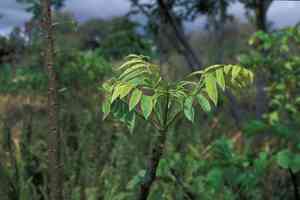
June plum (Spondias dulcis)
Also known as: Jewish plum, Golden apple
The breadfruit tree is a tropical plant that yields an edible fruit cherished in the culinary traditions of Southeast Asia, the Pacific Islands, and the Caribbean. Additionally, its leaves are consumed in countries such as Thailand and Costa Rica. This versatile tree is cultivated both commercially and in home gardens. For smaller spaces, its growth can be managed by planting it in containers.
In This Article
Attributes of June plum
Lifespan
Perennial
Plant Type
Tree
Plant Height
9 to 12 m
Spread
Can grow up to 10 meters in diameter
Leaf Color
Green
Flower Size
Approximately 5 millimeters
Flower Color
White
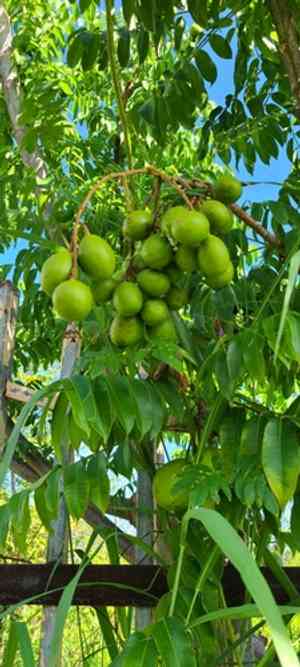
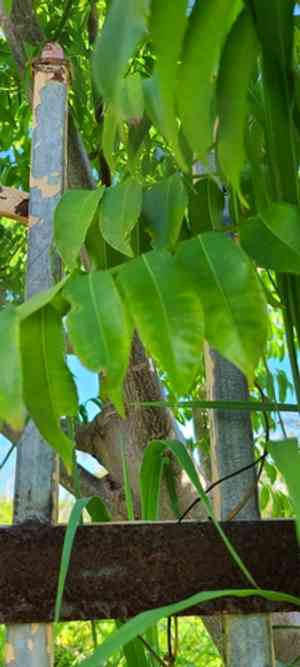
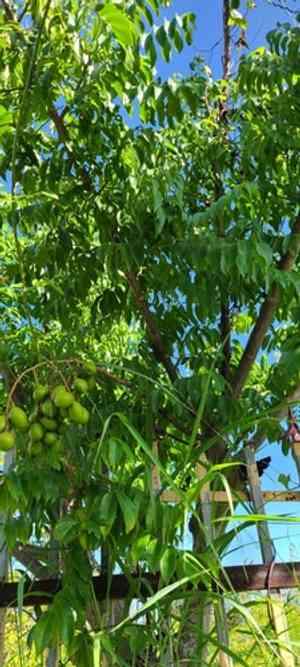
Images of June plum
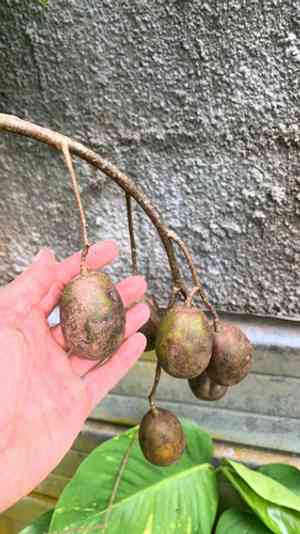
Quickly Identify June plum
1
To identify Spondias dulcis, look for a medium-sized tree with a spreading canopy. The leaves are pinnately compound, with leaflets that are ovate to elliptic. The tree produces small whitish flowers in clusters, and the fruit is oval, with a thin, inedible skin and a fibrous pit in the center.
Scientific Classification of June plum
Phylum
Vascular plants
Class
Dicotyledons
Order
Sapindales
Family
Cashew
Genus
Hog Plums
Species
June plum
Planting and Growing of June plum
Care Difficulty
Moderate
Watering Schedule
Every 3 days
Sunlight Requirements
Full sun
Sunshine Duration
6-10 hours
Ideal Temperature
68-86℉
Soil Type
Potting Mix, Peat Mix
Soil pH
5.5-7.5
Fertilizer Type
Balanced
Pruning Season
Spring, Summer
Pruning Area
Branches, Leaves
Pruning Frequency
2 times a year
Repotting Season
Spring
Pot Type
Terracotta, Plastic
 How to Water June plum?
Spondias dulcis, commonly known as the Ambarella, prefers a watering regimen that allows the topsoil to dry out slightly between waterings. Typically, watering about 1000 milliliters is sufficient as it fosters deep root growth and ensures the plant isn’t waterlogged.
What are the symptoms of an underwatered June plum?
›
What should I do if my June plum is not getting enough water?
›
What are the symptoms of an overwatered June plum?
›
How to save an overwatered June plum?
›
 What Are the Sunlight Requirements for June plum?
Spondias dulcis thrives best in full to partial sun, receiving 6-8 hours of daily sunlight. Adequate light ensures strong photosynthesis, boosting growth and ensuring ample fruit production.
What is the best light for Spondias dulcis?
›
How can you ensure ideal lighting conditions?
›
What are the benefits of providing ideal lighting?
›
 What Is the Ideal Temperature Range for June plum?
For optimal growth, Spondias dulcis thrives best in temperatures ranging from 68°F to 86°F. This range supports robust metabolic activities, ensuring healthy plant development. Maintaining this temperature range helps the species achieve best results in terms of fruit yield and quality.
 What Soil is Best for June plum?
The soil needs excellent drainage to prevent waterlogging, which can cause root rot in Spondias dulcis. This attribute ensures that excess water can swiftly exit, promoting healthier root systems and robust plant growth. A nutrient-rich substrate is crucial to support the vigorous growth of Spondias dulcis. Incorporating organic matter or compost can enhance soil fertility, supplying essential nutrients which lead to better fruit production and healthier foliage. While well-draining, the soil should also retain enough moisture to keep the plant hydrated between waterings. This balance helps the plant absorb nutrients efficiently and maintain steady growth without the stress of drought.
 How to Fertilize June plum?
For Spondias dulcis, use around 200 grams of a well-balanced granular fertilizer per plant each year. Alternatively, apply a diluted liquid fertilizer monthly using about 20 milliliters per liter of water. Adjust the amount based on plant size.
 How to Prune June plum?
Begin by assessing the overall shape of your Spondias dulcis tree. Identify branches that cross over each other, as well as any dead or diseased wood. Using sharp, sterilized pruning shears, start by removing these branches. Ensure cuts are clean and angled to prevent water collection, which could lead to rot. Focus on opening up the center of the tree to improve sunlight penetration and air circulation, which are crucial for the plant's health. To maintain the desired size and shape of your tree, remove excessive growth by cutting back to a healthy lateral branch or bud. This promotes a bushier appearance and prevents the tree from becoming too top-heavy. Avoid over-pruning; instead, gradually shape the tree over several seasons to avoid stress and ensure balanced growth.
 How to Propagate June plum plant?
1
Begin by collecting mature seeds from a ripe fruit. Remove the seed from the pulp and rinse it thoroughly to avoid any fungal growth. Sow the seeds in a sterile seed-starting mix, covering them lightly with soil. Keep the soil moist but not waterlogged.
2
Select a healthy parent plant and take semi-hardwood cuttings of about 6-8 inches long during the growing season. Remove any leaves from the lower half of the cutting. Dip the cut end into rooting hormone and place it into a prepared pot with well-draining soil.
3
Grafting requires selecting a compatible rootstock and scion. Make an incision in the rootstock and a corresponding cut in the scion, aligning their cambiums. Secure the graft with grafting tape and protect it with grafting wax. Monitor for successful union formation.
 How to Repot June plum plant?
1
Spondias dulcis often reveals its need for repotting through slow growth and a dense root system circling inside the pot. Typically, if you notice roots emerging from the drainage holes or the soil doesn't retain moisture, it's a clear signal to proceed with repotting.
2
Select a pot that is one to two inches larger in diameter than the current one. The ideal pot should have adequate drainage holes and a sturdy construction to support the plant as it grows. Choosing the right pot prevents root rot and allows ample space for the roots to expand.
3
Opt for a well-draining loamy soil that supports adequate aeration and retains just the right amount of moisture. This type of soil provides a perfect balance that prevents waterlogging and supports healthy root development, essential for Spondias dulcis.
Learn More About June plum Diseases
Anthracnose
Bacterial Leaf Spot
Bacterial Soft Rot
Bacterial Wilt
Chemical Injury
Damping-off
Downy Mildew
Drought Stress
Fusarium Wilt
Gray Mold
Leaf Curl
Leaf Spot
Mosaic
Nutrient Deficiency
Nutrient Toxicity
Powdery Mildew
Root Rot
Root-knot Nematode
Sooty Mold
Spider Mites
Temperature Stress
Thrips Damage
White Mold



