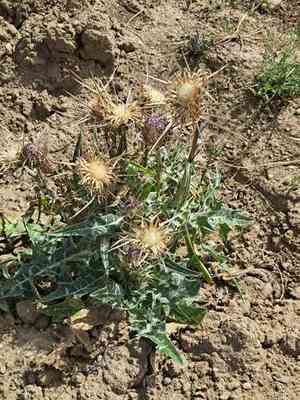
Silver milk thistle (Silybum eburneum)
Also known as: Ivory Thistle, Milk Thistle
The plant you're referring to is the Silver Milk Thistle. It features striking rosettes of silver-veined, deeply lobed leaves with spiny edges. The plant produces elegant, creamy-white flowers that are encased in spiny bracts, standing tall above the foliage. Well-suited to dry, rocky soils and Mediterranean climates, Silver Milk Thistle combines resilience with ornamental appeal.
In This Article
Attributes of Silver milk thistle
Lifespan
Biennial
Plant Type
Herb
Plant Height
1.5 to 2 meters
Spread
0.6 to 1 meter
Leaf Color
Green with white veins
Flower Size
5 to 10 cm
Flower Color
Purple
Images of Silver milk thistle
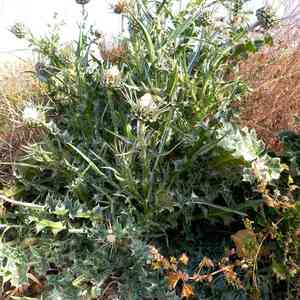
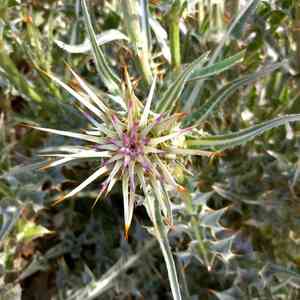

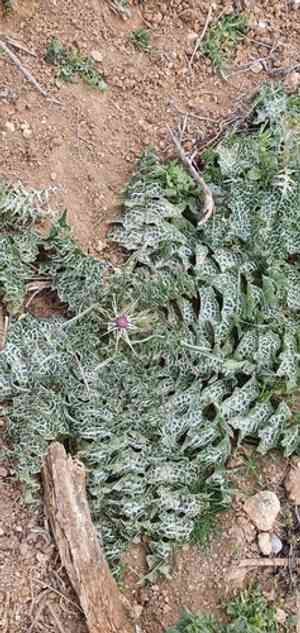
Quickly Identify Silver milk thistle
1
Identify Silybum eburneum by its large, lobed, and prickly leaves with white marbling. The flowers are typically purple, blooming from a bulbous, thistle-like head.
Scientific Classification of Silver milk thistle
Phylum
Vascular plants
Class
Dicotyledons
Order
Asterales
Family
Daisy
Genus
Milk thistles
Species
Silver milk thistle
Planting and Growing of Silver milk thistle
Care Difficulty
Easy
Watering Schedule
Every 2 days
Sunlight Requirements
Full sun
Sunshine Duration
6-10 hours
Ideal Temperature
60-75℉
Soil Type
Potting Mix, Peat Mix
Soil pH
6.5-7.5
Fertilizer Type
Balanced
Pruning Season
Spring, Summer
Pruning Area
Branches, Leaves
Pruning Frequency
2 times a year
Repotting Season
Spring
Pot Type
Plastic, Ceramic
 How to Water Silver milk thistle?
Silybum eburneum requires a consistent supply of moisture yet should not be waterlogged. Water until the soil feels damp down to about 2 inches, ensuring excess water drains away to prevent root rot.
What are the symptoms of an underwatered Silver milk thistle?
›
What should I do if my Silver milk thistle is not getting enough water?
›
What are the symptoms of an overwatered Silver milk thistle?
›
How to save an overwatered Silver milk thistle?
›
 What Are the Sunlight Requirements for Silver milk thistle?
Silybum eburneum thrives best with full sun exposure, receiving about 6 to 8 hours of light daily. This promotes healthy growth, vibrant leaves, and abundant flowering.
What is the best location for Silybum eburneum?
›
How to adjust the light exposure for my plant?
›
Does Silybum eburneum benefit from artificial lighting?
›
 What Is the Ideal Temperature Range for Silver milk thistle?
The ideal temperature range for cultivating Silybum eburneum is between 60°F and 75°F. This range allows the plant to perform physiological processes effectively, promoting healthy growth and development. Maintaining temperatures within this range helps ensure optimal metabolic activity and nutrient uptake.
 What Soil is Best for Silver milk thistle?
Silybum eburneum thrives in well-drained soil, which prevents waterlogging and root rot. Ensuring proper drainage is critical, as this plant prefers not to have 'wet feet'. It mimics the plant's natural Mediterranean habitats, promoting healthier growth and resilience. A soil of moderate fertility helps Silybum eburneum develop robust foliage without excessive leaf growth that might weaken the plant. It's essential to balance nutrients to encourage its beautiful flowering without promoting pests. While it can tolerate a range of pH levels, Silybum eburneum does best in slightly alkaline to neutral soil. This pH level ensures essential nutrients remain available to the plant, aiding in vigorous development and optimal health.
 How to Fertilize Silver milk thistle?
For Silybum eburneum, use a balanced liquid fertilizer at half the recommended strength. Applying around 1 tablespoon of liquid fertilizer diluted in 1 gallon of water should be sufficient for each application.
 How to Prune Silver milk thistle?
Start by sterilizing your pruning shears to avoid spreading diseases. Identify dead or damaged stems, removing them close to the base to encourage healthy new growth. Trim back any overgrown branches to maintain a manageable size and shape. Keep the center open to enhance light penetration and airflow.
More About Pruning Techniques→
 How to Propagate Silver milk thistle plant?
1
Choose healthy, disease-free stems or seeds from a mature plant to ensure successful propagation. This step is crucial in avoiding infected or weak offspring.
2
Use a well-draining soil mix that retains enough moisture for growing plants. A mix of perlite, peat moss, and compost provides the ideal conditions for root development.
3
After planting seeds or cuttings, ensure consistent watering to maintain a moist environment. Overwatering should be avoided as it can lead to root rot.
 How to Repot Silver milk thistle plant?
1
Look for signs such as roots protruding from drainage holes, slow growth, or the soil drying out quicker than usual. These are indicators your Silybum eburneum needs a new home with fresh nutrients and more space to thrive.
2
Select a pot that is 2-3 inches larger in diameter. Ensure it has adequate drainage holes to prevent waterlogging which can lead to root rot. A slightly bigger pot ensures enough space for root growth and better stability for the plant.
3
Use a well-draining loamy mix enhanced with organic matter. This soil retains moisture while allowing excess water to escape, mimicking natural conditions and promoting healthy root development and plant vigor.
Learn More About Silver milk thistle Diseases
Anthracnose
Bacterial Leaf Spot
Bacterial Wilt
Crown Gall
Cyst Nematode
Damping-off
Downy Mildew
Drought Stress
Fusarium Wilt
Gray Mold
Leaf Spot
Mosaic
Nutrient Deficiency
Nutrient Toxicity
Powdery Mildew
Root Rot
Root-knot Nematode
Rusts
Sooty Mold
Spider Mites
Temperature Stress
Thrips Damage
White Mold
Chemical Injury



