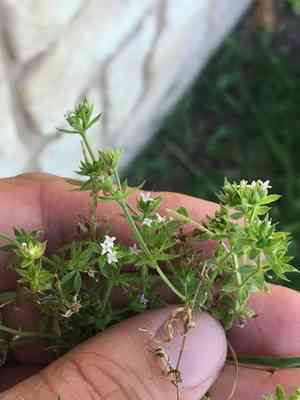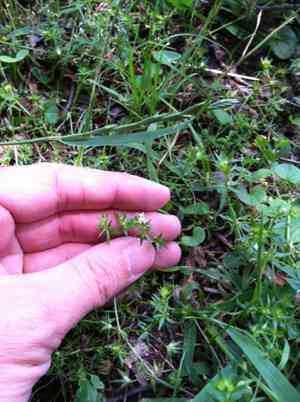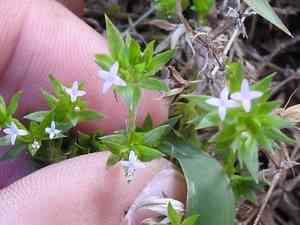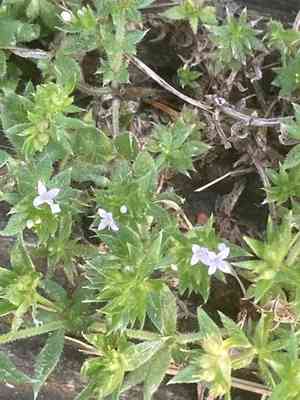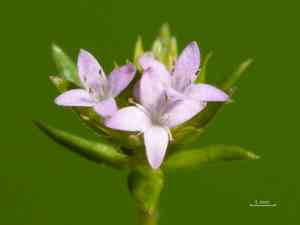
Blue field-madder(Sherardia arvensis)

Blue field-madder (Sherardia arvensis)

Also known as: Field madder, Blue Field Madder, Spurwort

Blue field-madder (Sherardia arvensis) is frequently encountered in fields, gardens, roadsides, and disturbed areas. This annual herb is characterized by its small clusters of pale purple to pink flowers, square stems, and narrow, lance-shaped leaves arranged in whorls.

**Characteristics:**
- **Growth:** Low, spreading habit.
- **Leaves:** Narrow, lance-shaped, in whorls.
- **Flowers:** Tiny, star-shaped, pale purple to pink.
- **Stems:** Square in cross-section.

**Uses:**
- **Dye Production:** Contains roots that can produce a red dye, although it is less effective than traditional madder.
- **Medicinal:** Historically used in folk medicine for its diuretic and anti-inflammatory properties.
- **Ecological:** Serves as a ground cover, aiding soil health.

Often considered a weed in agricultural contexts, blue field-madder holds value in traditional dye-making and folk medicine.

Attributes of Blue field-madder

Lifespan
Annual, Biennial
Plant Type
Herb
Plant Height
40 cm
Spread
10 cm to 30 cm
Leaf Color
Green
Flower Size
3 mm
Flower Color
Pink Purple

ForwardPlant - Identify plants with a snap

Identify and diagnose plants, get toxicity alerts, and explore safety guides for all types of fungi.

Try for Free

Images of Blue field-madder

Blue field-madder(Sherardia arvensis)

Quickly Identify Blue field-madder

1
It can be identified by its small, blue to purple star-shaped flowers that typically have four petals. The plant has square stems and whorled leaves, usually in groups of 4–6 per whorl. The leaves are narrow, pointed, and hairy, especially on the underside.

Scientific Classification of Blue field-madder

Phylum
Vascular plants
Class
Dicotyledons
Order
Gentianales
Family
Madder
Genus
Sherardia
Species
Blue field-madder

Planting and Growing of Blue field-madder

Care Difficulty
Easy
Watering Schedule
Every 4 days
Sunlight Requirements
Full sun
Sunshine Duration
6-10 hours
Ideal Temperature
59-77℉
Soil Type
Potting Mix, Peat Mix
Soil pH
6.5-7.5
Fertilizer Type
Balanced
Pruning Season
Spring, Summer
Pruning Area
Branches, Leaves
Pruning Frequency
2 times a year
Repotting Season
Spring
Pot Type
Plastic, Ceramic

water icon How to Water Blue field-madder?

When watering Sherardia arvensis, aim to provide around 150 ml of water per session. This amount ensures that the soil is moistened thoroughly but not waterlogged. It is crucial to maintain a balance where the roots are adequately hydrated without being submerged in water.
What are the symptoms of an underwatered Blue field-madder?
What should I do if my Blue field-madder is not getting enough water?
What are the symptoms of an overwatered Blue field-madder?
How to save an overwatered Blue field-madder?

sunlight icon What Are the Sunlight Requirements for Blue field-madder?

Sunlight Requirements: Full sun
Duration of light: 6-8 hours daily
Sherardia arvensis benefits optimally from full sun exposure. Ideal light ensures robust growth, colorful blooms, and shields against pests by catalyzing critical photosynthetic and cellular functions.
What is the ideal lighting condition?
How can I ensure the plant gets ideal lighting?
What are the benefits of ideal lighting for the plant?

temperature icon What Is the Ideal Temperature Range for Blue field-madder?

Ideal Temperature: 59 ~ 77℉
The ideal temperature range for Sherardia arvensis is between 59°F and 77°F. This range provides optimal growing conditions, ensuring the plant receives just the right amount of warmth and cooler nights to fully thrive. These temperatures facilitate consistent growth and proper flowering, allowing the plant to develop strong and healthy.

soil icon What Soil is Best for Blue field-madder?

Soil type: Sandy soil, Loam
Soil PH: 6.5 ~ 7.5
Sherardia arvensis thrives in well-drained soil that prevents waterlogging, which can be detrimental to its roots. Good drainage ensures nutrients and water are optimally absorbed, promoting health and vigorous growth. Preferring soils of moderate fertility, Sherardia arvensis benefits from a balanced nutrient profile that promotes lush foliage without overwhelming the plant's natural growth pace. While this plant is tolerant of a range of pH, mildly alkaline conditions (up to 7.5) can enhance its flowering and vigor, ensuring robust development and vibrant presentation.

fertilize icon How to Fertilize Blue field-madder?

Fertilizer type: Balanced
Sherardia arvensis does not require heavy fertilization, as it thrives in nutrient-poor soils. A light application is recommended, using approximately one-quarter of the amount suggested for typical garden plants to avoid overstimulation.

prune icon How to Prune Blue field-madder?

Pruning Time: Spring, Summer, Autumn
Begin by trimming the outer edges of Sherardia arvensis to maintain a rounded and compact shape. This will encourage the center of the plant to fill out, resulting in a denser appearance. Prune any dead or dying stems and leaves, as they can sap energy from the plant. This process helps the plant direct resources to new, healthy growth. For fuller growth, regularly pinch the tips of young stems. This encourages lateral branching and results in a bushier plant with more flower-bearing stems.

propagate icon How to Propagate Blue field-madder plant?

Propagate Time: Spring, Early spring
1
Collect mature seeds from Sherardia arvensis plants during the late flowering stage. Clean the seeds to remove any debris and allow them to dry for a few days. This helps improve germination rates when planted.
2
Fill a seed tray with a high-quality seed-starting mix. Lightly press the Sherardia arvensis seeds into the surface of the soil, ensuring they are spaced evenly. Cover with a thin layer of soil or vermiculite to provide darkness needed for germination.
3
Use a spray bottle to moisten the soil gently after sowing. Ensure that the soil remains consistently moist but not waterlogged. Consider covering the tray with a plastic dome to maintain humidity levels until germination occurs.

repot icon How to Repot Blue field-madder plant?

Repotting frequency: Once every 1-2 years
1
Sherardia arvensis signals the need for repotting when you notice the roots begin to grow out of the drainage holes or if the soil dries out very quickly after watering. These signs indicate that the plant has outgrown its current pot and requires more space.
2
Select a pot that is 2-3 inches wider in diameter than the current one. This provides enough space for root development without overwhelming the plant. A pot made from breathable material, like terra-cotta, helps with moisture control, which is ideal for this species.
3
Opt for a sandy, well-draining soil mix to prevent waterlogging, as Sherardia arvensis prefers conditions that mimic its natural habitat. A mixture of sand, potting soil, and a bit of perlite ensures proper aeration and drainage, promoting healthy growth.

ForwardPlant - Identify plants with a snap

Find the best spots for them to optimize their health, simply using your phone.

Try for Free