
Veiny dock (Rumex venosus)
Also known as: Winged dock
Veiny dock (Rumex venosus), native to western North America, is closely related to plants like rhubarb and buckwheat. It is also known by other names such as *****winged dock***** and *****wild begonia*****. Interestingly, the ruddy copper butterfly larvae feed on this plant to support their development into butterflies.
In This Article
Attributes of Veiny dock
Lifespan
Perennial
Plant Type
Herb
Plant Height
15 cm to 46 cm
Spread
15 cm to 45 cm
Leaf Color
Green with reddish veins
Flower Size
2.5 cm
Flower Color
Yellow Green Red
Images of Veiny dock
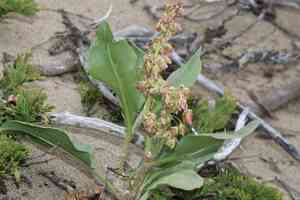
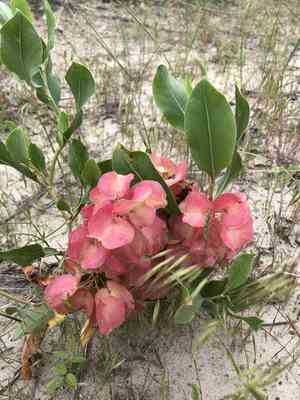
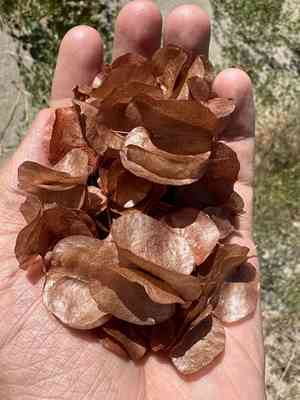
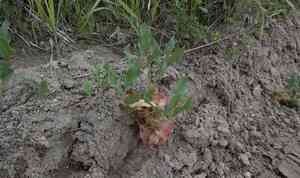
Quickly Identify Veiny dock
1
Rumex venosus can be identified by its oblong to oval leaves, which are deeply veined and have a reddish tint. The flowers are small, greenish to pinkish, and grow in clusters. The plant typically grows in sandy or rocky soils.
Scientific Classification of Veiny dock
Phylum
Vascular plants
Class
Dicotyledons
Order
Caryophyllales
Family
Buckwheat
Genus
Docks
Species
Veiny dock
Planting and Growing of Veiny dock
Care Difficulty
Easy
Watering Schedule
Every 2 days
Sunlight Requirements
Full sun
Sunshine Duration
6-10 hours
Ideal Temperature
59-77℉
Soil Type
Potting Mix, Peat Mix
Soil pH
6.5-7.5
Fertilizer Type
Balanced
Pruning Season
Spring, Summer
Pruning Area
Branches, Leaves
Pruning Frequency
2 times a year
Repotting Season
Spring
Pot Type
Plastic, Ceramic
 How to Water Veiny dock?
For Rumex venosus, ensure to provide 250ml of water per session. The goal is to moisten the soil thoroughly but avoid creating a waterlogged environment that can be detrimental to root health.
What are the symptoms of an underwatered Veiny dock?
›
What should I do if my Veiny dock is not getting enough water?
›
What are the symptoms of an overwatered Veiny dock?
›
How to save an overwatered Veiny dock?
›
 What Are the Sunlight Requirements for Veiny dock?
Rumex venosus benefits from full to partial sun, ideally receiving around 4 to 6 hours of sunlight. This exposure promotes strong, healthy growth and prevents physical stress.
What is the best lighting condition for Rumex venosus?
›
How can I ensure Rumex venosus gets ideal lighting?
›
What are the benefits of providing ideal light to Rumex venosus?
›
 What Is the Ideal Temperature Range for Veiny dock?
The ideal temperature range for growing Rumex venosus is between 59°F and 77°F. This range ensures optimal growth and health for the plant, providing it with a stable environment that mimics its natural habitat. Maintaining temperatures within this range promotes better physiological processes, including photosynthesis, nutrient uptake, and flowering, thereby leading to more robust and resilient plants.
 What Soil is Best for Veiny dock?
Rumex venosus thrives best in well-drained soil, which prevents root rot and other water-related issues. The loose texture of sandy soil ensures that excess moisture drains away, helping the roots to access oxygen and promoting healthy growth. While this plant can survive in poor soils, it benefits from a nutrient-rich environment. Loam is a perfect choice, providing an ideal balance of minerals and nutrients that support vigorous growth and vibrant foliage. Sandy loam offers moderate moisture retention, which is essential for consistent hydration without waterlogging. This aids in maintaining a steady water supply for Rumex venosus, especially during dry spells.
 How to Fertilize Veiny dock?
For Rumex venosus, a balanced approach to fertilization is key. Liquid fertilizers should be diluted to half the recommended strength to prevent root burn, while solid fertilizers should be applied sparingly, following package instructions to prevent over-fertilization.
 How to Prune Veiny dock?
Begin by removing any dead or dying leaves, cutting them close to the base of the plant. Trim back any long or unruly stems to maintain the desired shape. Ensure you trim back to a healthy pair of leaves to encourage future growth. Avoid pruning more than a third of the plant at a time to prevent shock. After pruning Rumex venosus, water the plant thoroughly to help it recover. Keep the plant in a well-lit area but avoid direct sunlight immediately post-pruning, as the fresh cuts can be sensitive to intense light.
More About Pruning Techniques→
 How to Propagate Veiny dock plant?
1
Begin by collecting seeds from mature Rumex venosus plants during the late flowering season. Dry the seeds thoroughly before storing them in a cool, dark place until early spring when they can be sown.
2
In early spring, dig up a healthy, mature Rumex venosus plant. Use a clean, sharp knife or trowel to divide the root ball into smaller sections, ensuring each new section has viable roots and shoots for successful growth.
3
Fill a seed tray with a sterile seed-starting mix. Sprinkle Rumex venosus seeds lightly on the surface and cover them with a thin layer of soil. Water gently to avoid washing away seeds, then place the tray in a warm, bright location.
 How to Repot Veiny dock plant?
1
You'll know it's time to repot Rumex venosus when roots are poking through the drainage holes or when the plant appears stunted, indicating it's outgrown its pot. Alternatively, if water is sitting on top of the soil and not draining, it may be time to refresh the soil mix.
2
Select a pot that is one size larger than the current pot, allowing some room for root growth. Ensure it has adequate drainage holes to prevent water logging, which can lead to root rot. A slightly larger pot also helps maintain the plant's stability as it grows.
3
Opt for a sandy, well-draining mix to mimic Rumex venosus's natural habitat. This type of soil prevents excess moisture retention, reducing the chance of root rot and ensuring adequate aeration for healthy root development.
Learn More About Veiny dock Diseases
Anthracnose
Bacterial Leaf Spot
Bacterial Soft Rot
Chemical Injury
Damping-off
Downy Mildew
Drought Stress
Fusarium Wilt
Gray Mold
Leaf Spot
Mosaic
Nutrient Deficiency
Nutrient Toxicity
Powdery Mildew
Root Rot
Root-knot Nematode
Rusts
Sooty Mold
Spider Mites
Temperature Stress
Thrips Damage
White Mold



