
European dewberry (Rubus caesius)
Also known as: Common Dewberry
The European dewberry (Rubus caesius) is a flowering plant indigenous to large areas of Eurasia. Belonging to the rose family, it is closely related to the blackberry. This plant is known for its small white flowers that develop into bluish-gray edible berries. Notably, the European dewberry can cross-pollinate with raspberries, resulting in unique hybrid varieties.
In This Article
Attributes of European dewberry
Lifespan
Perennial
Plant Type
Shrub
Plant Height
2 m
Spread
60 cm
Leaf Color
Green Yellow
Flower Size
2.5 cm
Flower Color
White
Images of European dewberry
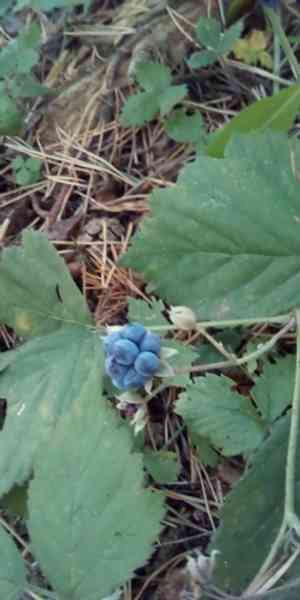
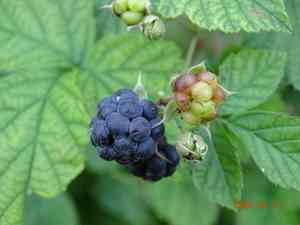
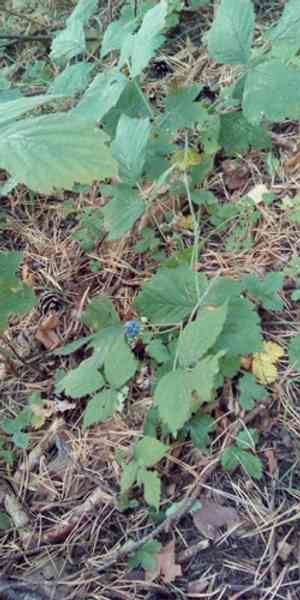
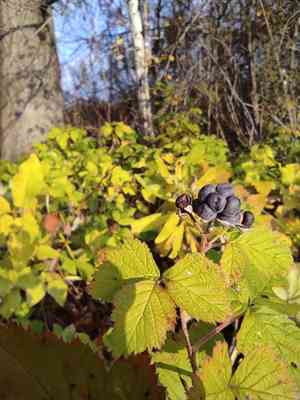
Quickly Identify European dewberry
1
Rubus caesius can be identified by its blue-black fruits covered in a glaucous bloom, its thorny stems, and its trifoliate leaves. The plant is typically found in hedgerows, woodland edges, and riverbanks.
Scientific Classification of European dewberry
Phylum
Vascular plants
Class
Dicotyledons
Order
Rosales
Family
Rose
Genus
Brambles
Species
European dewberry
Planting and Growing of European dewberry
Care Difficulty
Easy
Watering Schedule
Every 3 days
Sunlight Requirements
Partial sun
Sunshine Duration
4-8 hours
Ideal Temperature
60-75℉
Soil Type
Potting Mix, Peat Mix
Soil pH
6.5-7.5
Fertilizer Type
Balanced
Pruning Season
Spring, Summer
Pruning Area
Branches, Leaves
Pruning Frequency
2 times a year
Repotting Season
Spring
Pot Type
Plastic, Ceramic
 How to Water European dewberry?
For Rubus caesius, it's important to water until the soil feels evenly moist, approximately 500 ml depending on soil and pot size. Avoid leaving the plant in standing water to prevent root rot.
More About Watering Techniques→
What are the symptoms of an underwatered European dewberry?
›
What should I do if my European dewberry is not getting enough water?
›
What are the symptoms of an overwatered European dewberry?
›
How to save an overwatered European dewberry?
›
 What Are the Sunlight Requirements for European dewberry?
Rubus caesius prefers conditions ranging from partial to full sun, indicating that it performs best with at least 4 hours of sunlight daily. Ideal light exposure aids in photosynthesis, promoting a vigorous growth cycle.
More About Sunlight Requirements Techniques→
Ideal Daily Light Requirements
›
Solutions for Ideal Light Conditions
›
Benefits of Optimal Lighting
›
 What Is the Ideal Temperature Range for European dewberry?
The ideal temperature range for Rubus caesius, commonly known as European dewberry, is between 60°F and 75°F. This range ensures optimal plant growth, allowing it to photosynthesize efficiently and sustain a healthy growth rate. The plants thrive in temperate climates and locations where these conditions can be maintained consistently.
 What Soil is Best for European dewberry?
Rubus caesius requires well-draining soil to prevent root rot. Good drainage ensures that water doesn't accumulate, keeping the roots healthy and promoting vigorous growth. A nutrient-rich soil enhances the growth and fruit production of Rubus caesius. This plant thrives when provided with a soil rich in organic matter, which aids in the development of lush foliage and plentiful fruit yields. This plant benefits from soil that retains moderate moisture. It ensures that the plant remains hydrated during dry spells while avoiding the negative effects of waterlogging.
More About Soil→
 How to Fertilize European dewberry?
For Rubus caesius, it's important to not overwhelm the roots, so a moderate amount of both liquid and solid fertilizers should be used. Typically, liquid fertilizers can be applied at a dilution rate of 1/2 the recommended strength for houseplants, ensuring nutrient absorption without the risk of burning the roots.
More About Fertilizing Techniques→
 How to Prune European dewberry?
Begin by identifying any dead or diseased wood. These can be recognized by their brittle, dry appearance. Removing these parts will help prevent the spread of disease and allow the plant to focus energy on healthy growth. Look for areas where branches are growing too close to each other. Thin these areas to allow more air circulation and light penetration, reducing the likelihood of fungal infections and encouraging better fruit set. Prune the plant to maintain a desirable shape and size. Focus on removing branches that are growing inwards or crossing each other, as these can cause wounds and inhibit fruit production.
More About Pruning Techniques→
 How to Propagate European dewberry plant?
1
Select healthy shoots that are semi-hardwood for cutting propagation. Use sterilized pruners to cut 6-8 inches long sections just below a node. Remove leaves from the lower half to reduce moisture loss.
2
Rubus caesius seeds require cold stratification before sowing. Place seeds in a damp paper towel, put them in a plastic bag, and store them in the refrigerator for 3-4 weeks to break dormancy.
3
Choose a flexible branch and bend it to the ground. Make a small wound on the underside and cover with soil to encourage root growth. Secure it with a U-shaped pin until roots establish.
 How to Repot European dewberry plant?
1
Rubus caesius signals the need for repotting when you notice roots emerging from the drainage holes or the plant becoming root-bound. It's crucial to choose a season when the plant is not under stress, making early spring or autumn ideal. During these periods, the plant can recover quickly in mild weather conditions.
2
Select a pot that is 2-3 inches larger in diameter than the current one, with ample drainage holes. This size ensures room for root growth while preventing waterlogging, which this plant is particularly sensitive to. Material-wise, a breathable option like terracotta can help regulate soil moisture levels.
3
A well-draining loamy soil is perfect for Rubus caesius as it mirrors the plant's natural habitat. It's well-aerated yet retains moisture, providing essential nutrients without risk of root rot. This creates an optimal growing environment, promoting healthy growth and establishing strong roots.



