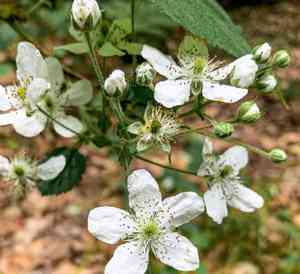
Sawtooth blackberry (Rubus argutus)
Also known as: Highbush blackberry
The Sawtooth blackberry (Rubus argutus) is a perennial shrub native to the United States, known for its thorny stems and delicious blackberries. This plant is part of the rose family and produces berries that are enjoyed fresh or used in various culinary applications like jams and desserts. Additionally, its leaves are sometimes brewed to make blackberry tea.
In This Article
Attributes of Sawtooth blackberry
Lifespan
Perennial
Plant Type
Shrub
Plant Height
2 m
Spread
90 cm to 1.5 m
Leaf Color
Green
Flower Size
8 mm to 2 cm
Flower Color
White
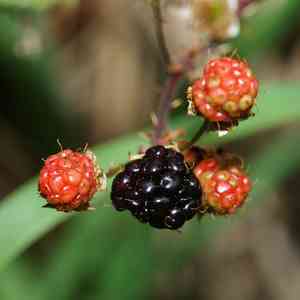
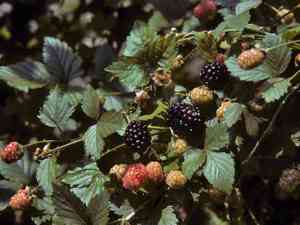
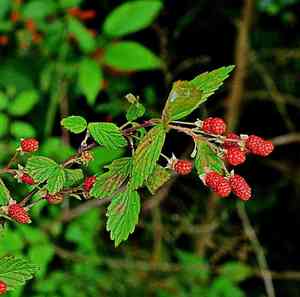
Images of Sawtooth blackberry
Quickly Identify Sawtooth blackberry
1
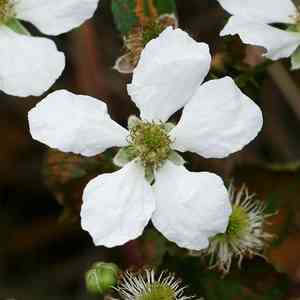
Rubus argutus can be identified by its arching stems covered in stout prickles, compound leaves with serrated edges, white to pinkish flowers, and black aggregate fruit.
Scientific Classification of Sawtooth blackberry
Phylum
Vascular plants
Class
Dicotyledons
Order
Rosales
Family
Rose
Genus
Brambles
Species
Sawtooth blackberry
Planting and Growing of Sawtooth blackberry
Care Difficulty
Easy
Watering Schedule
Every 2 days
Sunlight Requirements
Full sun
Sunshine Duration
4-10 hours
Ideal Temperature
60-75℉
Soil Type
Potting Mix, Peat Mix
Soil pH
6.5-7.5
Fertilizer Type
Balanced
Pruning Season
Spring, Summer
Pruning Area
Branches, Leaves
Pruning Frequency
2 times a year
Repotting Season
Spring
Pot Type
Plastic, Ceramic
 How to Water Sawtooth blackberry?
Rubus argutus thrives best when watered approximately 500 milliliters per session. This amount generally ensures the root zone is adequately moist without causing waterlogging. It’s best to aim for soil that feels damp to the touch down to a depth of about an inch, but not soaking. Always allow the top layer of soil to dry out between waterings to prevent root rot.
More About Watering Techniques→
What are the symptoms of an underwatered Sawtooth blackberry?
›
What should I do if my Sawtooth blackberry is not getting enough water?
›
What are the symptoms of an overwatered Sawtooth blackberry?
›
How to save an overwatered Sawtooth blackberry?
›
 What Are the Sunlight Requirements for Sawtooth blackberry?
Rubus argutus prefers a mix of full sun to partial shade. Ideal light exposure enhances photosynthesis, increases fruit production, and maintains overall plant health and vigor.
More About Sunlight Requirements Techniques→
Best Time of Day for Sunlight
›
Optimal Sunlight Intensity
›
Solution for Ideal Sun Exposure
›
 What Is the Ideal Temperature Range for Sawtooth blackberry?
The ideal temperature range of 60°F to 75°F is where Rubus argutus can thrive. In this range, the plant is able to efficiently perform physiological processes such as photosynthesis, nutrient absorption, and growth. Deviating from this range may stress the plant and inhibit its optimal growth. These mid-range temperatures are conducive to both leaf and root development, providing the plant with the right conditions to flourish.
 What Soil is Best for Sawtooth blackberry?
Rubus argutus thrives best in well-drained soils which prevent waterlogging and root rot. Well-drained soils allow for adequate air circulation an essential component for healthy root development and plant growth. This plant flourishes in nutrient-rich soil, which supports its vigorous growth and fruit production. High organic matter content ensures essential nutrients are available to the plant for optimum health and productivity. While good drainage is essential, maintaining moderate moisture levels ensures Rubus argutus doesn't experience drought stress. Consistent soil moisture supports stable plant growth and increases resilience against environmental stressors.
More About Soil→
 How to Fertilize Sawtooth blackberry?
Rubus argutus, commonly known as the sawtooth blackberry, benefits from a balanced fertilization approach. For liquid fertilizers, apply about 1-2 tablespoons per gallon of water, ensuring even distribution across the soil surface. For slow-release granular fertilizer, apply about 1/4 cup per plant spread evenly around the base, being careful not to touch the stems to avoid burning.
More About Fertilizing Techniques→
 How to Prune Sawtooth blackberry?
Ensure your pruning shears are sharp and clean to make precise cuts while minimizing damage to the plant. Sanitize your tools before and after pruning to prevent the spread of disease. Make cuts at a 45-degree angle just above a bud or node. This encourages water runoff, preventing rot and promoting healthy growth from the remaining buds. Distinguish between old and new canes to know which ones to prune. Old canes that have already fruited should be cut back to ground level, while vigorous new canes can be trimmed to your desired height.
More About Pruning Techniques→
 How to Propagate Sawtooth blackberry plant?
1
Choose healthy, disease-free stems approximately 4-6 inches long for cuttings. Ensure each cutting has a few nodes to increase the likelihood of successful rooting.
2
Prepare a well-draining soil mix using equal parts perlite and peat moss. The mix should be moist but not waterlogged, providing optimal conditions for root growth.
3
Dip the cut end of each stem in rooting hormone, then plant them in the prepared soil mix. Firm the soil around the base to ensure good contact and stability.
 How to Repot Sawtooth blackberry plant?
1
Repot your Rubus argutus when you notice roots circling the container or coming out of the drainage holes. Spring or autumn is ideal as the plant will be less stressed. New soil helps replenish nutrients and gives space for root growth.
2
Select a pot that is 2-3 inches larger than the current one, with ample drainage. The material should be sturdy for outdoor or heavy use. A slightly larger pot allows room for root expansion without overwhelming them with excess soil.
3
Opt for well-draining, nutrient-rich soil. A mix with organic matter benefits to hold moisture while preventing waterlogging, supporting the plant’s vigorous growth and preventing root rot.
Learn More About Sawtooth blackberry Diseases
Anthracnose
Bacterial Leaf Spot
Black Spot
Crown Gall
Damping-off
Downy Mildew
Drought Stress
Gray Mold
Leaf Curl
Leaf Spot
Mosaic
Nutrient Deficiency
Nutrient Toxicity
Powdery Mildew
Root Rot
Root-knot Nematode
Rusts
Sooty Mold
Spider Mites
Temperature Stress
Thrips Damage
White Mold
Chemical Injury



