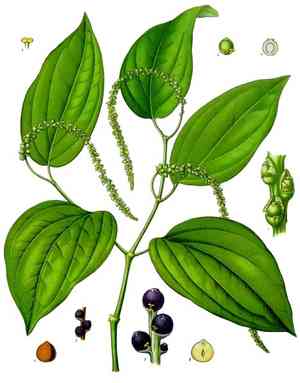
Black pepper (Piper nigrum)
Also known as: Pepper
Black pepper, derived from the fruit of a climbing vine, is a widely used spice and condiment. It holds the title of the most traded spice globally and is a staple in many culinary traditions. Notably, black peppercorns were found in the nostrils of Ramesses II during his mummification process.
In This Article
Attributes of Black pepper
Lifespan
Perennial
Plant Type
Vine
Plant Height
3 m to 4.5 m
Spread
1 m
Leaf Color
Green
Flower Size
3 cm to 10 cm
Flower Color
Yellow Green White
Images of Black pepper
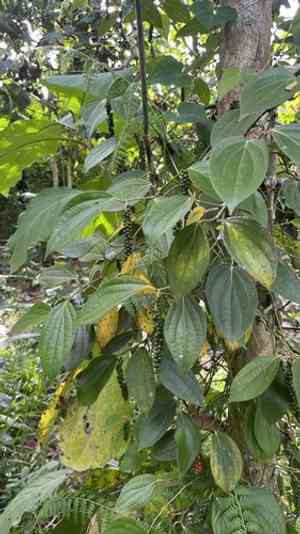
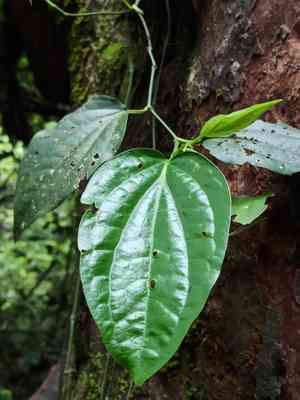
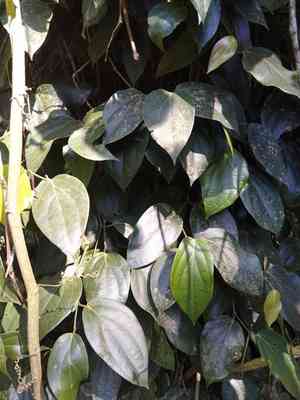
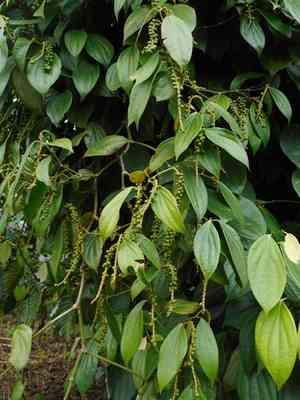
Quickly Identify Black pepper
1
Piper nigrum can be identified by its heart-shaped leaves, small white flowers, and clusters of round, dark-colored peppercorns.
Scientific Classification of Black pepper
Phylum
Vascular plants
Class
Dicotyledons
Order
Piperales
Family
Pepper
Genus
Pepper plants
Species
Black pepper
Planting and Growing of Black pepper
Care Difficulty
Hard
Watering Schedule
Every 8 days
Sunlight Requirements
Partial sun
Sunshine Duration
4-8 hours
Ideal Temperature
75-85℉
Soil Type
Potting Mix, Peat Mix
Soil pH
6.5-7.5
Fertilizer Type
Balanced
Pruning Season
Spring, Summer
Pruning Area
Branches, Leaves
Pruning Frequency
2 times a year
Repotting Season
Spring
Pot Type
Plastic, Ceramic
 How to Water Black pepper?
Piper nigrum, commonly known as black pepper, requires watering in a way that ensures the soil remains consistently moist but not waterlogged. Aim to water until the top few inches of soil have absorbed moisture and excess water drains from the bottom of the pot. This typically equates to about 500 milliliters per session, but adjustments may be needed based on the plant's size and environmental conditions.
More About Watering Techniques→
What are the symptoms of an underwatered Black pepper?
›
What should I do if my Black pepper is not getting enough water?
›
What are the symptoms of an overwatered Black pepper?
›
How to save an overwatered Black pepper?
›
 What Are the Sunlight Requirements for Black pepper?
Partial sun conditions are ideal, where Piper nigrum benefits from increased photosynthesis, leading to lush growth and enhanced aromatic qualities.
More About Sunlight Requirements Techniques→
What type of light is best for Piper nigrum?
›
How can you ensure ideal light levels?
›
What are the benefits of achieving ideal lighting for Piper nigrum?
›
 What Is the Ideal Temperature Range for Black pepper?
For the optimal growth of Piper nigrum, maintaining an ambient temperature range of 75°F to 85°F is crucial. This temperature range mimics the natural warm and humid conditions found in its native tropical environments. Ensuring consistent temperatures within this range will support robust plant health, growth, and peppercorn production.
 What Soil is Best for Black pepper?
For thriving Piper nigrum plants, having a well-draining soil is crucial. It helps prevent waterlogging, which can cause root rot and other fungal diseases. Thus, loam or sandy loam soils work best as they sustain moisture while allowing excess water to escape easily. Pepper plants require nutrient-rich soil to support their growth. Regular addition of organic matter, such as compost, can enrich the soil, providing essential nutrients and enhancing the soil's structure, leading to healthier and more productive plants. Moist, but not waterlogged, soil is key for Piper nigrum. Consistency in watering helps maintain optimal soil moisture levels, essential for developing robust root systems. Inconsistent watering can stress the plant, reducing both growth and yield.
More About Soil→
 How to Fertilize Black pepper?
For Piper nigrum, it is crucial to provide balanced nutrition. Apply liquid fertilizer at a rate of half the recommended strength, ensuring that the soil remains neither too dry nor too saturated. Use approximately 1 liter of diluted solution per plant per application.
More About Fertilizing Techniques→
 How to Prune Black pepper?
Start by inspecting the plant thoroughly for any dead or damaged branches. Cut these back to the main stem or a healthy side branch. Next, assess the plant's structure and remove any crossing branches to prevent rubbing. Finally, trim back long shoots to maintain the desired shape and encourage denser growth.
More About Pruning Techniques→
 How to Propagate Black pepper plant?
1
Choose a healthy parent plant with robust growth. Ensure the plant is well-watered and not under any stress, as this will provide the best material for successful propagation.
2
Cut 4-6 inch healthy stems using sterilized shears. Ensure each cutting has at least two nodes. Remove the leaves from the lower half to prevent rot when planted. Apply rooting hormone to the cut end.
3
Insert the prepared cuttings into a potting mix that is light and well-draining. Ensure the cut ends are buried deep enough to support the cutting, and water them lightly after planting.
 How to Repot Black pepper plant?
1
Piper nigrum should be repotted when you see roots coming out of the drainage holes. This indicates the plant has outgrown its current pot. Also, if the growth has slowed down despite proper care, consider repotting it to refresh the soil nutrients. Spring and early summer are ideal times to undertake this process.
2
Select a pot that is 2-3 inches larger in diameter than the current one. Ensure it has good drainage to prevent waterlogging, which Piper nigrum is sensitive to. The right pot size ensures enough room for root development and supports the plant’s vertical growth.
3
Opt for a well-draining, nutrient-rich soil mix, ideally containing peat, perlite, and organic matter. This mix provides excellent aeration and retains necessary moisture without waterlogging, fundamental for Piper nigrum's healthy root system development.
Toxicity
ingestion
WARNING
The judgment on toxicity and danger is for reference only. We DO NOT GUARANTEE any accuracy of such judgment. Therefore, you SHALL NOT rely on such judgment. It is IMPORTANT TO SEEK PROFESSIONAL ADVICE in advance when necessary.
Learn More About Black pepper Diseases
Anthracnose
Bacterial Leaf Spot
Bacterial Soft Rot
Bacterial Wilt
Black Spot
Chemical Injury
Damping-off
Downy Mildew
Drought Stress
Fusarium Wilt
Gray Mold
Leaf Curl
Leaf Spot
Mosaic
Nutrient Deficiency
Nutrient Toxicity
Powdery Mildew
Root Rot
Root-knot Nematode
Sooty Mold
Spider Mites
Temperature Stress
Thrips Damage
White Mold



