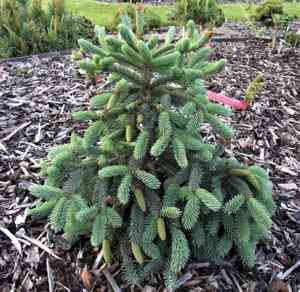
Alaska spruce, Slack spruce, Firm spruce(Picea laxa)

Alaska spruce, Slack spruce, Firm spruce (Picea laxa)

Also known as: Alaska spruce, Slack spruce, Firm spruce

The White Spruce, also known by its botanical name, Picea glauca, originates from the cool, moist climates of the northern temperate and boreal forests in North America. Its range extends from central Alaska in the far west, through the western and central regions of Canada, right up to the Avalon Peninsula in Newfoundland. This species can also be found in certain areas in the U.S. such as Montana, North Dakota, Minnesota, Wisconsin, Michigan, Upstate New York and Vermont, including the mountaineous and immediate coastal regions of New Hampshire and Maine. There's also a remarkably isolated population in the Black Hills region, stretching between South Dakota and Wyoming. Apart from White Spruce, it goes by the names of Canadian Spruce, Skunk Spruce, Cat Spruce, Black Hills Spruce, Western White Spruce, Alberta White Spruce, and Porsild Spruce.

Attributes of Alaska spruce, Slack spruce, Firm spruce
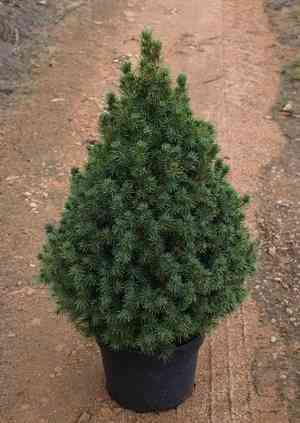
Lifespan
Picea laxa's typical growth cycle

ForwardPlant - Identify plants with a snap

Identify and diagnose plants, get toxicity alerts, and explore safety guides for all types of fungi.

Try for Free

Images of Alaska spruce, Slack spruce, Firm spruce
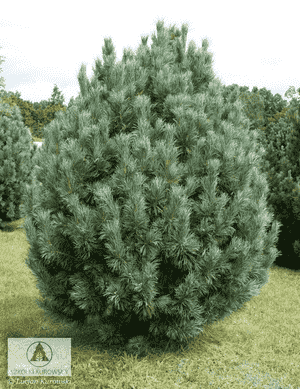
Alaska spruce, Slack spruce, Firm spruce(Picea laxa)

Scientific Classification of Alaska spruce, Slack spruce, Firm spruce

Phylum
Tracheophyta
Class
Pinopsida
Order
Pinales
Family
Pinaceae
Genus
Picea
Species
P. glauca

Planting and Growing of Alaska spruce, Slack spruce, Firm spruce

Watering Schedule
Every 2 days
Sunlight Requirements
Partial sun
Sunshine Duration
4-8 hours
Ideal Temperature
50-77℉
Soil Type
Potting Mix, Peat Mix
Soil pH
6.5-7.5
Fertilizer Type
Balanced
Pruning Season
Spring, Summer
Pruning Area
Branches, Leaves
Pruning Frequency
2 times a year
Repotting Season
Spring
Pot Type
Plastic, Ceramic

water icon How to Water Alaska spruce, Slack spruce, Firm spruce?

For Picea laxa, water generously but not excessively. Ensure the soil is moist by providing around 500 ml of water each time. This should be enough to soak into the roots without leaving the soil waterlogged.
What are the symptoms of an underwatered Alaska spruce, Slack spruce, Firm spruce?
What should I do if my Alaska spruce, Slack spruce, Firm spruce is not getting enough water?
What are the symptoms of an overwatered Alaska spruce, Slack spruce, Firm spruce?
How to save an overwatered Alaska spruce, Slack spruce, Firm spruce?

sunlight icon What Are the Sunlight Requirements for Alaska spruce, Slack spruce, Firm spruce?

Sunlight Requirements: Partial sun
Duration of light: 3-6 hours of sunlight
Partial sun exposure ensures Picea laxa thrives, balancing enough light for photosynthesis with sufficient shade to prevent leaf damage, optimizing growth and health.
What type of light does Picea laxa prefer?
How to achieve ideal lighting for Picea laxa?
What benefits does ideal lighting offer Picea laxa?

temperature icon What Is the Ideal Temperature Range for Alaska spruce, Slack spruce, Firm spruce?

Ideal Temperature: 50 ~ 77℉
For optimal growth, Picea laxa thrives best in temperatures ranging from 50°F to 77°F. This range allows for sufficient metabolic activity without stressing the plant. These temperatures generally mimic the natural condition this species would experience in its native habitat.

soil icon What Soil is Best for Alaska spruce, Slack spruce, Firm spruce?

Soil type: Loam, Sandy loam
Soil PH: 6.5 ~ 7.5
Picea laxa thrives in soils that retain moisture well. Loamy and sandy loam soils provide the perfect balance for water retention, ensuring the roots stay hydrated without the risk of being waterlogged. This is crucial for the plant's photosynthesis and growth processes. It is important for the soil to be rich in nutrients, as Picea laxa requires a steady supply of vitamins and minerals for optimal growth. Loamy soil, in particular, offers a rich bed of organic matter that nourishes the plant significantly, leading to more robust and healthy development. The plant's roots benefit from well-aerated soil which allows for easier absorption of nutrients and water. Sandy loam, with its mixture of sand and smaller particles of clay and silt, provides excellent aeration, supporting a vigorous root system that enhances the plant's stability and nutrient uptake.

fertilize icon How to Fertilize Alaska spruce, Slack spruce, Firm spruce?

Fertilizer type: Balanced
Picea laxa, or the white spruce, typically requires a balanced fertilizer. It's best to apply a granular slow-release formula around its drip line, using about half a cup per plant. For liquid fertilizers, a dilution of one tablespoon per gallon of water applied monthly during its growth phase should suffice. Too much fertilizer can be detrimental, so prudence is essential.

prune icon How to Prune Alaska spruce, Slack spruce, Firm spruce?

Pruning Time: Spring, Summer
Start by inspecting your Picea laxa for any dead, damaged, or diseased branches. Use a pair of sharp pruning shears to remove these branches first. Next, thin the tree by removing branches that are crowding each other, which improves air circulation and sunlight penetration. Finally, trim the tree’s shape by cutting back to lateral branches, maintaining a natural conical shape typical of spruce trees.

propagate icon How to Propagate Alaska spruce, Slack spruce, Firm spruce plant?

Propagate Time: Spring, Late spring
1
Choose a well-draining soil mix, preferably a combination of peat, perlite, and sand. Ensure the soil is light and facilitates good air circulation, which is crucial for seed germination and rooting in cuttings.
2
Sow the seeds on the surface of the soil and lightly cover them with a fine layer of sand or vermiculite. Maintain consistent watering to keep the soil moist but not waterlogged, which helps seeds to sprout effectively.
3
Cut healthy shoots from the parent plant, ideally 10-15cm long. Dip the cut ends into rooting hormone powder before planting them into the soil. Ensure the cuttings are firm in the soil and mist them lightly.

repot icon How to Repot Alaska spruce, Slack spruce, Firm spruce plant?

Repotting frequency: Every 2-3 years
1
Picea laxa signals its need for repotting when you notice that the roots begin to circle around the edge of the pot or emerge from the drainage holes. Another strong indicator is when the plant appears root-bound, disrupting water retention. Ideally, aim to repot in early spring or late summer, aligning with the plant’s active growth periods.
2
Select a pot that offers good drainage, ideally with several holes at the bottom. It should be 1 to 2 inches larger in diameter than the current pot to allow room for growth. Using a slightly larger pot prevents waterlogging, reducing the risk of root rot and encouraging robust root development without excessive moisture retention.
3
Opt for a well-draining soil mix with components like peat, sand, or perlite to enhance aeration. A high-quality conifer mix can provide the necessary nutrients and prevent water stagnation, which can harm the sensitive roots of Picea laxa. Proper soil structure is vital for maintaining moisture balance and supporting vibrant growth.

ForwardPlant - Identify plants with a snap

Find the best spots for them to optimize their health, simply using your phone.

Try for Free
