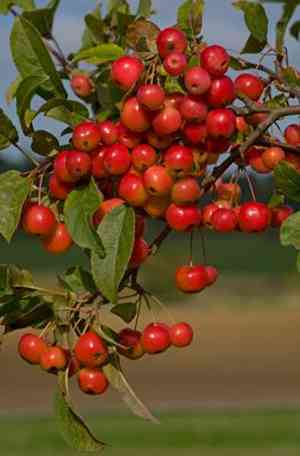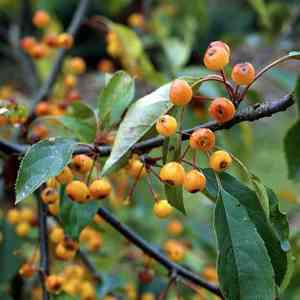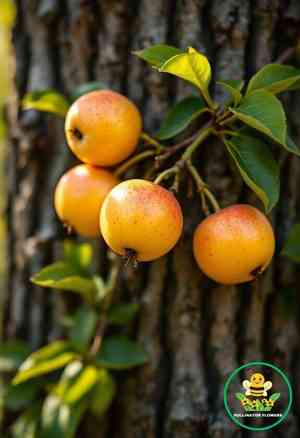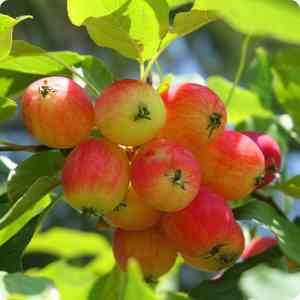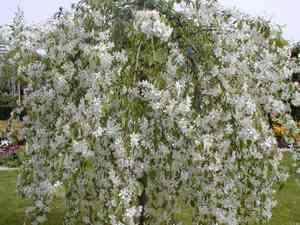
Siberian crab apple(Malus baccata)

Siberian crab apple (Malus baccata)

Also known as: Manchurian crab apple

The Japanese black pine (Pinus thunbergii) is a notable tree species native to Asia, specifically Japan, Korea, and China. While it typically grows into a large tree, it is also highly valued in the art of bonsai. Additionally, this versatile tree serves as rootstock for grafting other pine species, making it a multifaceted plant in horticulture.

Attributes of Siberian crab apple

Lifespan
Perennial
Plant Type
Tree
Plant Height
10 m to 14 m
Spread
15 m
Leaf Color
Green
Flower Size
3 cm to 3.5 cm
Flower Color
White Pink

ForwardPlant - Identify plants with a snap

Identify and diagnose plants, get toxicity alerts, and explore safety guides for all types of fungi.

Try for Free

Images of Siberian crab apple

Siberian crab apple(Malus baccata)

Quickly Identify Siberian crab apple

1
Malus baccata can be identified by its small, round fruit, which are about 1 cm in diameter. The leaves are ovate and serrated, and the tree blooms with white or pale pink flowers in spring.

Scientific Classification of Siberian crab apple

Phylum
Vascular plants
Class
Dicotyledons
Order
Roses, elms, figs, and allies
Family
Rose
Genus
Malus
Species
Siberian crab apple

Planting and Growing of Siberian crab apple

Care Difficulty
Easy
Watering Schedule
Every 4 days
Sunlight Requirements
Full sun
Sunshine Duration
6-10 hours
Ideal Temperature
60-75℉
Soil Type
Potting Mix, Peat Mix
Soil pH
5.5-7.5
Fertilizer Type
Balanced
Pruning Season
Spring, Summer
Pruning Area
Branches, Leaves
Pruning Frequency
2 times a year
Repotting Season
Spring
Pot Type
Plastic, Ceramic

water icon How to Water Siberian crab apple?

For Malus baccata, ensure that you give it around 700 milliliters of water per watering session. This amount should thoroughly moisten the soil around the roots without causing waterlogging. The key principle is to let the top inch of soil dry out between waterings to prevent root rot while ensuring adequate hydration.
What are the symptoms of an underwatered Siberian crab apple?
What should I do if my Siberian crab apple is not getting enough water?
What are the symptoms of an overwatered Siberian crab apple?
How to save an overwatered Siberian crab apple?
More About Watering Techniques

sunlight icon What Are the Sunlight Requirements for Siberian crab apple?

Sunlight Requirements: Full sun, Partial sun
Duration of light: 6 to 8 hours
Malus baccata prefers full sun exposure for most of the day, which is essential for robust growth, increased flowering, and optimal fruiting conditions.
How much sunlight does Malus baccata need?
How to ensure Malus baccata gets optimal sunlight?
Benefits of optimal sunlight for Malus baccata?
More About Sunlight Requirements Techniques

temperature icon What Is the Ideal Temperature Range for Siberian crab apple?

Ideal Temperature: 60 ~ 75℉
The ideal temperature range for Malus baccata, commonly known as Siberian crabapple, is between 60 to 75 degrees Fahrenheit. This range provides the perfect balance of warmth and coolness that supports robust growth and fruiting. Maintaining this temperature range helps ensure optimal photosynthesis, respiration, and overall plant health, allowing for the development of lush foliage and abundant fruit. By sustaining temperatures within these limits, gardeners can maximize the health and productivity of Malus baccata.

soil icon What Soil is Best for Siberian crab apple?

Soil type: Loam, Sandy loam, Acidic soil
Soil PH: 5.5 ~ 7.5
Malus baccata thrives best in nutrient-rich soil which provides essential macro and micronutrients. This boosts its growth, enhancing its fruit-bearing capacity, and ensures robust health by supporting vital physiological processes. It is important for Malus baccata to be planted in soil that drains well to prevent root rot. Proper drainage allows for adequate oxygen circulation, keeping the roots healthy and preventing water-related stress. A soil pH ranging from 5.5 to 7.5 is ideal for Malus baccata, promoting optimal nutrient uptake. This natural range allows the plant to absorb necessary minerals efficiently, supporting its growth and productivity. More About Soil

fertilize icon How to Fertilize Siberian crab apple?

Fertilizer type: Balanced
When fertilizing Malus baccata, use a balanced 10-10-10 fertilizer. Apply 1 pound per inch of trunk diameter. Ensure even distribution to avoid over-application, which can lead to salt accumulation in the soil. More About Fertilizing Techniques

prune icon How to Prune Siberian crab apple?

Pruning Time: Winter
Begin by removing any dead, damaged, or diseased branches to maintain tree health. Focus on cutting back branches that cross or congest the structure. Shape the tree to balance sun exposure and air circulation. Make cuts at a 45-degree angle just above the bud or branch junction to encourage proper healing and new growth. More About Pruning Techniques

propagate icon How to Propagate Siberian crab apple plant?

Propagate Time: Spring, Early spring
1
First, fill the seed trays with a good quality seed compost. Scatter the seeds evenly across the surface and lightly press them into the soil. Water gently and cover with a clear cover to keep the moisture in.
2
Select healthy rootstocks and trim them to the desired height. Use a grafting knife to make a clean cut at the top where the scion will be attached.
3
Choose a scion from a Malus baccata tree with desirable traits. Make a cut at the bottom end to match the rootstock. Secure it using grafting tape or rubber bands to ensure contact between the cambium layers.
More About Propagating Techniques

repot icon How to Repot Siberian crab apple plant?

Repotting frequency: Every 2-3 years
1
Malus baccata needs repotting when roots start circling the pot's perimeter or growing out of drainage holes. Spring or early autumn are ideal for repotting. Warmer temperatures and moisture levels support healthy root development, reducing transplant shock.
2
Select a pot only one size larger than the current one, with adequate drainage holes. This helps roots expand gradually, preventing excessive water retention, which can lead to root rot. A non-glazed ceramic or breathable pot is ideal.
3
Opt for loamy soil rich in organic matter with excellent drainage. This promotes healthy root growth, ensuring that the soil retains adequate moisture without becoming waterlogged, providing the roots with necessary air circulation.

ForwardPlant - Identify plants with a snap

Find the best spots for them to optimize their health, simply using your phone.

Try for Free

Toxicity of Siberian crab apple

Is Siberian crab apple toxic to cat?

The Siberian crab apple possesses a low level of toxicity to cats. If felines consume a significant amount of the seeds, they risk poisoning. Although the exact toxic compounds are not specified, the likelihood of toxicity increases with the quantity ingested, emphasizing the need to safeguard cats from accessing large amounts of seeds. Should a cat consume the seeds of the Siberian crab apple, it may display symptoms of discomfort or illness, which necessitates prompt veterinary care. Cat owners must remain alert and create a secure environment by keeping Siberian crab apples out of their pets' reach, and seek immediate veterinary assistance if poisoning is suspected.

Is Siberian crab apple toxic to dog?

The Siberian crab apple plant species poses a moderate toxicity risk to dogs. Canines may experience poisoning from this plant if they ingest large amounts, especially the seeds, which are the toxic components. If a dog consumes a considerable quantity of these seeds, it may show symptoms suggestive of poisoning. Dog owners should remain alert for signs such as vomiting, diarrhea, abdominal discomfort, or lethargy. Should a dog exhibit any of these symptoms following the consumption of Siberian crab apple, it is crucial to seek prompt veterinary assistance to guarantee proper treatment and management of the poisoning.

Identify toxic plants for your safety

Learn which plants are harmful to you and your pets, and make informed choices for a safer home!

Try for Free
WARNING
The judgment on toxicity and danger is for reference only. We DO NOT GUARANTEE any accuracy of such judgment. Therefore, you SHALL NOT rely on such judgment. It is IMPORTANT TO SEEK PROFESSIONAL ADVICE in advance when necessary.
More About Toxic Techniques