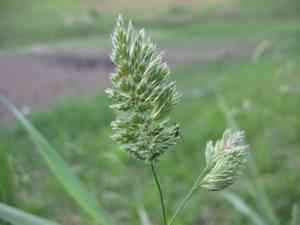
Small-flower wood-rush (Luzula parviflora)
Also known as: Small-flowered woodrush, Small-flowered rush
Wild Ginger (Asarum canadense) is a low-growing, hardy perennial known for its unassuming presence in woodland settings. It features clusters of small, brownish flowers near the base of the plant in spring. This plant's broad, heart-shaped leaves form a dense ground cover, thriving in the moist, shady conditions of cool temperate forests. Its adaptability and resilience, even in less-than-ideal soil, showcase its modest yet enduring nature.
In This Article
Attributes of Small-flower wood-rush
Lifespan
Perennial
Plant Type
Herb
Plant Height
30 cm to 91 cm
Spread
Not specified
Leaf Color
Green
Flower Size
2-4 mm
Flower Color
White Yellow Red Green Brown
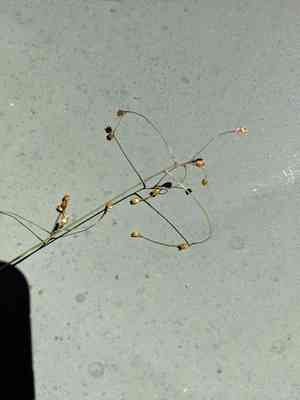
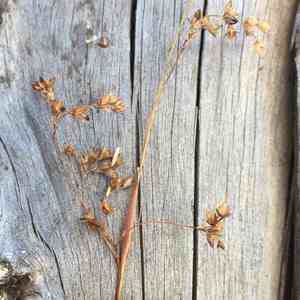
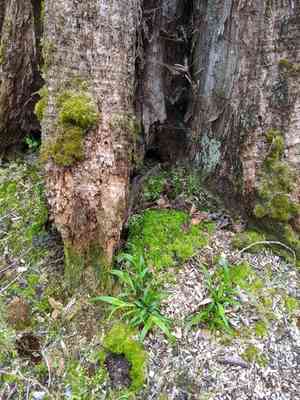
Images of Small-flower wood-rush
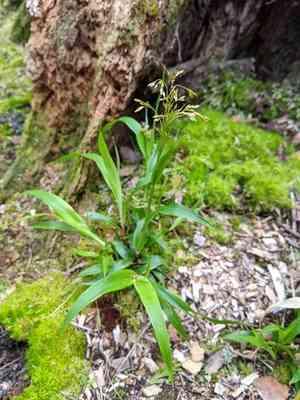
Quickly Identify Small-flower wood-rush
1
Luzula parviflora can be identified by its grass-like appearance, narrow leaves with small, white hairs, and small clusters of inconspicuous flowers. The flowers are typically greenish or brownish in color.
Scientific Classification of Small-flower wood-rush
Phylum
Vascular plants
Class
Monocotyledons
Order
Poales
Family
Rush
Genus
Wood-rush
Species
Small-flower wood-rush
Planting and Growing of Small-flower wood-rush
Care Difficulty
Easy
Watering Schedule
Every 2 days
Sunlight Requirements
Partial sun
Sunshine Duration
4-8 hours
Ideal Temperature
60-75℉
Soil Type
Potting Mix, Peat Mix
Soil pH
5.5-7
Fertilizer Type
Balanced
Pruning Season
Spring, Summer
Pruning Area
Branches, Leaves
Pruning Frequency
2 times a year
Repotting Season
Spring
Pot Type
Plastic, Ceramic
 How to Water Small-flower wood-rush?
The watering amount for Luzula parviflora should be around 250 milliliters per session. It's important to ensure that the soil is evenly moist but not waterlogged. Aim to water thoroughly until a small amount of water begins to seep out of the drainage holes at the bottom of the pot. This indicates that the root zone is adequately hydrated.
What are the symptoms of an underwatered Small-flower wood-rush?
›
What should I do if my Small-flower wood-rush is not getting enough water?
›
What are the symptoms of an overwatered Small-flower wood-rush?
›
How to save an overwatered Small-flower wood-rush?
›
 What Are the Sunlight Requirements for Small-flower wood-rush?
Luzula parviflora prospers in environments ranging from partial sun to full shade, benefiting from about 3 to 6 hours of diffused light. This light range fosters robust growth and diminishes susceptibility to pests and diseases.
What is the best light environment for Luzula parviflora?
›
How to achieve ideal lighting for Luzula parviflora?
›
What are the benefits of providing ideal lighting?
›
 What Is the Ideal Temperature Range for Small-flower wood-rush?
The ideal temperature range for Luzula parviflora, commonly known as small-flowered woodrush, falls between 60°F and 75°F. This range promotes optimal growth and ensures the plant can carry out photosynthesis efficiently. At these temperatures, the plant's metabolic processes are balanced, allowing it to thrive and maintain robust health.
 What Soil is Best for Small-flower wood-rush?
The soil should ideally retain moisture, as Luzula parviflora thrives in damp conditions. This moisture retention ability aids in sustaining the plant during dry spells, ensuring consistent growth and lush greenery. A nutrient-rich soil is essential for the healthy growth of Luzula parviflora. Such soils provide the plant with the necessary nutrients like nitrogen and phosphorus, promoting deep root development and vibrant foliage. While moisture retention is crucial, the soil should also have good drainage capacity to prevent waterlogging, which can lead to root rot. Balancing these aspects promotes a robust root system and healthy plant stature.
 How to Fertilize Small-flower wood-rush?
Luzula parviflora thrives with moderate fertilization. Use a balanced fertilizer with an N-P-K ratio of 10-10-10. For liquid fertilizer, use 1 teaspoon per gallon of water. For granular slow-release fertilizer, apply 2 pounds per 100 square feet once a year.
 How to Prune Small-flower wood-rush?
Start by examining Luzula parviflora for any dead or damaged leaves. These leaves often have a brownish color and a dry texture. Removing these parts will allow the plant to direct energy to new growth. Carefully trim back any overgrown areas to maintain the shape of the plant. Focus on cutting close to the point of intersection between leaves, ensuring a neat appearance without leaving stubs. To promote bushiness, cut just above a leaf node where new shoots can emerge. This encourages the plant to grow fuller, stimulating lateral growth rather than just vertical height.
More About Pruning Techniques→
 How to Propagate Small-flower wood-rush plant?
1
Gather seeds from mature Luzula parviflora plants after they've naturally fallen or are easily detached. Ensure seeds are dry to prevent rot during storage.
2
Prepare a well-draining soil mix using equal parts of peat, sand, and perlite. This mixture ensures aeration and prevents waterlogging, ideal for seed germination.
3
Sow seeds in the seed tray, pressing lightly into the soil surface. Cover with a thin layer of soil, mist gently, and place in a warm, bright location.
 How to Repot Small-flower wood-rush plant?
1
Repot Luzula parviflora when you notice the roots are heavily bound, emerging from the drainage holes, or the growth is stunted. These are clear signals that the plant requires more space for its roots to expand and absorb nutrients efficiently.
2
Select a pot that is approximately one to two inches larger in diameter than the current one. A pot too large can hold excess moisture, leading to root rot, while a pot too small can restrict root growth. Ensure it has drainage holes to allow excess water to escape, preventing soggy soil conditions.
3
Opt for a well-draining loamy soil mix that retains moisture but does not become waterlogged. This promotes proper aeration of roots and avoids root rot, supporting healthy growth. A balanced mix will retain necessary nutrients while allowing water to pass freely.



