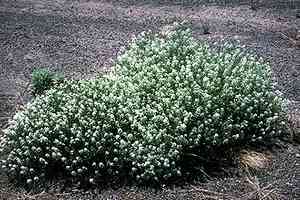
Mountain pepperplant (Lepidium montanum)
Also known as: Mountain pepperweed
Lepidium heterophyllum is often mistaken for the native Lepidium campestre in Belgium, particularly during the early seedling stage. This perennial plant can reach heights of 10 to 90 cm.
In This Article
Attributes of Mountain pepperplant
Lifespan
Perennial
Plant Type
Herb
Plant Height
30 cm to 91 cm
Spread
10-20 cm
Leaf Color
Green
Flower Size
0.5-1 cm
Flower Color
White
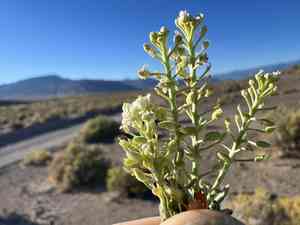
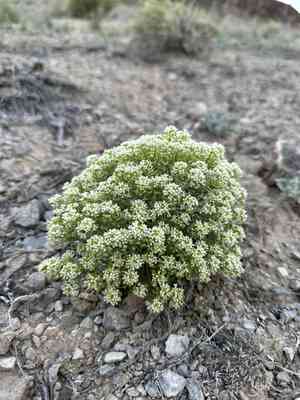
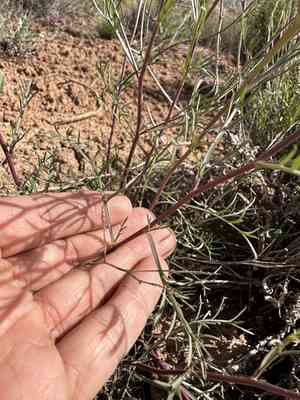
Images of Mountain pepperplant
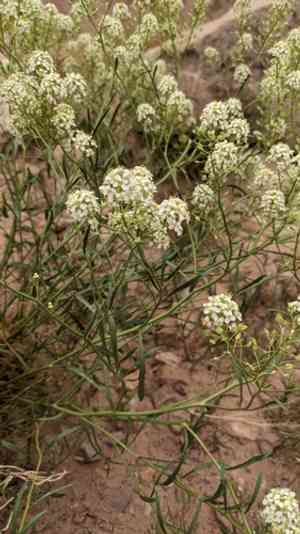
Quickly Identify Mountain pepperplant
1
To identify Lepidium montanum, look for a small perennial herb less than 30 cm tall, with tiny white flowers in dense clusters. Its leaves are narrow and elongated, often with a slightly spicy scent when crushed.
Scientific Classification of Mountain pepperplant
Phylum
Vascular plants
Class
Dicotyledons
Order
Brassicales
Family
Cruciferae
Genus
Peppercresses
Species
Mountain pepperplant
Planting and Growing of Mountain pepperplant
Care Difficulty
Moderate
Watering Schedule
Every 2 days
Sunlight Requirements
Full sun
Sunshine Duration
6-10 hours
Ideal Temperature
60-75℉
Soil Type
Potting Mix, Peat Mix
Soil pH
6.5-7.5
Fertilizer Type
Balanced
Pruning Season
Spring, Summer
Pruning Area
Branches, Leaves
Pruning Frequency
2 times a year
Repotting Season
Spring
Pot Type
Plastic, Ceramic
 How to Water Mountain pepperplant?
Lepidium montanum prefers light watering, taking into account its natural environment where it often withstands dry conditions. Water the plant lightly with around 150 milliliters each time, ensuring that the top inch of soil feels dry before watering again. Avoid waterlogging to keep the roots healthy.
What are the symptoms of an underwatered Mountain pepperplant?
›
What should I do if my Mountain pepperplant is not getting enough water?
›
What are the symptoms of an overwatered Mountain pepperplant?
›
How to save an overwatered Mountain pepperplant?
›
 What Are the Sunlight Requirements for Mountain pepperplant?
Lepidium montanum prefers full sunlight exposure. Ideal lighting enhances photosynthesis, ensuring robust growth and flowering. Adequate sunlight improves energy production, facilitating nutrient use and strengthening plant structure.
What is the best location for Lepidium montanum?
›
What specific measures can ensure Lepidium montanum gets ideal light?
›
What are the benefits of ideal light conditions for Lepidium montanum?
›
 What Is the Ideal Temperature Range for Mountain pepperplant?
The ideal temperature range for Lepidium montanum is between 60°F and 75°F. This range allows for optimal growth conditions, where the plant can photosynthesize efficiently and maintain healthy metabolic processes. Keeping the plant within this temperature band helps ensure it thrives and remains robust and resilient against fluctuations.
 What Soil is Best for Mountain pepperplant?
Lepidium montanum needs soil with excellent drainage to prevent waterlogging, which can lead to root rot. A well-draining soil allows the roots to access oxygen efficiently, encouraging healthier plant growth. This plant thrives best in soil that provides moderate but not excessive nutrients. Overly rich soil can encourage growth of foliage at the expense of flowering. A balanced nutrient profile ensures proper development of both roots and flowers. Slightly alkaline soils suit Lepidium montanum's needs perfectly as they often correlate with its native calcareous habitats. Maintaining this pH range helps in nutrient absorption and replicates the plant's natural growing conditions.
 How to Fertilize Mountain pepperplant?
For Lepidium montanum, appropriate fertilization is crucial for healthy growth. Use a balanced liquid fertilizer at half the recommended strength per application. Ensure even distribution, particularly around the root zone, to ensure all parts of the plant have access to nutrients.
 How to Prune Mountain pepperplant?
Examine the plant and identify dead or crossing branches. Cut just above a healthy set of leaves or a node to encourage new growth. Avoid cutting too close to the main stem to prevent damage. To maintain an even, bushy shape, trim back the longest branches to a similar length. This promotes uniform growth and prevents the plant from becoming too leggy or unbalanced.
More About Pruning Techniques→
 How to Propagate Mountain pepperplant plant?
1
Fill a seed tray with potting soil, making sure it is level. Scatter the Lepidium montanum seeds evenly across the surface before covering them with a thin layer of soil to ensure they are not exposed.
2
Gently water the seeds using a mist spray to avoid displacing them. Maintain soil moisture by regular watering, ensuring it is damp but not waterlogged.
3
Place the seeded tray in a well-lit area avoiding direct sunlight. Providing consistent, indirect light helps promote strong growth without drying out the soil or seedlings.
 How to Repot Mountain pepperplant plant?
1
Lepidium montanum typically signals it’s time for repotting when roots start to emerge from the drainage holes or the soil seems compacted. Additionally, if growth appears stunted or water lists on the surface after watering, it’s likely time to repot. Ideally, this should be done in Spring or Summer when the plant is actively growing.
2
Select a pot that is 1-2 inches larger in diameter than the current one. The pot should have sufficient drainage holes to prevent waterlogging, which is crucial for the health of Lepidium montanum. A slightly larger pot provides room for growth and ensures better water management.
3
Opt for a well-draining cactus mix since Lepidium montanum thrives in soils that don't retain excess moisture. This type of soil minimizes the risk of root rot while allowing excellent aeration, which is beneficial for root health and nutrient uptake.



