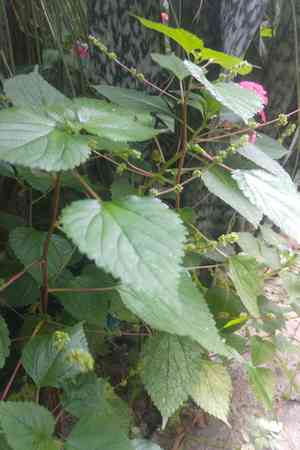
Hawai'i woodnettle (Laportea interrupta)
Also known as: Stinging nettle
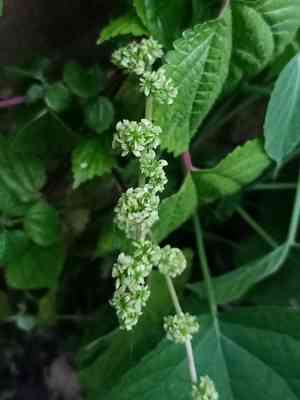
The Hawai'i woodnettle (Hesperocnide sandwicensis) is a perennial herb that flourishes in the shaded understory of tropical forests. It features broad, serrated leaves and erect, hairy stems that are easily recognizable. The plant produces small, unassuming flowers that eventually form clusters of fruits, aiding in seed dispersal. A key survival tactic is its stinging hairs, which serve as a defense mechanism against herbivores by causing skin irritation. These adaptations enable the Hawai'i woodnettle to effectively compete and persist in its natural habitat.
In This Article
Attributes of Hawai'i woodnettle
Lifespan
Annual
Plant Type
Herb
Plant Height
40 cm to 1 m
Spread
0.3 to 1 meter
Leaf Color
Green
Flower Size
25 cm
Flower Color
White Green
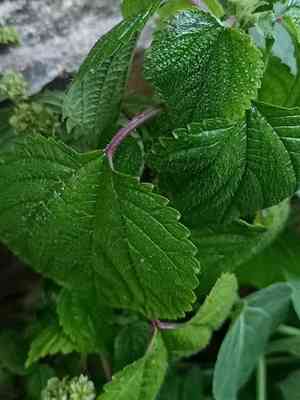
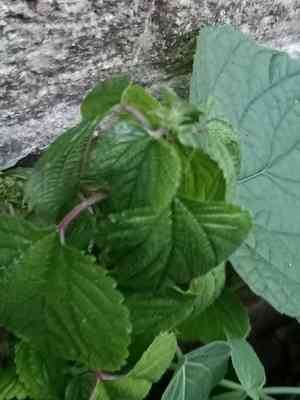
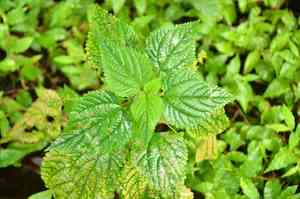
Images of Hawai'i woodnettle
Quickly Identify Hawai'i woodnettle
1
Laportea interrupta can be identified by its heart-shaped leaves with serrated edges and stinging hairs. It typically has a robust stem and clusters of small, inconspicuous flowers. The presence of stinging hairs on the leaves and stems is a distinguishing characteristic.
Scientific Classification of Hawai'i woodnettle
Phylum
Vascular plants
Class
Dicotyledons
Order
Rosales
Family
Nettle
Genus
Woodnettles
Species
Hawai'i woodnettle
Planting and Growing of Hawai'i woodnettle
Care Difficulty
Moderate
Watering Schedule
Every 4 days
Sunlight Requirements
Partial sun
Sunshine Duration
4-8 hours
Ideal Temperature
75-85℉
Soil Type
Potting Mix, Peat Mix
Soil pH
5.5-7.5
Fertilizer Type
Balanced
Pruning Season
Spring, Summer
Pruning Area
Leaves, Branches
Pruning Frequency
2 times a year
Repotting Season
Spring
Pot Type
Plastic, Ceramic
 How to Water Hawai'i woodnettle?
Laportea interrupta requires a consistent watering schedule where the soil remains moist but not waterlogged. The ideal amount is about 250 milliliters per session, ensuring that the water penetrates deeply into the soil without leaving the roots saturated.
What are the symptoms of an underwatered Hawai'i woodnettle?
›
What should I do if my Hawai'i woodnettle is not getting enough water?
›
What are the symptoms of an overwatered Hawai'i woodnettle?
›
How to save an overwatered Hawai'i woodnettle?
›
 What Are the Sunlight Requirements for Hawai'i woodnettle?
Laportea interrupta prefers partial sun to shade, ideally receiving filtered light for about 4 to 6 hours. This conditions enhance lush leaf development and robust plant health, minimizing stress.
What is the ideal light for Laportea interrupta?
›
How can I ensure ideal lighting for my Laportea interrupta?
›
What benefits does the ideal light condition provide?
›
 What Is the Ideal Temperature Range for Hawai'i woodnettle?
For Laportea interrupta, maintaining an ideal temperature range between 75°F and 85°F ensures optimal growth. These temperatures mimic the plant's natural tropical habitat, promoting healthy leaf development and vibrant color. Consistently within this range can lead to robust plant health and prevent potential stress caused by temperature fluctuations.
 What Soil is Best for Hawai'i woodnettle?
Laportea interrupta thrives in nutrient-rich soil that supports robust growth. A soil replete with essential nutrients will enable the plant to develop a strong root system and lush foliage, enhancing its resilience and vigor. Well-drained soil is crucial for Laportea interrupta as it prevents waterlogging, which can lead to root rot. Quick drainage ensures that roots receive sufficient oxygen, ultimately promoting healthy growth and preventing disease. The plant prefers moderately moist soil, avoiding both excessive dryness and saturation. Maintaining consistent moisture levels helps ensure continuous nutrient uptake, leading to sustained plant health and vitality.
 How to Fertilize Hawai'i woodnettle?
Laportea interrupta benefits from modest fertilization. Apply 1 teaspoon of liquid fertilizer mixed in a gallon of water per plant. When using slow-release fertilizers, distribute around 3 tablespoons evenly around the base, ensuring it doesn't touch the stem. This amount ensures the plant receives enough nutrients without the risk of over-fertilization.
 How to Prune Hawai'i woodnettle?
Begin by closely inspecting the plant for any dead or damaged leaves and stems. These parts should be removed first as they can attract pests and diseases, compromising the plant's health. After removing dead parts, proceed to trim excess growth to maintain the desired shape of the plant. Use sharp, sterile pruning shears to make clean cuts above the nodes, facilitating quick healing and regrowth. Once pruning is complete, clean your tools with a disinfectant solution to prevent the spread of pathogens between plants. This simple step helps in maintaining a healthy garden ecosystem.
 How to Propagate Hawai'i woodnettle plant?
1
Start by collecting mature seeds from the plant and gently cleaning them to remove any residue. Dry the seeds completely before sowing to improve germination rates.
2
Select healthy stems with no signs of disease. Cut a 4-6 inches section below a node with sterilized pruning shears. Remove leaves from the lower half to redirect energy to root formation.
3
Carefully remove the plant from its pot and gently tease apart roots to separate clumps. Ensure each division has a good root system and plant each in a separate pot.
 How to Repot Hawai'i woodnettle plant?
1
Repot your Laportea interrupta when you notice its roots crowding out of the drainage holes or when the growth seems stunted. This usually happens every 2 to 3 years. Spring and summer are the best seasons to repot, as the plant is actively growing and can recover from the repotting process more effectively.
2
Select a new pot that is one size larger than the current one, ensuring it has sufficient drainage holes to prevent waterlogging. The extra space allows roots to grow freely, promoting healthy plant development. A wider pot helps to balance the plant's height, preventing top-heaviness and potential tipping.
3
Choose a rich, well-draining soil mix, ideally a mix designed for houseplants. A soil mix combined with peat, perlite, and compost provides excellent drainage, nutrients, and aeration, which are crucial for preventing root rot while supporting healthy root and foliage growth.
Toxicity
Contact and ingestion
WARNING
The judgment on toxicity and danger is for reference only. We DO NOT GUARANTEE any accuracy of such judgment. Therefore, you SHALL NOT rely on such judgment. It is IMPORTANT TO SEEK PROFESSIONAL ADVICE in advance when necessary.



