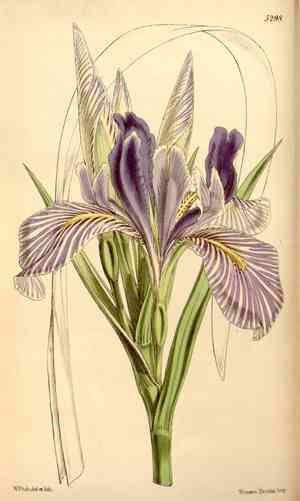
Central coast iris (Iris longipetala)
Also known as: Western Blue Flag, Long-petaled Iris
A perennial from North America, the central coast iris is found in moist areas of coastal grasslands. Due to its cattle resistance, the Iris longipetala can also be found in grazed pastures. Most parts of this plant are poisonous, causing vomiting when it's eaten, and even handling the plant can cause an allergic reaction.
In This Article
Attributes of Central coast iris
Lifespan
Perennial
Plant Type
Herb
Plant Height
30 cm to 60 cm
Spread
50 cm
Leaf Color
Green
Flower Size
10 cm to 15 cm
Flower Color
White Yellow Purple
Images of Central coast iris
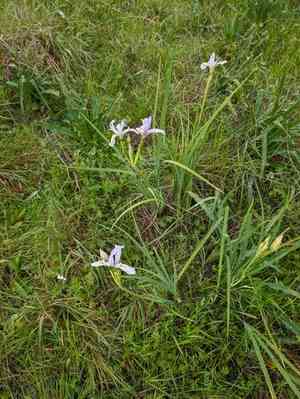
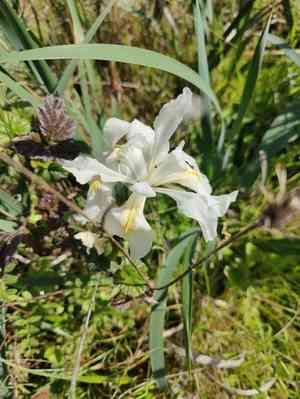
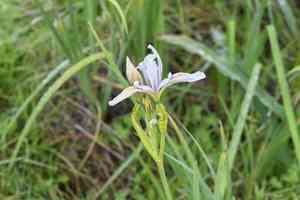
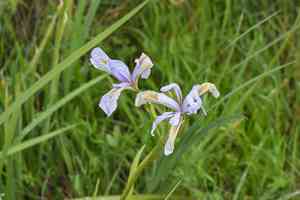
Quickly Identify Central coast iris
1
Iris longipetala can be identified by its long, slender petals and the distinctive bluish-purple coloration. It also features grass-like leaves and a rhizomatous growth habit.
Scientific Classification of Central coast iris
Phylum
Vascular plants
Class
Monocotyledons
Order
Asparagales
Family
Iris
Genus
Irises
Species
Central coast iris
Planting and Growing of Central coast iris
Care Difficulty
Moderate
Watering Schedule
Every 3 days
Sunlight Requirements
Partial sun
Sunshine Duration
6-10 hours
Ideal Temperature
60-75℉
Soil Type
Potting Mix, Peat Mix
Soil pH
6.5-7.5
Fertilizer Type
Balanced
Pruning Season
Spring, Summer
Pruning Area
Branches, Leaves
Pruning Frequency
2 times a year
Repotting Season
Spring
Pot Type
Plastic, Ceramic
 How to Water Central coast iris?
Iris longipetala should be watered generously, approximately 500 ml per session. The goal is to keep the soil consistently moist, but not soggy. Always ensure that the water reaches the root level without flooding the plant. This careful balancing act helps mimic the natural conditions of their native habitats where consistent moisture is present.
What are the symptoms of an underwatered Central coast iris?
›
What should I do if my Central coast iris is not getting enough water?
›
What are the symptoms of an overwatered Central coast iris?
›
How to save an overwatered Central coast iris?
›
 What Are the Sunlight Requirements for Central coast iris?
Iris longipetala thrives in partial to full sun, ideally cultivating in 6-8 hours of sunlight. Proper lighting ensures lush foliage, strong stems, and vibrant flowers, enhancing its natural resilience and decorative appeal.
More About Sunlight Requirements Techniques→
What is the best location for Iris longipetala?
›
How can you ensure adequate light for Iris longipetala indoors?
›
What are the benefits of ideal lighting conditions for Iris longipetala?
›
 What Is the Ideal Temperature Range for Central coast iris?
The ideal temperature range for Iris longipetala generally lies between 60°F and 75°F. This range provides optimal conditions for both growth and blooming, as these temperatures support the plant's metabolic processes without causing stress. Maintaining this range can help ensure the plant thrives, producing vibrant flowers and healthy foliage.
 What Soil is Best for Central coast iris?
Iris longipetala thrives in well-draining soils that prevent waterlogging and root rot, ensuring the roots receive adequate oxygen for healthy growth. This species prefers soils with moderate fertility to provide the essential nutrients needed for vibrant flowering and lush foliage without overwhelming the plant with excess nutrients. While good drainage is vital, the soil should also retain some moisture to keep the roots consistently hydrated, promoting vigorous plant health and resilience.
 How to Fertilize Central coast iris?
For Iris longipetala, it's essential to apply fertilizers sparingly as excessive nutrients can lead to lush foliage with fewer blooms. A general guideline is to use about 1 tablespoon of liquid fertilizer mixed with 1 gallon of water for each plant. For slow-release fertilizers, 1-2 tablespoons around the base of each plant per application should suffice.
 How to Prune Central coast iris?
Begin by removing any diseased or dead foliage from the Iris longipetala. This helps prevent the spread of disease and keeps the plant looking tidy. Next, trim back any withered blooms, cutting the stem back to about two inches from the base. This encourages vigorous future growth. Finally, evaluate the plant for any overcrowded or tangled areas and thin them out to improve air circulation and sunlight penetration.
More About Pruning Techniques→
 How to Propagate Central coast iris plant?
1
Gently dig around the iris clump, ensuring you're not cutting through rhizomes. Lift them from the soil carefully to prepare for dividing them into sections.
2
Carefully separate the rhizomes with a sharp knife or spade, ensuring each division has multiple healthy roots and a fan of leaves. Trim any damaged or diseased parts.
3
Plant the newly divided rhizomes at the same depth they were removed. Water them thoroughly after planting, and ensure their leaves are mostly trimmed to reduce stress.
 How to Repot Central coast iris plant?
1
Repot Iris longipetala when you notice overcrowded roots emerging from the pot's drainage holes or significant slowing in its growth. These are clear signals that the plant has outgrown its current container and requires more space to flourish. Ideally, repotting should be done in spring or autumn when the plant is less stressed by extreme temperatures.
2
Select a pot that's 2-3 inches larger in diameter than the current one, with ample drainage holes at the bottom. The size increase allows the Iris longipetala to develop a more extensive root system, promoting healthy growth. Good drainage prevents root rot by ensuring excess water isn't trapped within the pot, thus keeping the roots healthy and oxygenated.
3
Opt for well-draining, rich compost when repotting Iris longipetala. This type of soil mimics its natural habitat, preventing waterlogging while providing essential nutrients. A well-structured compost mix will support robust root growth and improve the plant's overall vigor by maintaining optimal moisture levels and delivering nutrients effectively.
Toxicity
Ingestion
WARNING
The judgment on toxicity and danger is for reference only. We DO NOT GUARANTEE any accuracy of such judgment. Therefore, you SHALL NOT rely on such judgment. It is IMPORTANT TO SEEK PROFESSIONAL ADVICE in advance when necessary.
Learn More About Central coast iris Diseases
Anthracnose
Bacterial Leaf Spot
Bacterial Soft Rot
Bacterial Wilt
Crown Gall
Cyst Nematode
Damping-off
Downy Mildew
Drought Stress
Fusarium Wilt
Gray Mold
Leaf Spot
Mosaic
Nutrient Deficiency
Nutrient Toxicity
Powdery Mildew
Root Rot
Root-knot Nematode
Rusts
Sooty Mold
Spider Mites
Temperature Stress
Thrips Damage
White Mold



