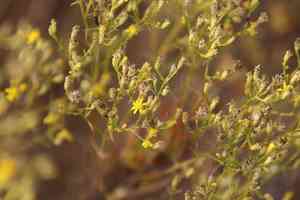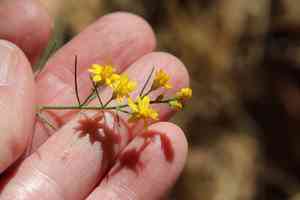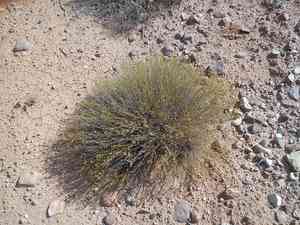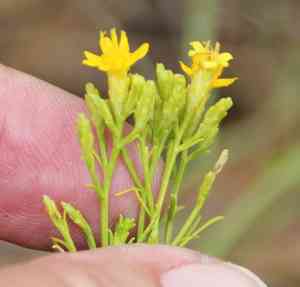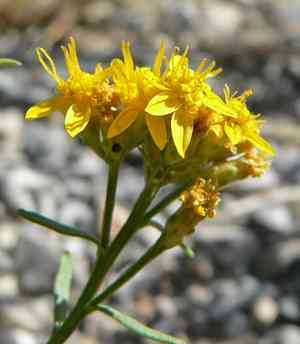
Broom snakeweed(Gutierrezia sarothrae)

Broom snakeweed (Gutierrezia sarothrae)

Also known as: Matchbrush, Turpentine weed, Texas snakeweed

Broom snakeweed (Gutierrezia sarothrae), often called broomweed or snakeweed, is a versatile shrub in the daisy family. Indigenous peoples traditionally used its rigid stems to craft brooms. This hardy plant thrives in harsh environments such as drought-prone areas, rocky soils, and high altitudes. Additionally, its twigs have historically been used as kindling for fires.

Attributes of Broom snakeweed

Lifespan
Perennial
Plant Type
Herb, Shrub
Plant Height
20 cm to 46 cm
Spread
30 cm to 45 cm
Leaf Color
Green
Flower Size
2.5 cm
Flower Color
Yellow

ForwardPlant - Identify plants with a snap

Identify and diagnose plants, get toxicity alerts, and explore safety guides for all types of fungi.

Try for Free

Images of Broom snakeweed

Broom snakeweed(Gutierrezia sarothrae)

Quickly Identify Broom snakeweed

1
Gutierrezia sarothrae can be identified by its thin, broom-like stems and small yellow composite flowers. The leaves are narrow and linear, typically 1-2 cm long. The plant usually grows in clumps and has a bushy appearance.

Scientific Classification of Broom snakeweed

Phylum
Vascular plants
Class
Dicotyledons
Order
Asterales
Family
Daisy
Genus
snakeweeds
Species
Broom snakeweed

Planting and Growing of Broom snakeweed

Care Difficulty
Easy
Watering Schedule
Every day
Sunlight Requirements
Full sun
Sunshine Duration
4-6 hours
Ideal Temperature
60-75℉
Soil Type
Potting Mix, Peat Mix
Soil pH
6.5-7.5
Fertilizer Type
Balanced
Pruning Season
Spring, Summer
Pruning Area
Branches, Leaves
Pruning Frequency
Once a year
Repotting Season
Spring
Pot Type
Plastic, Ceramic

water icon How to Water Broom snakeweed?

Gutierrezia sarothrae, commonly known as broom snakeweed, thrives in arid climates with minimal water. Water it deeply but infrequently, allowing the soil to dry out completely between waterings. Aim to provide around 500 ml of water to adequately reach the roots, ensuring the water penetrates to a depth of 15-20 cm.
What are the symptoms of an underwatered Broom snakeweed?
What should I do if my Broom snakeweed is not getting enough water?
What are the symptoms of an overwatered Broom snakeweed?
How to save an overwatered Broom snakeweed?

sunlight icon What Are the Sunlight Requirements for Broom snakeweed?

Sunlight Requirements: Full sun
Duration of light: 6 to 8 hours
Gutierrezia sarothrae does best in environments with full sun exposure, defined as receiving sunlight for over 6 hours daily. This promotes a healthy growth cycle, ensuring optimal physiological function and ecological contributions.
What is the best lighting for Gutierrezia sarothrae?
How can I ensure Gutierrezia sarothrae gets enough sunlight?
What are the benefits of optimal sunlight for Gutierrezia sarothrae?
More About Sunlight Requirements Techniques

temperature icon What Is the Ideal Temperature Range for Broom snakeweed?

Ideal Temperature: 60 ~ 75℉
The ideal temperature range for Gutierrezia sarothrae, commonly known as broom snakeweed, is between 60°F and 75°F. This range provides optimal conditions for growth, ensuring efficient photosynthesis and metabolic processes necessary for healthy development.

soil icon What Soil is Best for Broom snakeweed?

Soil type: Sandy soil, Loam, Clay soil
Soil PH: 6.5 ~ 7.5
Gutierrezia sarothrae thrives in well-drained soil because it prevents root rot and ensures optimal growth. Proper drainage allows the roots to access sufficient oxygen, promoting healthy plant development and reducing stress. This plant is well adapted to nutrient-poor soil conditions. It thrives in such environments because they reduce competition with other plants that require rich soil, allowing Gutierrezia sarothrae to dominate and prosper in its habitat. Gutierrezia sarothrae can grow well in soil with low organic matter. This adaptability is advantageous in its native arid regions where organic content is naturally scarce, allowing the plant to survive and spread without additional soil amendments.

fertilize icon How to Fertilize Broom snakeweed?

Fertilizer type: Balanced
Gutierrezia sarothrae, often known for its adaptability to arid climates, requires a modest amount of fertilizer. For liquid fertilizers, dilute to about half of the recommended concentration to prevent nutrient burn. When using slow-release fertilizers, apply sparingly approximately 15 grams per plant, focusing primarily on nitrogen to stimulate growth.

prune icon How to Prune Broom snakeweed?

Pruning Time: Spring, Summer, Autumn
Begin by examining the plant for any dead or diseased branches. Use clean, sharp pruning shears to remove these areas, cutting back to the nearest healthy growth point. Next, focus on shaping the plant by cutting back long shoots to encourage a more compact form. Be sure to make cuts just above a leaf node to promote new growth. Regular trimming helps keep the plant vigorous and prevents it from becoming too leggy. More About Pruning Techniques

propagate icon How to Propagate Broom snakeweed plant?

Propagate Time: Spring, Early spring, Autumn
1
Soak the seeds in water for about 24 hours before sowing. This helps to soften the seed coat, encouraging germination. Ensure the water is at room temperature to prevent shocking the seeds.
2
Plant the seeds in a seed tray filled with well-draining soil. Cover them lightly with soil, and ensure consistent moisture by misting with water. Place the tray in a location with indirect sunlight.
3
Select healthy stems for cuttings in early spring or autumn. Cut sections approximately 4-6 inches long below a node. Remove leaves from the lower half to prevent them from rotting in the soil.
More About Propagating Techniques

repot icon How to Repot Broom snakeweed plant?

Repotting frequency: Every 2-3 years
1
Gutierrezia sarothrae shows signs it's ready for repotting when you notice its roots creeping out of the drainage holes or its growth becomes stunted. These cues indicate the plant has outgrown its current pot and needs more space to thrive.
2
Select a pot that's just slightly bigger than the current one, ideally 1-2 inches wider in diameter. A pot too large can retain excessive moisture, increasing the risk of root rot. Opt for containers with drainage holes to ensure excess water can escape.
3
A well-draining, sandy soil mix is essential for Gutierrezia sarothrae, as it mimics its natural habitat. This type of soil prevents water logging, allowing oxygen to reach the roots and promoting healthy growth and root development.

ForwardPlant - Identify plants with a snap

Find the best spots for them to optimize their health, simply using your phone.

Try for Free

Toxicity of Broom snakeweed

Is Broom snakeweed toxic to cat?

Broom snakeweed is recognized as a harmful plant for cats. Incidents of exposure typically happen when cats inadvertently consume the plant. Following ingestion, cats may exhibit symptoms of physical distress or illness that could be alarming. The toxic compounds found in broom snakeweed are particularly associated with its sap or juice. Cat owners must be vigilant about the risk of poisoning and are recommended to supervise their feline friends in the vicinity of this plant. If there is a suspicion that a cat has been poisoned by broom snakeweed, prompt veterinary care is essential to safeguard the pet's health and well-being.

Is Broom snakeweed toxic to dog?

Broom snakeweed is a toxic plant that presents a serious threat to dogs if ingested. Dogs might inadvertently consume portions of broom snakeweed, resulting in poisoning. The chief concern regarding broom snakeweed lies in its sap or juice, which harbors the toxic compounds responsible for detrimental health effects in dogs. Upon consumption, dogs might display a range of symptoms that indicate poisoning, such as vomiting, diarrhea, lethargy, and potentially more severe manifestations like seizures or liver failure, depending on the quantity ingested. It is essential for dog owners to remain alert and to prevent their pets from gaining access to areas where broom snakeweed flourishes. Should a dog be suspected of having ingested broom snakeweed, seeking immediate veterinary assistance is vital to effectively manage the symptoms and mitigate the risk of long-term health issues.

Identify toxic plants for your safety

Learn which plants are harmful to you and your pets, and make informed choices for a safer home!

Try for Free
WARNING
The judgment on toxicity and danger is for reference only. We DO NOT GUARANTEE any accuracy of such judgment. Therefore, you SHALL NOT rely on such judgment. It is IMPORTANT TO SEEK PROFESSIONAL ADVICE in advance when necessary.
More About Toxic Techniques