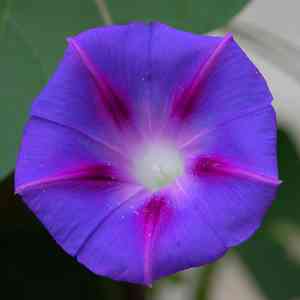
Shaggy dwarf morning-glory (Evolvulus nuttallianus)
Also known as: Prostrate evolvulus
Alternate names for Evolvulus nuttallianus include silky evolvulus, silver wild morning glory, and shaggy evolvulus. This plant is native to the western and midwestern United States. Its striking blue flowers are ideal for butterfly gardens, drawing in species such as cloudless sulfur butterflies.
In This Article
Attributes of Shaggy dwarf morning-glory
Lifespan
Perennial
Plant Type
Herb
Plant Height
30 cm to 46 cm
Spread
30 cm to 45 cm
Leaf Color
Green Blue Bronze Brown
Flower Size
2.5 cm
Flower Color
Purple Blue Lavender
Images of Shaggy dwarf morning-glory
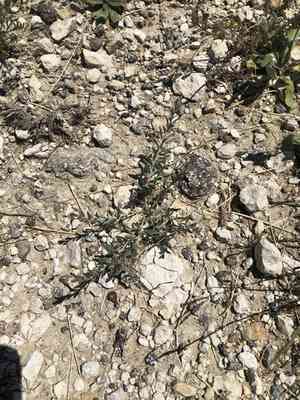
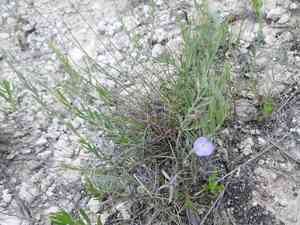
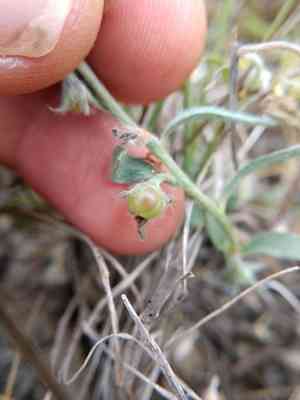
Quickly Identify Shaggy dwarf morning-glory
1
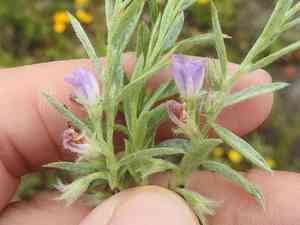
Identify Evolvulus nuttallianus by its small stature, hairy stems, and small blue to purple flowers with a white center. The leaves are small, linear to narrowly elliptic and covered in fine hairs.
Scientific Classification of Shaggy dwarf morning-glory
Phylum
Vascular plants
Class
Dicotyledons
Order
Solanales
Family
Morning-glory
Genus
Dwarf morning glories
Species
Shaggy dwarf morning-glory
Planting and Growing of Shaggy dwarf morning-glory
Care Difficulty
Easy
Watering Schedule
Every 4 days
Sunlight Requirements
Full sun
Sunshine Duration
4-8 hours
Ideal Temperature
65-75℉
Soil Type
Potting Mix, Peat Mix
Soil pH
6.5-7.5
Fertilizer Type
Balanced
Pruning Season
Spring, Summer
Pruning Area
Branches, Leaves
Pruning Frequency
Once a year
Repotting Season
Spring
Pot Type
Plastic, Ceramic
 How to Water Shaggy dwarf morning-glory?
Evolvulus nuttallianus prefers its soil to be kept moderately moist. When watering, ensure that the soil is moistened throughout without becoming waterlogged. Ideally, the water should penetrate deeply into the soil but allow for proper drainage. This desert plant thrives on an infrequent but thorough soak, and aim to water it until the top inch of soil dries out.
More About Watering Techniques→
What are the symptoms of an underwatered Shaggy dwarf morning-glory?
›
What should I do if my Shaggy dwarf morning-glory is not getting enough water?
›
What are the symptoms of an overwatered Shaggy dwarf morning-glory?
›
How to save an overwatered Shaggy dwarf morning-glory?
›
 What Are the Sunlight Requirements for Shaggy dwarf morning-glory?
Partial to full sun provides ideal light conditions, ensuring maximum growth and flowering. Receiving ample sunlight compensates for shortfalls in less favorable conditions.
More About Sunlight Requirements Techniques→
How to Achieve Ideal Lighting for Evolvulus nuttallianus?
›
Where Should You Place Your Evolvulus nuttallianus?
›
What Are the Benefits of Ideal Lighting?
›
 What Is the Ideal Temperature Range for Shaggy dwarf morning-glory?
Evolvulus nuttallianus thrives best in temperatures ranging from 65°F to 75°F. This range provides optimal conditions for growth and photosynthesis. At these temperatures, the plant's metabolic processes function efficiently, supporting robust growth and flowering. Inconsistent temperatures outside this ideal range may result in stress or slowed growth.
 What Soil is Best for Shaggy dwarf morning-glory?
Evolvulus nuttallianus thrives in well-draining soil to prevent root rot. Such soil allows excess water to escape quickly, ensuring roots receive enough oxygen, promoting healthy growth and vibrant foliage. This plant prefers moderately fertile soil, as an excess of nutrients can cause imbalanced growth. A balanced nutrient content is essential for sustaining its delicate blooms and encouraging robust plant health. The preference for slightly acidic to neutral pH fosters optimal nutrient absorption. This pH range ensures that the plant's metabolic processes function efficiently, leading to vibrant blooms and steadfast growth.
More About Soil→
 How to Fertilize Shaggy dwarf morning-glory?
For Evolvulus nuttallianus, a moderate amount of fertilizer is key. Typically, you should apply about a quarter to half strength of a general-purpose liquid fertilizer during the growing season. This ensures plant nutrition without risk of over-fertilization.
More About Fertilizing Techniques→
 How to Prune Shaggy dwarf morning-glory?
Begin by sterilizing your pruning shears to prevent the spread of disease. Clean, sharp tools make clean cuts, reducing strain on the plant and promoting quicker healing. Focus first on cutting away dead or damaged stems. These non-productive parts are easily identified by their brittleness and discoloration. Removing them allows the plant to channel energy into healthy, flowering growth. After addressing damaged parts, proceed to shape the plant for optimal sunlight exposure and aesthetic appeal. Trim back any overly long or straggly stems to maintain a compact form, ensuring balanced growth.
More About Pruning Techniques→
 How to Propagate Shaggy dwarf morning-glory plant?
1
The first step in seed propagation is to collect mature seeds from the plant. Ensure that seeds are dry and healthy, free from any signs of mold or damage, to increase germination success.
2
When propagating via cuttings, select a healthy stem and use sterilized pruning shears to make a sharp cut. Remove the lower leaves to prevent rotting and increase the chances of rooting.
3
Whether using seeds or cuttings, it's important to plant them into well-draining soil. For seeds, scatter them lightly and cover with a thin layer of soil. For cuttings, insert them deep enough to remain upright.
 How to Repot Shaggy dwarf morning-glory plant?
1
For Evolvulus nuttallianus, repotting is ideally done when you observe roots poking out from the drainage holes or a noticeable slowdown in growth. The best time is during the growing seasons of spring or summer when the plant experiences new growth spurts, helping it to recover from any stress of being repotted.
2
Select a pot that is slightly larger than the current one, ensuring it has ample drainage holes to prevent root rot. It's beneficial to use a pot made from a breathable material like terracotta, which allows for better airflow around the roots. This choice aids in maintaining a healthy root environment by preventing waterlogging.
3
Opt for a well-draining potting mix that mimics the plant’s natural sandy and rocky environment. A mix containing sand, perlite, and organic matter provides excellent drainage while still retaining the necessary nutrients. This choice ensures roots have the air and moisture balance they need to thrive.
Learn More About Shaggy dwarf morning-glory Diseases
Anthracnose
Bacterial Leaf Spot
Bacterial Wilt
Damping-off
Downy Mildew
Drought Stress
Fusarium Wilt
Gray Mold
Leaf Curl
Leaf Spot
Mosaic
Nutrient Deficiency
Nutrient Toxicity
Powdery Mildew
Root Rot
Root-knot Nematode
Rusts
Sooty Mold
Spider Mites
Temperature Stress
Thrips Damage
White Mold
Chemical Injury



