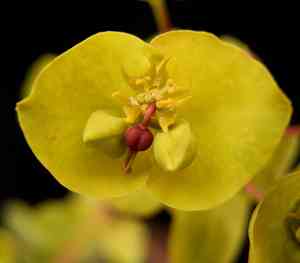
American ipecac (Euphorbia ipecacuanhae)
Also known as: Ipecac spurge
American ipecac (Gillenia trifoliata) is a resilient perennial that usually grows in the undergrowth of damp woodlands. It prefers well-drained, slightly acidic soils and thrives in partial to full shade, adapting to lower light conditions. This plant features narrow leaves and small, subtle flowers that help attract the right pollinators for successful reproduction.
In This Article
Attributes of American ipecac
Lifespan
Perennial
Plant Type
Herb, Succulent
Plant Height
4-10 inches (10-25 cm)
Spread
Not typically applicable for herbaceous plants
Leaf Color
Green
Flower Size
Less than 0.5 inches (1 cm)
Flower Color
Yellowish-green
Images of American ipecac
Quickly Identify American ipecac
1
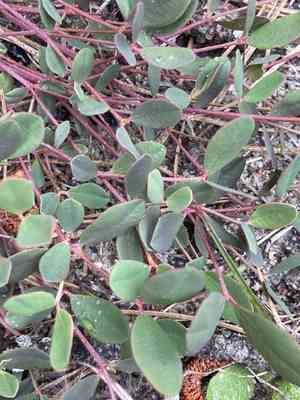
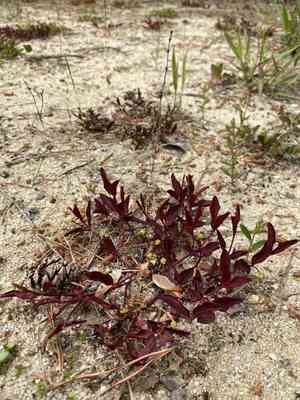
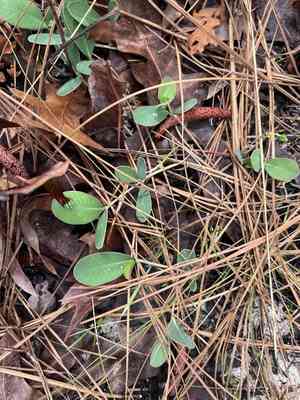
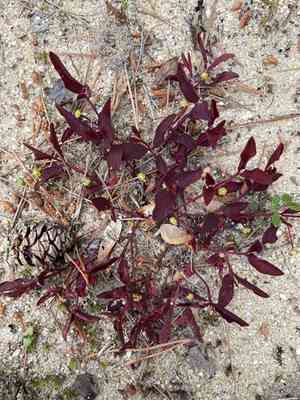
Euphorbia ipecacuanhae can be identified by its milky sap, narrow leaves, and small, inconspicuous flowers. The plant grows low to the ground and forms sprawling mats.
Scientific Classification of American ipecac
Phylum
Vascular plants
Class
Dicotyledons
Order
Malpighiales
Family
Spurge
Genus
Spurges
Species
American ipecac
Planting and Growing of American ipecac
Care Difficulty
Moderate
Watering Schedule
Every 2 days
Sunlight Requirements
Full sun
Sunshine Duration
8-12 hours
Ideal Temperature
65-75℉
Soil Type
Potting Mix, Peat Mix
Soil pH
6.5-7.5
Fertilizer Type
Balanced
Pruning Season
Spring, Summer
Pruning Area
Branches, Leaves
Pruning Frequency
2 times a year
Repotting Season
Spring
Pot Type
Plastic, Ceramic
 How to Water American ipecac?
Euphorbia ipecacuanhae prefers a moderate amount of water, ensuring the soil is thoroughly moistened without becoming waterlogged. It's crucial to pour 150 ml of water until excess begins to drain out of the bottom of the pot, ensuring that the water reaches the roots and drains well.
What are the symptoms of an underwatered American ipecac?
›
What should I do if my American ipecac is not getting enough water?
›
What are the symptoms of an overwatered American ipecac?
›
How to save an overwatered American ipecac?
›
 What Are the Sunlight Requirements for American ipecac?
Euphorbia ipecacuanhae benefits from partial to full sun, ideally 4 to 6 hours of sunlight. This exposure supports strong growth and enhances the plant's resistance to environmental stresses.
What is the ideal amount of sunlight for Euphorbia ipecacuanhae?
›
Why is it important for Euphorbia ipecacuanhae to receive full sun?
›
How can you ensure Euphorbia ipecacuanhae receives the right amount of sunlight?
›
 What Is the Ideal Temperature Range for American ipecac?
The ideal temperature range for growing Euphorbia ipecacuanhae is between 65°F and 75°F. This range provides the conditions necessary for optimal photosynthesis and metabolic activity in the plant, offering a perfect balance that supports healthy growth and development.
 What Soil is Best for American ipecac?
Euphorbia ipecacuanhae thrives in soil that offers essential nutrients without being overly fertile. This condition supports healthy growth and encourages the plant's natural resilience against pests and diseases. Well-drained soil is crucial for Euphorbia ipecacuanhae to prevent root rot and other water-related issues. Proper drainage supports robust root health, leading to a stronger and more vibrant plant. Preferring soil that doesn't retain excessive moisture, Euphorbia ipecacuanhae benefits from a dry environment to mimic its natural habitat, aiding in the prevention of fungal infections.
 How to Fertilize American ipecac?
Euphorbia ipecacuanhae thrives with a balanced and measured approach to fertilization. For liquid fertilizers, use a half-strength mixture of a balanced 10-10-10 fertilizer. Apply this solution evenly around the base of the plant, being careful not to over-saturate the soil, which could lead to rot.
 How to Prune American ipecac?
Start by examining your Euphorbia ipecacuanhae to identify any dead, damaged, or diseased stems that need removal. Plan your cuts carefully to maintain the plant's natural shape and allow for balanced light penetration throughout the foliage. Begin pruning by removing any obviously damaged or dead stems at the base using a pair of clean, sharp garden shears. Next, focus on thinning out crowded areas, making cuts just above a leaf node to encourage new growth. Aim to create an open structure that allows good air circulation.
More About Pruning Techniques→
 How to Propagate American ipecac plant?
1
Start by filling seedling trays with a well-draining soil mix. Sow the seeds thinly and cover them lightly with soil. Keep the soil consistently moist but avoid overwatering. Germination can take a few weeks, so patience is key during this process.
2
Select healthy stems for cuttings, each about 4 to 6 inches long. Remove the leaves from the lower half of the cutting, and let it dry for a few hours to reduce the latex flow. Plant the cutting in a well-draining soil mix and keep it in a warm, bright but indirect light location.
3
In early spring, carefully dig up a mature Euphorbia ipecacuanhae plant. Use a sharp knife or spade to divide the root ball into sections, ensuring each section has both roots and shoots. Replant the divisions immediately at the same depth they were growing previously, and water thoroughly.
 How to Repot American ipecac plant?
1
Euphorbia ipecacuanhae typically needs repotting when its roots start to protrude from the drainage holes or the plant appears root-bound. This usually happens every two to three years. Keep an eye out for slowed growth or the need for more frequent watering, as these are signs it's time to consider a new pot.
2
Opt for a pot that is slightly larger than the current one, ensuring it has ample drainage holes. A terracotta or ceramic pot can be beneficial as they allow excess moisture to evaporate, preventing overwatering issues. This is crucial for Euphorbias, which prefer a dry environment and can rot if left in soggy soil.
3
The ideal soil for Euphorbia ipecacuanhae is one that is well-draining, like a sandy mix or a cactus potting blend. This helps simulate their natural habitat, ensuring that water drains quickly, reducing the risk of root rot. Incorporating perlite or pumice can enhance drainage capabilities even further.
Toxicity
Ingestion, Skin contact
WARNING
The judgment on toxicity and danger is for reference only. We DO NOT GUARANTEE any accuracy of such judgment. Therefore, you SHALL NOT rely on such judgment. It is IMPORTANT TO SEEK PROFESSIONAL ADVICE in advance when necessary.
Learn More About American ipecac Diseases
Anthracnose
Bacterial Leaf Spot
Bacterial Soft Rot
Bacterial Wilt
Crown Gall
Cyst Nematode
Damping-off
Downy Mildew
Fusarium Wilt
Gray Mold
Leaf Spot
Mosaic
Powdery Mildew
Root Rot
Root-knot Nematode
Rusts
Sooty Mold
White Mold
Chemical Injury
Drought Stress
Nutrient Deficiency
Nutrient Toxicity
Temperature Stress
Spider Mites
Thrips Damage



