Barrenwort (Epimedium) (Epimedium)
Also known as: Horny goat weed, Bishop's hat
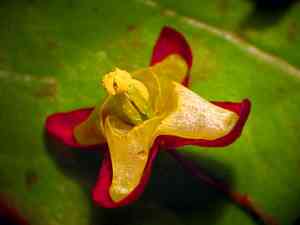
Barrenworts are resilient perennials that develop from underground rhizomes and feature unique, spider-like flowers. Numerous species, along with various cultivars and hybrids, are cultivated for ornamental purposes. Some have even received the esteemed Award of Garden Merit from the British Royal Horticultural Society. Most barrenwort species are native to China.
In This Article
Attributes of Barrenwort (Epimedium)
Lifespan
Perennial
Plant Height
20 cm to 25 cm
Spread
30 cm to 45 cm
Leaf Color
Green with seasonal tinges of bronze or purple
Flower Size
Approximately 2 cm
Flower Color
Varies by species; commonly white, pink, yellow, and purple
Images of Barrenwort (Epimedium)

Quickly Identify Barrenwort (Epimedium)
1
Epimediums can be identified by their heart-shaped leaves, often adorned with spiny edges, along with their unique, small, star-like flowers which come in various colors including white, yellow, pink, and purple.
Scientific Classification of Barrenwort (Epimedium)
Phylum
Magnoliophyta
Class
Magnoliopsida
Order
Ranunculales
Family
Berberidaceae
Genus
Epimedium
Planting and Growing of Barrenwort (Epimedium)
Care Difficulty
Moderate
Watering Schedule
Every 2 days
Sunlight Requirements
Partial sun
Sunshine Duration
6-10 hours
Ideal Temperature
60-75℉
Soil Type
Potting Mix, Peat Mix
Soil pH
6-7.5
Fertilizer Type
Balanced
Pruning Season
Spring, Summer
Pruning Area
Branches, Leaves
Pruning Frequency
Once a year
Repotting Season
Spring
Pot Type
Plastic, Ceramic
 How to Water Barrenwort (Epimedium)?
When watering Epimedium, it's essential to ensure that the soil is evenly moist without becoming waterlogged. Aim for about 250ml per session, allowing the top layer to dry slightly before the next watering. This mimics the plant's natural habitat where it gets occasional rainfall.
What are the symptoms of an underwatered Barrenwort (Epimedium)?
›
What should I do if my Barrenwort (Epimedium) is not getting enough water?
›
What are the symptoms of an overwatered Barrenwort (Epimedium)?
›
How to save an overwatered Barrenwort (Epimedium)?
›
 What Are the Sunlight Requirements for Barrenwort (Epimedium)?
Partial sun to full shade is ideal for Epimedium. Under these conditions, the plant maintains vibrant color and optimal health. Balanced light conditions encourage natural growth cycles and flowering, enhancing overall plant vigor.
Solution for Ideal Lighting
›
Specific Measures
›
Achieved Benefits
›
 What Is the Ideal Temperature Range for Barrenwort (Epimedium)?
What is the preferred temperature range for Epimedium? Epimedium thrives best in temperate environments, ideally between 60°F and 75°F. This range provides optimal conditions for its metabolic processes, promoting vigorous growth and healthy foliage.
 What Soil is Best for Barrenwort (Epimedium)?
Epimedium thrives in well-drained soil which prevents water accumulation around the roots. This promotes healthy root growth and prevents root rot, ensuring the plant remains vigorous and lush. While drainage is crucial, the soil should also retain enough moisture to provide a steady supply to the plant. This balance fosters consistent growth and vibrant foliage. The soil should be rich in organic matter, providing a continuous supply of nutrients essential for the plant's development and flowering, enhancing its overall appearance.
 How to Fertilize Barrenwort (Epimedium)?
For Epimedium, a light hand is essential. Too much fertilizer can burn the plant's roots. A diluted liquid fertilizer at a quarter strength bi-monthly is recommended. When using slow-release granules, scatter them sparingly throughout the soil to avoid root burn, distributed evenly around the plant's drip line.
 How to Prune Barrenwort (Epimedium)?
Start by removing any dead or damaged stems at the base of the plant. Cut back old, withered foliage to make room for new growth. Use sharp, clean shears to avoid damaging the plant. Aim to prune just above a healthy bud or leaf joint. Ensure you are cutting at a slight angle to help water runoff and prevent disease.
 How to Propagate Barrenwort (Epimedium) plant?
1
Place Epimedium seeds in light, well-draining potting soil, covering them lightly. Keep the soil consistently moist and maintain a warm temperature of around 60-70°F to encourage germination, which may take several weeks.
2
In early spring, dig around the base of the parent plant and gently lift it from the soil. Use a sharp spade to divide the root clump into sections, ensuring each has several growth points, then replant promptly.
3
Once seedlings have developed a few sets of true leaves, transplant them into individual pots or a prepared bed. Ensure they are spaced adequately to accommodate future growth.
 How to Repot Barrenwort (Epimedium) plant?
1
Epimediums show signs of needing a repot when growth becomes stunted or the plant appears root-bound. Often, you'll see roots trying to escape the drainage holes. Spring is the prime time, as the plant is in its active growth period, ensuring better recovery and adaptation to its new pot.
2
Select a pot that's only one to two sizes larger than the current one. Epimediums prefer slightly snug conditions, encouraging a healthy root system. A pot with good drainage holes is crucial to prevent water-logging, protecting the roots from rot and promoting vigorous growth.
3
Opt for a well-draining, loamy soil mix that retains some moisture but allows excess water to escape. This strikes a balance between moisture and aeration, supporting Epimedium's root health. Adding organic matter like compost can enhance nutrient availability and soil texture.
Learn More About Barrenwort (Epimedium) Diseases
Anthracnose
Bacterial Leaf Spot
Bacterial Soft Rot
Crown Gall
Cyst Nematode
Damping-off
Downy Mildew
Drought Stress
Fusarium Wilt
Gray Mold
Leaf Spot
Mosaic
Nutrient Deficiency
Nutrient Toxicity
Powdery Mildew
Root Rot
Root-knot Nematode
Rusts
Sooty Mold
Spider Mites
Temperature Stress
Thrips Damage
White Mold

