
Song of india (Dracaena reflexa)
Also known as: Song of jamaica
The song of India plant, known for its striking, evergreen leaves, is highly favored as a houseplant due to its distinctive look and easy care. Interestingly, it is indigenous to several Indian Ocean islands such as Madagascar and Mauritius, but not to India itself.
Attributes of Song of india
Images of Song of india

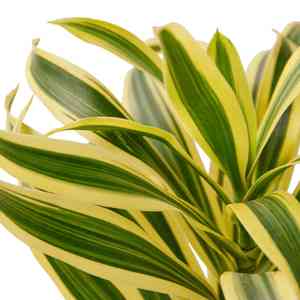
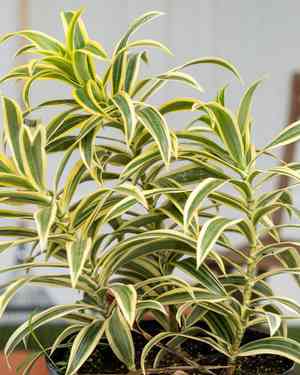
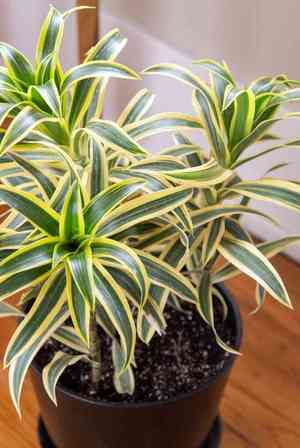
Quickly Identify Song of india
Scientific Classification of Song of india
Planting and Growing of Song of india
 How to Water Song of india?
 What Are the Sunlight Requirements for Song of india?
 What Is the Ideal Temperature Range for Song of india?
 What Soil is Best for Song of india?
 How to Fertilize Song of india?
 How to Prune Song of india?
 How to Propagate Song of india plant?
 How to Repot Song of india plant?
Toxicity of Song of india
Is Song of india toxic to cat?
Song of India is recognized for its toxicity to felines. Cats may unknowingly come into contact with the plant if they accidentally consume any of its parts, since every portion of the Song of India is toxic. When ingested, a cat may show various signs of distress or illness, which can manifest as a variety of symptoms. Cat guardians should remain alert and ensure their pets do not come into contact with Song of India. If there is any suspicion of poisoning, it is crucial to obtain prompt veterinary assistance to address potential health issues.
Is Song of india toxic to dog?
The Song of India is recognized as a toxic plant for dogs. When dogs consume any part of this plant, they are susceptible to poisoning due to its toxic properties. All components of the Song of India can pose a risk if ingested by dogs, which may occur inadvertently during active play or exploration. Signs of poisoning in dogs can include vomiting, diarrhea, lethargy, excessive drooling, decreased appetite, or signs of depression. It is imperative for dog owners to closely supervise their pets and restrict access to the Song of India. Should a dog ingest any part of the Song of India, it is vital to obtain prompt veterinary assistance to ensure the affected animal receives the best possible care.



