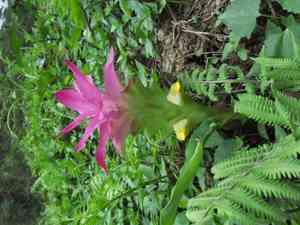
Aromatic tumeric or curcuma (Curcuma aromatica)
Also known as: Curcuma, Aromatic turmeric
Turmeric, known scientifically as Curcuma longa, hails from South Asia, particularly India. The rhizomes of this plant are yellow-orange and aromatic. Widely recognized as a staple spice in home cooking, turmeric adds flavor and color to various dishes.
Beyond the kitchen, turmeric plays a significant role in the cosmetic industry due to its skin-enhancing properties. Additionally, it has a long history of use in traditional medicine, where it is prized for its therapeutic benefits.
In summary, turmeric's multifaceted applications span culinary, cosmetic, and medicinal realms, making it a versatile and valuable ingredient.
In This Article
Attributes of Aromatic tumeric or curcuma
Lifespan
Perennial
Plant Type
Herb
Plant Height
40 cm
Spread
Not applicable
Leaf Color
Green
Flower Size
8 cm
Flower Color
White Pink
Images of Aromatic tumeric or curcuma
Quickly Identify Aromatic tumeric or curcuma
1
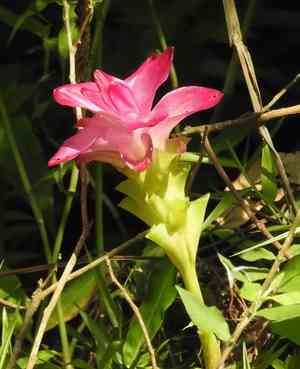
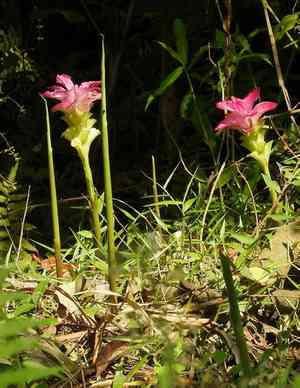
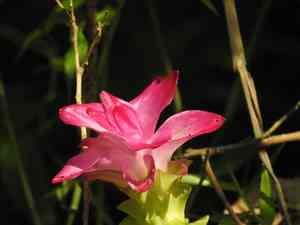
Curcuma aromatica can be identified by its broad, lanceolate leaves, aromatic rhizomes, and yellow-green flowers. The leaves have a characteristic fragrance when crushed.
Scientific Classification of Aromatic tumeric or curcuma
Phylum
Vascular plants
Class
Monocotyledons
Order
Zingiberales
Family
Ginger
Genus
Curcuma
Species
Aromatic tumeric or curcuma
Planting and Growing of Aromatic tumeric or curcuma
Care Difficulty
Easy
Watering Schedule
Every 2 days
Sunlight Requirements
Partial sun
Sunshine Duration
4-8 hours
Ideal Temperature
65-80℉
Soil Type
Potting Mix, Peat Mix
Soil pH
5.5-7.5
Fertilizer Type
Balanced
Pruning Season
Spring, Summer
Pruning Area
Branches, Leaves
Pruning Frequency
2 times a year
Repotting Season
Spring
Pot Type
Plastic, Ceramic
 How to Water Aromatic tumeric or curcuma?
For Curcuma aromatica, the optimal watering amount is about 500 ml per session. Ensure the soil is completely moistened and drains well, as stagnant water can harm the roots. A good rule of thumb is to ensure the water reaches the root level but does not pool at the bottom.
What are the symptoms of an underwatered Aromatic tumeric or curcuma?
›
What should I do if my Aromatic tumeric or curcuma is not getting enough water?
›
What are the symptoms of an overwatered Aromatic tumeric or curcuma?
›
How to save an overwatered Aromatic tumeric or curcuma?
›
 What Are the Sunlight Requirements for Aromatic tumeric or curcuma?
Curcuma aromatica's ideal light range comprises partial sun and full shade. This balance ensures the plant receives enough light for energy without the risk of leaf scorch, promoting robust growth and flowering.
More About Sunlight Requirements Techniques→
What environment suits it best?
›
How to achieve ideal lighting?
›
What are the benefits of ideal lighting?
›
 What Is the Ideal Temperature Range for Aromatic tumeric or curcuma?
Curcuma aromatica thrives best in temperatures ranging from 65°F to 80°F. This range ensures optimal metabolic and photosynthetic activities, enabling the plant to flourish with vibrant growth and resilience. Maintaining ambient conditions within this range minimizes stress, promoting robust foliage and healthy rhizome development. Ideal temperatures support consistent flowering and vivid floral display, key for ornamental attractiveness.
 What Soil is Best for Aromatic tumeric or curcuma?
Curcuma aromatica thrives in soil that drains well since it prevents water from accumulating around the roots, which can cause rot. Well-draining properties are crucial for the plant as they provide a good balance of water retention and air circulation, thus promoting healthy root growth. This plant prefers soil that is rich in organic matter or nutrients, which supports its robust growth and vibrant foliage. Ample nutrients help the plant in developing strong rhizomes, particularly valuable for medicinal and culinary uses. Soil that retains some moisture but does not remain waterlogged is ideal for Curcuma aromatica. This moisture balance helps the plant maintain necessary hydration, especially during dry spells, without compromising root health.
 How to Fertilize Aromatic tumeric or curcuma?
For Curcuma aromatica, the ideal fertilizer amount is moderate. Apply approximately 100 grams of balanced, slow-release granules per plant annually, spreading it evenly on the soil surface. For liquid fertilizers, use a diluted solution (one-quarter strength) every two weeks during the growing season to supplement the slow-release nutrients.
 How to Prune Aromatic tumeric or curcuma?
Start by identifying any dead or discolored leaves and stalks, and gently remove them with clean scissors or pruning shears. Cut at the base of the stem to avoid leaving stubs. This practice not only improves appearance but also enhances air circulation and reduces the risk of disease. To encourage blooming, focus on removing old flower stems after they have wilted. This process redirects energy to the healthy parts of the plant, ensuring more vibrant blooms in subsequent cycles. Be careful not to cut the new growth as that can hinder future flowering.
More About Pruning Techniques→
 How to Propagate Aromatic tumeric or curcuma plant?
1
Before dividing the Curcuma aromatica, it's crucial to water the plant thoroughly a day or two before you plan to propagate. This helps ensure the plant is well-hydrated, making it easier to separate the rhizomes without causing undue stress to the plant. Ensure that the plant is healthy, as this provides a better chance for the divided sections to thrive.
2
Carefully dig up the plant to reveal the rhizomes. Using your sharp knife or shears, cut the rhizomes into sections. Each section should have at least one growing bud or 'eye' and sufficient roots to support new growth. Make clean cuts to avoid damaging the plant tissue, which can make the divisions susceptible to disease.
3
Plant each rhizome section into well-draining soil at the same depth they were growing previously. This helps ensure proper root development and growth. Water the newly planted sections judiciously to settle the soil and provide moisture, which is crucial for rooting. Place them in a location that receives indirect sunlight to prevent wilting.
 How to Repot Aromatic tumeric or curcuma plant?
1
Curcuma aromatica should be repotted when you notice roots coming out of the drainage holes or the plant becoming overly large for its container. The most favorable time is in spring or summer, as this is when the plant is in its growth phase, allowing it to adapt quicker to a new pot.
2
Select a pot that is 1-2 inches larger in diameter than the current one to allow room for growth. A pot with good drainage holes will prevent waterlogging, helping prevent root rot and keeping your plant healthy.
3
Opt for a well-draining soil mixture that includes organic matter such as peat or coconut coir, mixed with perlite or sand. This ensures adequate moisture retention without sogginess, providing ideal conditions for root development and nutrient absorption.



