Columnea (Columnea) (Columnea)
Also known as: Goldfish Plant, Flying Goldfish Plant
The African violet (Saintpaulia) is a well-loved houseplant, recognized for its attractive fuzzy leaves and vivid purple flowers. Native to southeastern Africa, it holds significant economic value for small-scale farmers who cultivate it in the region.
In This Article
Attributes of Columnea (Columnea)
Lifespan
Perennial
Plant Height
1 to 3 feet (30 to 91 cm)
Spread
1 to 2 feet (30 to 61 cm)
Leaf Color
Dark Green
Flower Size
2 to 4 cm
Flower Color
Orange, Red, Yellow
Images of Columnea (Columnea)
Quickly Identify Columnea (Columnea)
1
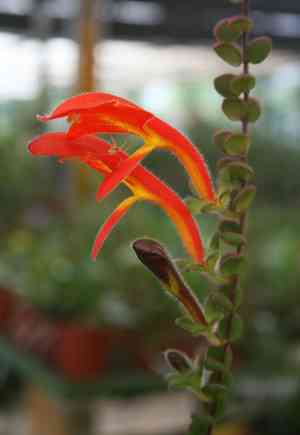
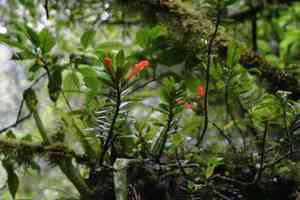
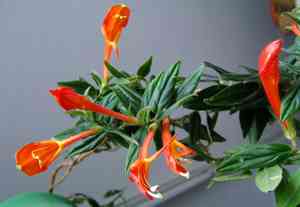
Columnea plants can be recognized by their bright, tubular flowers and glossy, deep green leaves. The flowers typically grow in clusters and can range in color from orange to red. The leaves are usually opposite and can have a somewhat succulent texture.
Scientific Classification of Columnea (Columnea)
Phylum
Magnoliophyta
Class
Magnoliopsida
Order
Lamiales
Family
Gesneriaceae
Genus
Columnea
Planting and Growing of Columnea (Columnea)
Care Difficulty
Moderate
Watering Schedule
Every 4 days
Sunlight Requirements
Partial sun
Sunshine Duration
6-10 hours
Ideal Temperature
65-75℉
Soil Type
Potting Mix, Peat Mix
Soil pH
6-7
Fertilizer Type
Balanced
Pruning Season
Spring, Summer
Pruning Area
Branches, Leaves
Pruning Frequency
2 times a year
Repotting Season
Spring
Pot Type
Plastic, Ceramic
 How to Water Columnea (Columnea)?
For Columnea, ensure the soil retains moisture without becoming waterlogged. Water about 200 ml to moisten the soil, but allow the top inch to dry out between waterings. Adjust based on humidity and temperature.
What are the symptoms of an underwatered Columnea (Columnea)?
›
What should I do if my Columnea (Columnea) is not getting enough water?
›
What are the symptoms of an overwatered Columnea (Columnea)?
›
How to save an overwatered Columnea (Columnea)?
›
 What Are the Sunlight Requirements for Columnea (Columnea)?
Columnea thrives in environments with partial sun and full shade. These conditions mimic a rainforest canopy, which enhances blooming and vitality by providing appropriate light without stressing the plant.
What is the ideal lighting condition for Columnea?
›
How can you achieve the ideal lighting for Columnea?
›
What benefits does ideal lighting provide to Columnea?
›
 What Is the Ideal Temperature Range for Columnea (Columnea)?
Columnea plants thrive best in a warm environment where the temperature ranges from 65°F to 75°F (18°C to 24°C). This temperature range supports their growth by providing a balanced environment where photosynthetic and metabolic activities can best occur. Such a temperature range mimics their natural growing conditions in tropical and subtropical regions, ensuring the plant has sufficient energy to produce vibrant blooms.
 What Soil is Best for Columnea (Columnea)?
Columnea thrives in well-draining soil, allowing water to pass through easily while retaining necessary moisture, which is crucial for preventing root rot and encouraging robust growth. The soil should be rich in organic matter to provide essential nutrients. This enhances the plant's blooming capabilities and keeps the foliage vibrant and healthy. Keeping the soil consistently moist without being soggy is important for Columnea. It mimics the plant's natural habitat, promoting healthier roots and lush growth.
 How to Fertilize Columnea (Columnea)?
For Columnea, it is essential to ensure the appropriate amount of fertilizer is applied. Use a balanced, water-soluble fertilizer diluted to one-quarter of the recommended strength. This ensures that the plant receives nutrients without overwhelming its delicate roots.
 How to Prune Columnea (Columnea)?
Begin pruning when the plant starts to outgrow its desired space or shape. Gently trim back the overgrown branches, ensuring to leave some growth to support new blooms. Trim just above a leaf node for optimal growth. It's crucial to sanitize your pruning tools before and after each use to prevent the spread of diseases. You can use rubbing alcohol or a mixture of water and bleach to clean the blades. Monitor the plant after pruning for any signs of stress or disease. Adjust care routines like watering and feeding to support recovery and boost new growth.
 How to Propagate Columnea (Columnea) plant?
1
Choose a healthy and mature Columnea plant from which to take cuttings. Ensure that the plant is free from pests and diseases as this affects the health of the cuttings. The selected plant should be vigorous with strong stems.
2
Using sterilized scissors or pruning shears, cut off a piece of stem about 3 to 5 inches long. Make sure to select stems with at least a few leaves and cut just below a node as this is where new roots will more likely form. Avoid using stems that are flowering, as this can hinder root development.
3
Dip the cut end of each stem into rooting hormone, then plant the cuttings in a well-draining potting mix. Ensure that the node is beneath the soil surface. Water lightly and cover with a plastic bag to maintain humidity, creating a mini greenhouse environment.
 How to Repot Columnea (Columnea) plant?
1
Columnea needs repotting when its roots start crowding or growing out of the pot's drainage holes. Another signal is if its growth slows down significantly despite optimal care. Spring is ideal as plants are naturally more active and can recover quickly from the shock of repotting.
2
Select a pot one size larger than the current one, ensuring it has drainage holes to prevent waterlogging. A pot that's too large may lead to root rot, while a slightly larger one encourages healthy root expansion and supports its trailing growth.
3
Opt for a well-draining potting mix, ideally enriched with perlite or orchid bark. This mixture mimics Columnea's natural epiphytic habitat, providing sufficient aeration and moisture retention without risk of soggy roots.

