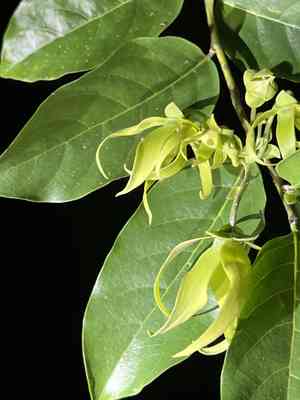
Cananga (Cananga) (Cananga)
Also known as: Ylang-ylang
The *Santalum* genus includes several tree species native to the Indo-Pacific region. These trees are valued for their fragrant essential oils, which are commonly used in perfumes. Additionally, their wood is often utilized for creating small woodworking items. The trees also play a role in attracting various bird species.
In This Article
Attributes of Cananga (Cananga)
Lifespan
Perennial
Plant Height
10-15 meters
Spread
5-8 meters
Leaf Color
Dark green
Flower Size
4-8 cm
Flower Color
Yellow, greenish-yellow
Images of Cananga (Cananga)
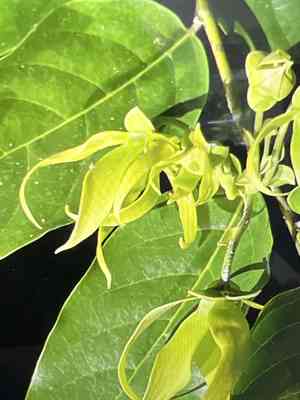
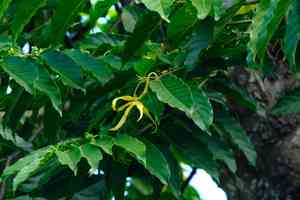
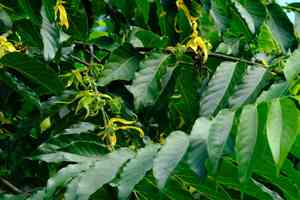
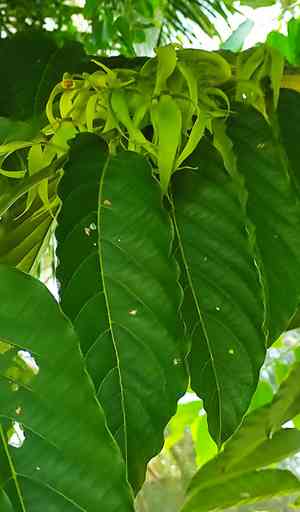
Quickly Identify Cananga (Cananga)
1
To identify Cananga, look for its elongated, drooping yellow to greenish flowers with a strong, sweet fragrance. The leaves are glossy, dark green, and oval-shaped.
Scientific Classification of Cananga (Cananga)
Phylum
Magnoliophyta
Class
Magnoliopsida
Order
Magnoliales
Family
Annonaceae
Genus
Cananga
Planting and Growing of Cananga (Cananga)
Care Difficulty
Moderate
Watering Schedule
Every 2 days
Sunlight Requirements
Partial sun
Sunshine Duration
4-6 hours
Ideal Temperature
68-86℉
Soil Type
Potting Mix, Peat Mix
Soil pH
6-7.5
Fertilizer Type
Balanced
Pruning Season
Spring, Summer
Pruning Area
Branches, Leaves
Pruning Frequency
2 times a year
Repotting Season
Spring
Pot Type
Plastic, Terracotta
 How to Water Cananga (Cananga)?
For optimal growth, Cananga requires moderate watering of about 500 milliliters per session. The key principle is to ensure the soil is consistently moist but not waterlogged, allowing the top inch of soil to dry slightly between sessions.
What are the symptoms of an underwatered Cananga (Cananga)?
›
What should I do if my Cananga (Cananga) is not getting enough water?
›
What are the symptoms of an overwatered Cananga (Cananga)?
›
How to save an overwatered Cananga (Cananga)?
›
 What Are the Sunlight Requirements for Cananga (Cananga)?
Partial sun is optimal; this mid-range exposure supports healthy foliage and flower development, crucial for the Cananga's ornamental and aromatic qualities.
What is the ideal lighting condition?
›
How can you achieve ideal lighting for Cananga?
›
What are the benefits of ideal lighting for Cananga?
›
 What Is the Ideal Temperature Range for Cananga (Cananga)?
The ideal temperature range for Cananga, between 68°F and 86°F, helps ensure optimal growth and flowering. This range mimics the plant's natural tropical environment, supporting its physiological processes and promoting robust health and longevity.
 What Soil is Best for Cananga (Cananga)?
Cananga plants thrive in well-draining soil, which prevents root rot by allowing excess water to escape efficiently. Selecting a loamy or sandy loam soil ensures that the plant's roots have access to the air and nutrients they require for optimal growth. Rich, fertile soil is ideal for Cananga, providing essential nutrients needed for lush foliage and vibrant blooms. Incorporating organic matter, like compost, into the soil helps retain moisture while delivering necessary food for the plant. The soil should retain enough moisture to keep the roots hydrated but not too much to cause waterlogging. Sandy loam offers a perfect balance, ensuring plants receive the adequate water they need without suffocation of the roots.
 How to Fertilize Cananga (Cananga)?
For Cananga, the amount of fertilizer depends on its growth phase. During active growth, a balanced fertilizer with a ratio like 10-10-10 should be used at half the recommended strength. Ensure not to over-fertilize, aiming for about 1/4 cup for liquid fertilizers per application for mature trees.
 How to Prune Cananga (Cananga)?
Using the correct tools for pruning Cananga is essential for precision and plant health. Sharp pruning shears or saws should be your go-to tools in ensuring clean cuts. Clean tools before and after use to avoid transmitting diseases between plants. Consider using loppers for thicker branches that cannot be tackled by mere shears. The right tool not only ensures a clean cut but also minimizes damage to the plant. Although Cananga can be pruned in Spring, Summer, or Autumn, the most favorable time is during its dormancy in late winter or early spring before active growth starts. This timing allows the plant to recover quickly and reduces stress. Pruning during harsh summer or fall conditions might expose the plant to unwarranted stress and delay recovery.
 How to Propagate Cananga (Cananga) plant?
1
Collect seeds from mature Cananga fruits and clean them to remove any pulp. Soak the seeds in water for 24 hours to enhance germination before planting them in a well-draining mix.
2
Select healthy, semi-hardwood stems for cuttings. Cut a 6-8 inch section just below a leaf node and remove the lower leaves to reduce moisture loss.
3
Choose a low, flexible branch that can reach the ground. Wound the stem and anchor it slightly below ground level, ensuring consistent moisture for successful root development.
 How to Repot Cananga (Cananga) plant?
1
Cananga trees signal their need for repotting when roots begin to grow out of the drainage holes or when growth appears stunted. Spring and early summer provide the ideal climate for repotting, as the plant is in its active growth phase, allowing for optimal recovery and acclimatization to a fresh environment.
2
Select a pot that is one size larger to ensure space for new root growth. Ceramic or clay pots are ideal due to their breathability, preventing waterlogging in the humid conditions Cananga prefers. A well-chosen pot promotes healthier roots and boosts overall plant vigor.
3
Opt for a loamy, free-draining soil mix that mimics Cananga's natural habitat. A mixture of potting soil, sand, and organic compost will enhance drainage while providing essential nutrients, benefiting root aeration and preventing fungal diseases.
Learn More About Cananga (Cananga) Diseases
Anthracnose
Bacterial Leaf Spot
Bacterial Soft Rot
Bacterial Wilt
Black Spot
Chemical Injury
Crown Gall
Damping-off
Downy Mildew
Drought Stress
Fusarium Wilt
Gray Mold
Leaf Spot
Mosaic
Nutrient Deficiency
Nutrient Toxicity
Powdery Mildew
Root Rot
Root-knot Nematode
Rusts
Sooty Mold
Spider Mites
Temperature Stress
Thrips Damage
White Mold

