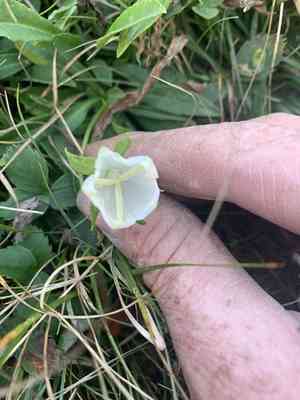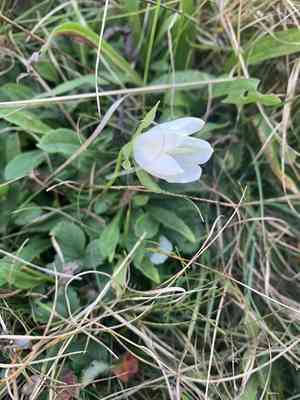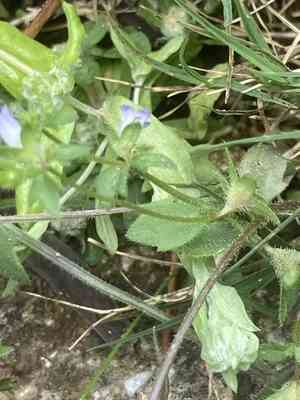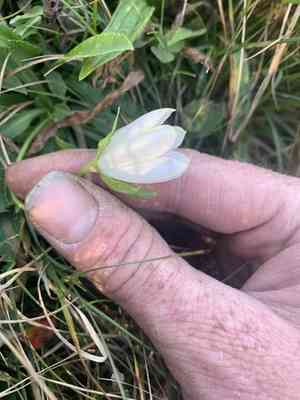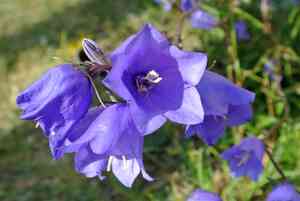
Bellflowers (Campanula)(Campanula)

Bellflowers (Campanula) (Campanula)

Also known as: Bellflower, Bluebell

Bellflowers, scientifically known as Campanula, are a diverse group of flowering plants characterized by their distinctive bell-shaped blooms. They primarily display shades of blue, purple, white, and pink. Here are some notable features and advantages of adding bellflowers to your garden:

1. **Diverse Varieties**: With numerous species available, bellflowers can suit different garden aesthetics and requirements.
2. **Extended Bloom Time**: Many varieties offer a prolonged blooming period from late spring through early fall, adding persistent color to your garden.
3. **Pollinator Friendly**: These flowers attract beneficial insects like bees and butterflies, aiding in the pollination of other plants.
4. **Easy Care**: Bellflowers are generally low-maintenance, making them an excellent choice for both novice and experienced gardeners.
5. **Versatile Planting Options**: They thrive in various settings, including borders, rockeries, and containers.
6. **Hardiness**: Many bellflower species are resilient, thriving in various climates and soil types.
7. **Wildlife Resistant**: They are typically resistant to deer and rabbits, reducing the risk of pest damage.

By incorporating bellflowers into your garden, you can enjoy their vibrant blooms and the ecological benefits they bring, all with relatively little effort.

Attributes of Bellflowers (Campanula)

Lifespan
Annual, Biennial, Perennial
Plant Height
90 cm
Spread
1 m
Leaf Color
Green
Flower Size
2-5 cm
Flower Color
Blue, White, Purple

ForwardPlant - Identify plants with a snap

Identify and diagnose plants, get toxicity alerts, and explore safety guides for all types of fungi.

Try for Free

Images of Bellflowers (Campanula)

Bellflowers (Campanula)(Campanula)

Quickly Identify Bellflowers (Campanula)

1
Look for bell-shaped, nodding flowers that are usually blue, but can also be white or purple. Leaves are typically lance-shaped, with toothed margins. Plants often have a rosette of basal leaves.

Scientific Classification of Bellflowers (Campanula)

Phylum
Magnoliophyta
Class
Magnoliopsida
Order
Asterales
Family
Campanulaceae
Genus
Campanula

Planting and Growing of Bellflowers (Campanula)

Care Difficulty
Easy
Watering Schedule
Every 8 days
Sunlight Requirements
Partial sun
Sunshine Duration
4-8 hours
Ideal Temperature
60-75℉
Soil Type
Potting Mix, Peat Mix
Soil pH
6.5-7.5
Fertilizer Type
Balanced
Pruning Season
Spring, Summer
Pruning Area
Branches, Leaves
Pruning Frequency
2 times a year
Repotting Season
Spring
Pot Type
Plastic, Ceramic

water icon How to Water Bellflowers (Campanula)?

For Campanula, ensure the soil is evenly moist but not soggy. The water amount should be around 250 ml until the top layers are wet but not pooling. Always allow the top inch of the soil to dry out slightly before re-watering.
What are the symptoms of an underwatered Bellflowers (Campanula)?
What should I do if my Bellflowers (Campanula) is not getting enough water?
What are the symptoms of an overwatered Bellflowers (Campanula)?
How to save an overwatered Bellflowers (Campanula)?

sunlight icon What Are the Sunlight Requirements for Bellflowers (Campanula)?

Sunlight Requirements: Partial sun, Full sun
Duration of light: 4 to 6 hours
Partial sun and full sun exposure ensure Campanula's optimal growth. Ideal lighting encourages robust plant development, dense flowering, and overall vitality, providing the energy required for photosynthesis.
What type of sunlight does Campanula prefer?
How can I ensure my Campanula receives the ideal amount of light?
What are the benefits when Campanula receives ideal lighting?

temperature icon What Is the Ideal Temperature Range for Bellflowers (Campanula)?

Ideal Temperature: 60 ~ 75℉
Campanula thrives best in temperatures ranging from 60 to 75°F. This range ensures optimal photosynthesis and growth, providing the plant with the best conditions to flourish.

soil icon What Soil is Best for Bellflowers (Campanula)?

Soil type: Loam, Sandy loam
Soil PH: 6.5 ~ 7.5
Campanula thrives in well-draining soil which helps prevent root rot by allowing excess water to escape, thus keeping the roots healthy. A balance of moisture and air is essential for its growth. A nutrient-rich soil ensures that Campanula receives the necessary minerals and organic matter for robust growth and flowering. Regular additions of compost can enhance soil fertility, providing the nutrients needed for vibrant blooms. Soil that retains moderate moisture helps maintain the hydration levels required by Campanula without causing waterlogging. This is crucial for sustaining its lush green foliage and supporting the metabolic processes.

fertilize icon How to Fertilize Bellflowers (Campanula)?

Fertilizer type: Balanced
Campanula plants prefer a balanced approach to feeding. When using liquid fertilizers, dilute the solution to half the recommended strength to prevent root burn. Over-concentration can harm delicate roots and leaves, while under-concentration won't provide adequate nutrients required for growth and blooming.

prune icon How to Prune Bellflowers (Campanula)?

Pruning Time: Spring, Summer
Start by examining the plant closely to identify any dead, damaged, or diseased stems. These should be your priority when pruning since removing them will help the plant redirect energy towards healthy growth. Trim the plant to maintain its desired shape, focusing on creating a balanced appearance. Cut back new growth to encourage a bushier form, and ensure that sunlight can reach the interior branches to foster a healthier plant overall. After pruning, water the Campanula plant to reduce stress and support recovery. Consider applying a balanced fertilizer to promote new growth, while monitoring the plant for any signs of stress or disease following your pruning.

propagate icon How to Propagate Bellflowers (Campanula) plant?

Propagate Time: Spring, Early spring, Late spring
1
Select the appropriate propagation method based on the Campanula species. Seed propagation is suitable for getting a large number of plants in spring. Cutting and division propagation are ideal when wanting to propagate identical plants quickly and effectively.
2
For seed propagation, use a well-draining mix with equal parts of peat and perlite or sand. For cuttings, a mix of half peat and half perlite works well. Ensure the medium is moist but not waterlogged before planting.
3
Place seeds on the surface of the medium and lightly cover with soil for seed propagation. For cuttings, insert them into the medium and gently firm around the base. Keep the medium consistently moist and provide indirect light if starting indoors.

repot icon How to Repot Bellflowers (Campanula) plant?

Repotting frequency: Every 2 years
1
Repot your Campanula when you notice roots coming out of the drainage holes or when growth seems stunted. These signs indicate that the plant has outgrown its pot and requires more space to flourish. Typically, this happens every couple of years.
2
Select a new pot that is one size larger than the current one, ensuring it has drainage holes to prevent waterlogging. A pot with a slightly wider rim will also help support the plant's trailing growth, providing stability and promoting healthy development.
3
Opt for a well-draining potting mix that retains moisture but doesn’t become waterlogged. This will ensure your Campanula's roots have access to both air and water, promoting strong, healthy growth and preventing root rot.

ForwardPlant - Identify plants with a snap

Find the best spots for them to optimize their health, simply using your phone.

Try for Free