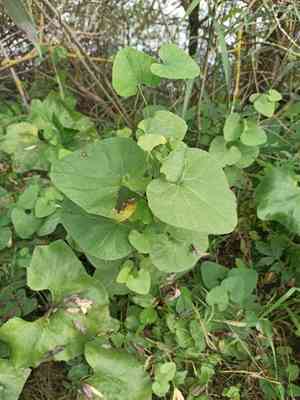
Birthwort (Aristolochia clematitis)
Also known as: European birthwort, Pipevine
Birthwort (Aristolochia clematitis) originates from Central and Southern Europe and has also spread to other regions, including North America. The plant features heart-shaped leaves and yellow-green flowers that emit a strong odor, which attracts insects. These insects become trapped by small hairs inside the tubular flowers, aiding in the plant's pollination process rather than digestion. Despite its historical use in traditional medicine, Birthwort contains toxic aristolochic acids, making it harmful for human consumption.
In This Article
Attributes of Birthwort
Lifespan
Perennial
Plant Type
Herb, Vine
Plant Height
61 cm to 91 cm
Spread
60 cm to 90 cm
Leaf Color
Green
Flower Size
2.5 cm
Flower Color
Yellow
Images of Birthwort
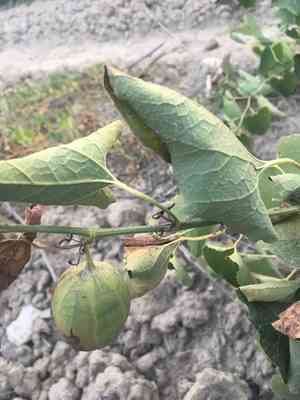
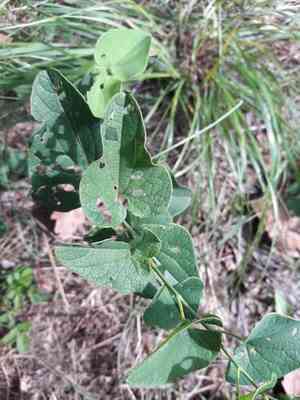
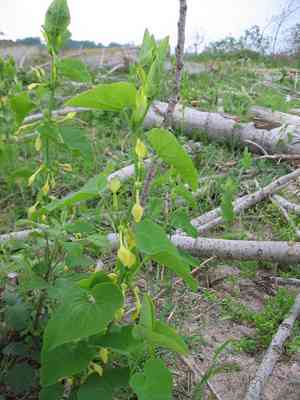
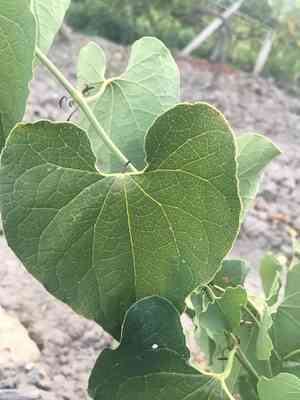
Quickly Identify Birthwort
1
Identifying Aristolochia clematitis involves looking for its distinctive heart-shaped leaves and yellow tubular flowers. It tends to grow in damp, shaded areas and can be identified by its climbing or scrambling growth habit.
Scientific Classification of Birthwort
Phylum
Vascular plants
Class
Dicotyledons
Order
Piperales
Family
Birthwort
Genus
Aristolochia
Species
Birthwort
Planting and Growing of Birthwort
Care Difficulty
Easy
Watering Schedule
Every 2 days
Sunlight Requirements
Partial sun
Sunshine Duration
6-10 hours
Ideal Temperature
60-75℉
Soil Type
Potting Mix, Peat Mix
Soil pH
6.5-7.5
Fertilizer Type
Balanced
Pruning Season
Spring, Summer
Pruning Area
Branches, Leaves
Pruning Frequency
2 times a year
Repotting Season
Spring
Pot Type
Plastic, Terracotta
 How to Water Birthwort?
Aristolochia clematitis prefers consistent moisture without being waterlogged. To achieve this, 500 ml of water is often sufficient, ensuring the soil is thoroughly moist but not soggy. Follow the one-inch rule: water until about one inch of soil is moist.
What are the symptoms of an underwatered Birthwort?
›
What should I do if my Birthwort is not getting enough water?
›
What are the symptoms of an overwatered Birthwort?
›
How to save an overwatered Birthwort?
›
 What Are the Sunlight Requirements for Birthwort?
Partial or full sunlight conditions benefit Aristolochia clematitis by supporting vibrant growth and abundant flowering. Ideal light ensures balanced energy distribution for photosynthesis, boosting plant health and visual beauty.
More About Sunlight Requirements Techniques→
Where should Aristolochia clematitis be placed?
›
How can you adjust light exposure for Aristolochia clematitis?
›
What benefits does ideal light offer Aristolochia clematitis?
›
 What Is the Ideal Temperature Range for Birthwort?
The ideal temperature range for cultivating Aristolochia clematitis is between 60°F and 75°F. This range supports optimal growth by providing a mild climate that mimics the plant's native conditions. Maintaining stable temperatures within this range helps ensure robust foliage development and healthy root systems.
 What Soil is Best for Birthwort?
Aristolochia clematitis thrives in well-drained soil which prevents waterlogging, thereby reducing the risk of root rot and other moisture-related diseases. The plant prefers soil that is rich in nutrients to support its vigorous growth. Nutrient-rich soil supplies essential elements that enhance its lush foliage and blooming potential. This species does well in soil with moderate moisture levels, which supports healthy hydration levels without the risk of water stress or dehydration, critical for optimal growth.
 How to Fertilize Birthwort?
When fertilizing Aristolochia clematitis, use a balanced 10-10-10 fertilizer. For liquid fertilization, dilute at a rate of 1 teaspoon per gallon of water, ensuring even distribution in the soil. Overapplication can lead to nutrient burn.
 How to Prune Birthwort?
Start by inspecting the plant for any dead or damaged stems. Use sharp pruning shears to remove these parts to encourage new growth. Then, trim back any overgrown sections to maintain the desired shape. Focus on cutting just above a leaf node to stimulate new growth. For older plants that need rejuvenation, cut back about one-third of the stems to the base. This drastic method can invigorate older plants and encourage a flush of new, healthy growth. Reserve this method for early spring before new growth begins.
More About Pruning Techniques→
 How to Propagate Birthwort plant?
1
Fill seed trays with a well-draining soil mix. Sprinkle Aristolochia clematitis seeds on top and cover them lightly with soil. Keep the soil consistently moist and provide indirect sunlight until seedlings appear.
2
Select healthy roots during early summer. Use a sharp knife to cut 2-3 inch segments, ensuring each segment has a healthy root tip. Dust the cuts with rooting hormone to promote growth.
3
Place root cuttings horizontally in a tray with a mix of sand and compost. Cover lightly with the mix, water them, and keep in a warm environment. Maintain high humidity until roots establish.
 How to Repot Birthwort plant?
1
Aristolochia clematitis needs repotting when you notice roots coming out of the drainage holes or when growth slows despite adequate care. These signals typically indicate that the plant has outgrown its current pot and needs more space to thrive.
2
Choose a pot that is slightly larger than the current one, ideally with sufficient drainage holes to prevent water from pooling at the bottom. A well-chosen pot promotes healthy root growth by providing enough space and ensures proper water drainage, reducing the risk of root rot.
3
Opt for a well-draining potting mix, rich in organic matter to support the plant's nutritional needs. Such soil allows excess water to escape, providing oxygen to the roots, which is crucial for maintaining optimal growth conditions for Aristolochia clematitis.
Toxicity
Ingestion of plant parts, especially roots and seeds
WARNING
The judgment on toxicity and danger is for reference only. We DO NOT GUARANTEE any accuracy of such judgment. Therefore, you SHALL NOT rely on such judgment. It is IMPORTANT TO SEEK PROFESSIONAL ADVICE in advance when necessary.
Learn More About Birthwort Diseases
Anthracnose
Bacterial Leaf Spot
Bacterial Wilt
Black Spot
Chemical Injury
Crown Gall
Cyst Nematode
Damping-off
Downy Mildew
Drought Stress
Fusarium Wilt
Gray Mold
Leaf Curl
Leaf Spot
Mosaic
Nutrient Deficiency
Nutrient Toxicity
Powdery Mildew
Root Rot
Root-knot Nematode
Rusts
Sooty Mold
Spider Mites
Temperature Stress
Thrips Damage
White Mold



