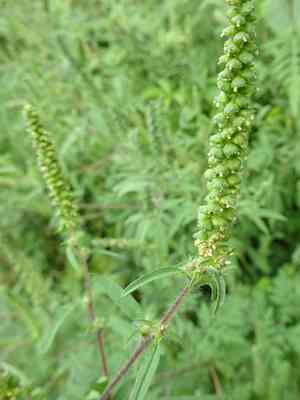
Annual ragweed (Ambrosia artemisiifolia)
Also known as: Common ragweed, Tassel weed
Annual ragweed (Ambrosia artemisiifolia) is a highly troublesome weed globally. This annual herb releases highly allergenic pollen and spreads aggressively. Its competitive nature makes it particularly unwelcome in cultivated fields, as it can significantly hinder crop growth and productivity.
Attributes of Annual ragweed
Images of Annual ragweed
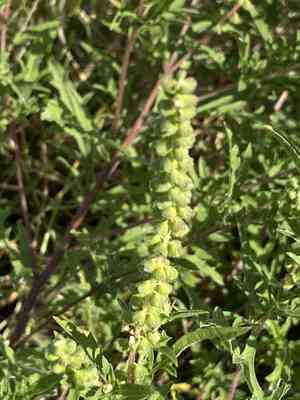
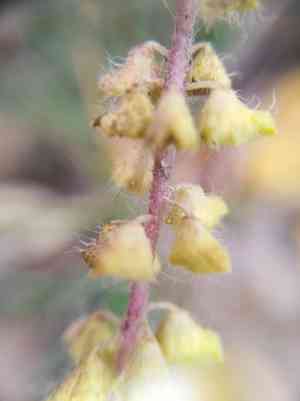
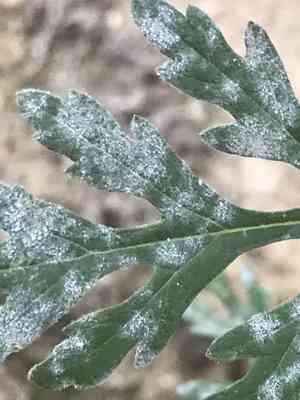
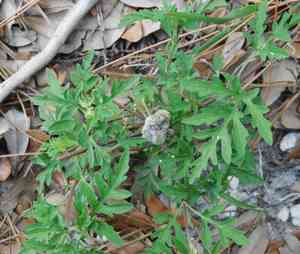
Quickly Identify Annual ragweed
Scientific Classification of Annual ragweed
Planting and Growing of Annual ragweed
 How to Water Annual ragweed?
 What Are the Sunlight Requirements for Annual ragweed?
 What Is the Ideal Temperature Range for Annual ragweed?
 What Soil is Best for Annual ragweed?
 How to Fertilize Annual ragweed?
 How to Prune Annual ragweed?
 How to Propagate Annual ragweed plant?
 How to Repot Annual ragweed plant?
Toxicity of Annual ragweed
Is Annual ragweed toxic to cat?
Annual ragweed is recognized as hazardous to felines. Cats may unknowingly consume this plant, with its sap, juice, and pollen being especially detrimental. Encountering annual ragweed can result in signs of bodily distress, suggesting that immediate veterinary attention is crucial. If poisoning is suspected, it is vital to obtain treatment at a veterinary facility without delay to safeguard the health of the impacted cat.
Is Annual ragweed toxic to dog?
Annual ragweed is recognized as toxic for dogs. Canines can suffer poisoning from this plant if they inadvertently consume it. The main toxic components of annual ragweed include its sap, juice, and pollen, which can create hazards when ingested or upon contact with the dog's skin or mucous membranes. Following exposure to annual ragweed, dogs may display symptoms such as skin irritation, gastrointestinal distress, or respiratory complications. It is essential for dog owners to remain alert and keep their pets away from areas where annual ragweed flourishes. If a dog does ingest or come into contact with annual ragweed, it is crucial to seek prompt veterinary assistance to ensure the best possible outcome for the affected animal.



