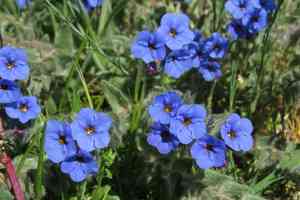
Dyer's alkanet (Alkanna tinctoria)
Also known as: Dyers' bugloss, Spanish bugloss
The plant you're referring to is dyer's alkanet (Alkanna tinctoria). Its roots have been historically utilized to produce a red dye, which has been used in various applications such as wood stains, lipsticks, and even modern pharmaceuticals. This plant features five-petaled flowers that exhibit shades of purple to blue and typically blossom in the spring.
In This Article
Attributes of Dyer's alkanet
Lifespan
Perennial
Plant Type
Herb
Plant Height
20 cm
Spread
30 cm
Leaf Color
Green
Flower Size
5 mm to 8 mm
Flower Color
Purple Blue
Images of Dyer's alkanet
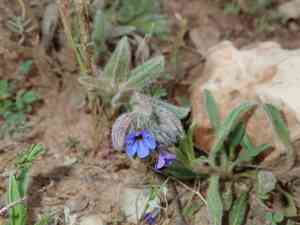
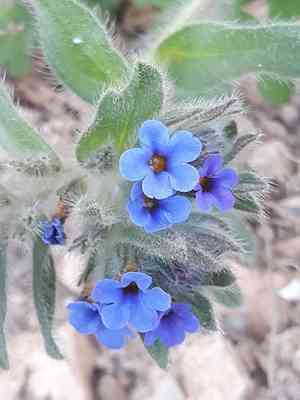
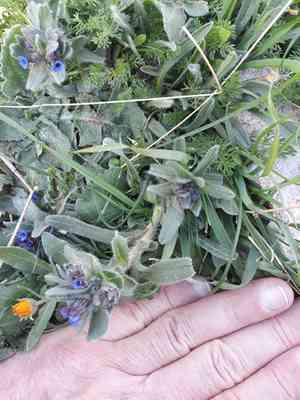
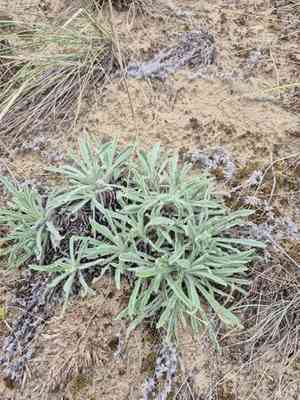
Quickly Identify Dyer's alkanet
1
Alkanna tinctoria can be identified by its rough, hairy leaves and bright blue to purple flowers. The plant has a deep red root, which is a notable characteristic.
Scientific Classification of Dyer's alkanet
Phylum
Vascular plants
Class
Dicotyledons
Order
Boraginales
Family
Borage
Genus
Alkanna
Species
Dyer's alkanet
Planting and Growing of Dyer's alkanet
Care Difficulty
Easy
Watering Schedule
Every day
Sunlight Requirements
Full sun
Sunshine Duration
4-8 hours
Ideal Temperature
60-75℉
Soil Type
Potting Mix, Peat Mix
Soil pH
6.5-7.5
Fertilizer Type
Balanced
Pruning Season
Spring, Summer
Pruning Area
Branches, Leaves
Pruning Frequency
2 times a year
Repotting Season
Spring
Pot Type
Plastic, Ceramic
 How to Water Dyer's alkanet?
Alkanna tinctoria, also known as dyer's alkanet, prefers its soil to be moderately moist but not waterlogged. When watering, aim for about 250 milliliters to ensure the soil is damp but not soaked. This careful balance helps prevent root rot while supporting healthy growth.
What are the symptoms of an underwatered Dyer's alkanet?
›
What should I do if my Dyer's alkanet is not getting enough water?
›
What are the symptoms of an overwatered Dyer's alkanet?
›
How to save an overwatered Dyer's alkanet?
›
 What Are the Sunlight Requirements for Dyer's alkanet?
Aim for full sun to partial sun exposure. Ensuring Alkanna tinctoria receives adequate light enhances its ability to produce vibrant blue and purple flowers, supporting overall plant vitality and resilience.
How much sunlight does Alkanna tinctoria need?
›
What happens if it doesn't get enough light?
›
How to provide ideal lighting for Alkanna tinctoria?
›
 What Is the Ideal Temperature Range for Dyer's alkanet?
Alkanna tinctoria thrives best under temperatures between 60°F and 75°F. This moderate range supports optimal growth and pigment production. Consistent exposure to these ideal temperatures ensures that the plant's physiological processes, such as photosynthesis and nutrient uptake, occur efficiently. When maintained within this range, the plant exhibits robust health and vibrant coloration, crucial for its use in dye production.
 What Soil is Best for Dyer's alkanet?
Alkanna tinctoria thrives best in soil with excellent drainage. This requirement ensures that the roots of the plant do not become waterlogged, which could lead to root rot and other moisture-related problems. Maintaining proper drainage helps enhance nutrient uptake and promotes vigorous growth. This plant prefers a nutrient-rich substrate to fuel its vibrant growth and flowering. A loamy soil, rich in organic content, can provide essential nutrients, enabling the plant to reach its full potential with lush foliage and vivid flowers. While Alkanna tinctoria prefers well-drained soils, a moderate level of moisture retention is also beneficial. Soils that hold some moisture without becoming waterlogged ensure that the plant’s water needs are met, particularly during periods of drought.
 How to Fertilize Dyer's alkanet?
Alkanna tinctoria requires a balanced approach to fertilization to thrive. Typically, a diluted liquid fertilizer with a 10-10-10 NPK ratio can be applied in moderation. Using too much may lead to over-fertilization while too little will not provide the necessary nutrients.
 How to Prune Dyer's alkanet?
When pruning Alkanna tinctoria, always start by sanitizing your pruning shears to prevent disease. Begin by removing any dead or damaged stems, cutting them back to the base of the plant. Trim back the plant's outer edges to maintain a compact shape, promoting a fuller appearance. Always make clean cuts at an angle to facilitate healing and minimize the risk of infection. Pay attention to any crossing or rubbing branches and remove them to prevent damage.
More About Pruning Techniques→
 How to Propagate Dyer's alkanet plant?
1
To propagate Alkanna tinctoria from seeds, start by soaking seeds in warm water for 24 hours to enhance germination. This step helps to soften the seed coat, making it easier for the seed to sprout.
2
Fill a seed tray with a well-draining seed starting mix. Sow the prepared seeds on the surface and lightly cover them with a thin layer of soil, then water gently to avoid displacing the seeds.
3
Select a healthy Alkanna tinctoria stem with several leaves and make a clean cut just below a node. Remove the lower leaves to reduce moisture loss and dip the cut end in rooting hormone to encourage root development.
 How to Repot Dyer's alkanet plant?
1
Look for signs like roots growing out of the drainage holes or the soil drying out too quickly. These indicate that Alkanna tinctoria needs more space or fresh soil. Spring or early summer is ideal as it aligns with the plant’s growth cycle, allowing it to settle in a new pot before blooming.
2
Select a pot slightly larger than the current one, with good drainage holes. A terracotta pot is great as it allows moisture to evaporate, preventing root rot. Ensure the pot has enough space for roots to grow but is not excessively large to avoid waterlogging.
3
Opt for well-draining, sandy loam soil to mimic its natural habitat. This type of soil prevents water from stagnating around the roots, reducing the risk of rot and providing good aeration, essential for healthy root development and nutrient uptake.
Toxicity
Ingestion
WARNING
The judgment on toxicity and danger is for reference only. We DO NOT GUARANTEE any accuracy of such judgment. Therefore, you SHALL NOT rely on such judgment. It is IMPORTANT TO SEEK PROFESSIONAL ADVICE in advance when necessary.
Learn More About Dyer's alkanet Diseases
Anthracnose
Bacterial Leaf Spot
Bacterial Soft Rot
Bacterial Wilt
Chemical Injury
Crown Gall
Cyst Nematode
Damping-off
Downy Mildew
Drought Stress
Fusarium Wilt
Gray Mold
Leaf Spot
Mosaic
Nutrient Deficiency
Nutrient Toxicity
Powdery Mildew
Root Rot
Root-knot Nematode
Rusts
Sooty Mold
Spider Mites
Temperature Stress
Thrips Damage
White Mold



