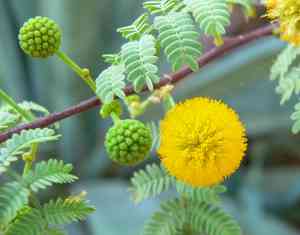
Hop wattle (Acacia stricta)
Also known as: Hop Wattle, Straight Wattle
The **Golden Wattle** (Acacia pycnantha) is a resilient shrub native to Australia, thriving in diverse climates and tolerating both drought and frost. This plant usually grows up to 4 meters tall and features dense, needle-like leaves. In the spring, it blooms with small, spherical yellow flowers, offering essential nourishment for local pollinators.
In This Article
Attributes of Hop wattle
Lifespan
Perennial
Plant Type
Shrub
Plant Height
Up to 4 meters
Spread
Up to 2 meters
Leaf Color
Green to bluish-green
Flower Size
Around 0.5 to 1 cm
Flower Color
Bright yellow
Images of Hop wattle
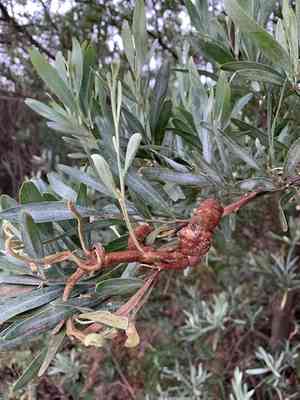
Quickly Identify Hop wattle
1
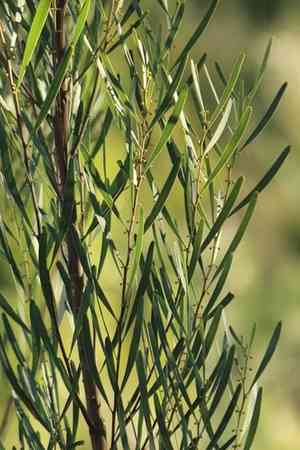
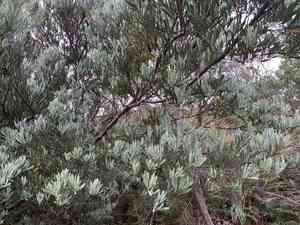
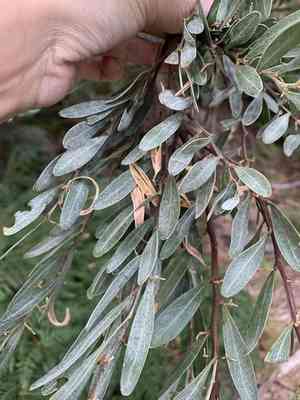
Acacia stricta can be identified by its upright growth habit and bright yellow, globular flower heads. The leaves are typically long, slender, and phyllode-like with a prominent mid-vein. The plant often forms dense foliage, which is green to bluish-green in color.
Scientific Classification of Hop wattle
Phylum
Vascular plants
Class
Dicotyledons
Order
Fabales
Family
Legume
Genus
Acacias
Species
Hop wattle
Planting and Growing of Hop wattle
Care Difficulty
Moderate
Watering Schedule
Every 3 days
Sunlight Requirements
Full sun
Sunshine Duration
6-12 hours
Ideal Temperature
60-75℉
Soil Type
Potting Mix, Peat Mix
Soil pH
6.5-7.5
Fertilizer Type
Balanced
Pruning Season
Spring, Summer
Pruning Area
Branches, Leaves
Pruning Frequency
2 times a year
Repotting Season
Spring
Pot Type
Plastic, Ceramic
 How to Water Hop wattle?
Acacia stricta requires about 500ml of water per session. This plant appreciates a thorough watering that allows the moisture to reach the root zone deeply. It is essential to ensure that excess water drains out, preventing waterlogging and ensuring moderate moisture levels in the soil.
What are the symptoms of an underwatered Hop wattle?
›
What should I do if my Hop wattle is not getting enough water?
›
What are the symptoms of an overwatered Hop wattle?
›
How to save an overwatered Hop wattle?
›
 What Are the Sunlight Requirements for Hop wattle?
An ideal light range for Acacia stricta includes full to partial sun. Proper sunlight encourages strong growth, lush foliage, and vibrant flowering, maximizing the plant's ornamental appeal in any garden setting.
Optimal daily sunlight duration
›
Solutions for ideal sunlight
›
Benefits of ideal lighting
›
 What Is the Ideal Temperature Range for Hop wattle?
The ideal temperature range for growing Acacia stricta is between 60 and 75 degrees Fahrenheit. This range allows the plant to thrive and maintain optimal growth. Maintaining consistent temperatures within this range supports healthy leaf development, nutrient uptake, and flowering. It is crucial to monitor the temperature conditions to ensure that the plant does not experience stress due to fluctuations outside this range.
 What Soil is Best for Hop wattle?
Acacia stricta thrives in soils that are rich in nutrients, providing the essential elements for strong growth and vibrant foliage. The presence of nutrients like nitrogen and phosphorous supports the plant's overall health and flowering potential. This plant prefers soils that offer excellent drainage, preventing water from accumulating around the roots. Well-draining soil reduces the risk of root rot and promotes healthy root systems, ensuring the plant can absorb nutrients efficiently. Acacia stricta benefits from soils that retain some moisture without becoming waterlogged. This balance helps maintain optimal hydration, crucial for sustaining the plant's growth during dry spells without the danger of overwatering.
 How to Fertilize Hop wattle?
When fertilizing Acacia stricta, it is crucial to avoid over-application. Use a balanced fertilizer with an NPK ratio of 10-10-10 or similar. Apply liquid fertilizer at half the strength recommended on the package to avoid causing root burn or excessive growth.
 How to Prune Hop wattle?
Begin by removing any dead or diseased branches, cutting at the base to promote healthy tissue growth. Trim back any overreaching branches to maintain a compact, aesthetically pleasing shape. Focus on maintaining an open canopy to facilitate light penetration and air circulation, which are vital for the plant's health. Acacia stricta can be shaped into a shrub or a small tree, depending on your garden design. When shaping, make cuts just above a bud or node to encourage new shoot development in the desired direction, adding fullness and maintaining symmetry.
More About Pruning Techniques→
 How to Propagate Hop wattle plant?
1
Collect ripe seeds from the Acacia stricta plant. Ripe seeds are usually found in mature pods that have become dry and brown. Gently extract the seeds without damaging them.
2
Prepare a well-draining potting mix with a combination of sand, perlite, and peat moss. This mixture helps promote proper aeration and drainage, which is crucial for seed germination and root development.
3
Select healthy, semi-hardwood cuttings from the plant. Cut a length of approximately 10-15 centimeters, ensuring at least three nodes. Remove the leaves from the lower half of the cutting.
 How to Repot Hop wattle plant?
1
Acacia stricta shows signs that it needs repotting when its roots start coming out of the drainage holes or when growth seems to slow down. Spring and autumn are ideal times for repotting as the plant is not in its most active or dormant phase, thus minimizing stress.
2
Choose a pot that is slightly larger, about 2-3 inches bigger in diameter than the current one. A pot with good drainage holes at the bottom is crucial to avoid waterlogging, which can lead to root rot.
3
Opt for a well-draining potting mix that retains some moisture but still allows airflow to the roots. A mix with sand or perlite can be beneficial, promoting healthy root growth and preventing overwatering.



