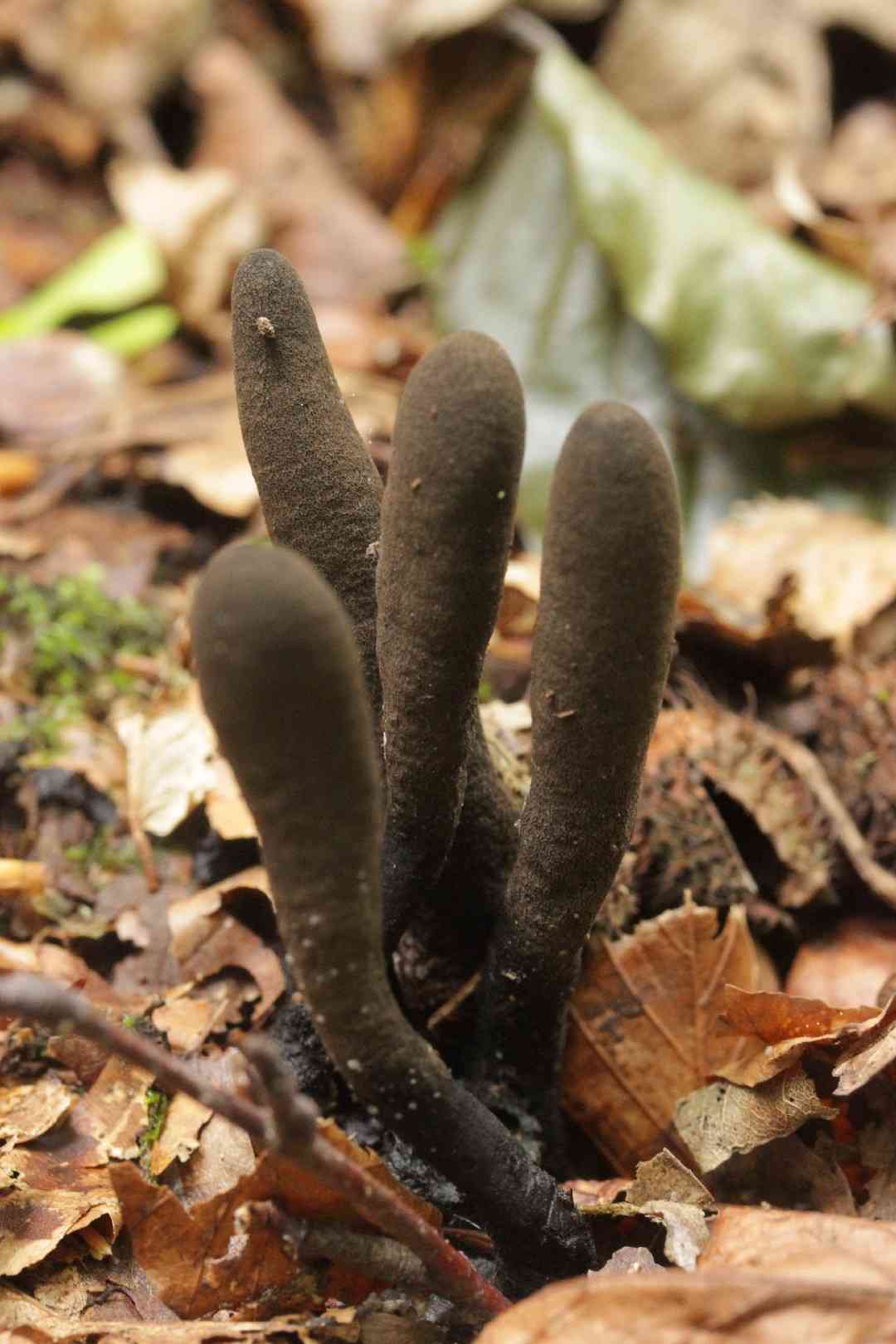
Dead moll's fingers
Xylaria longipes
A species of Xylaria.
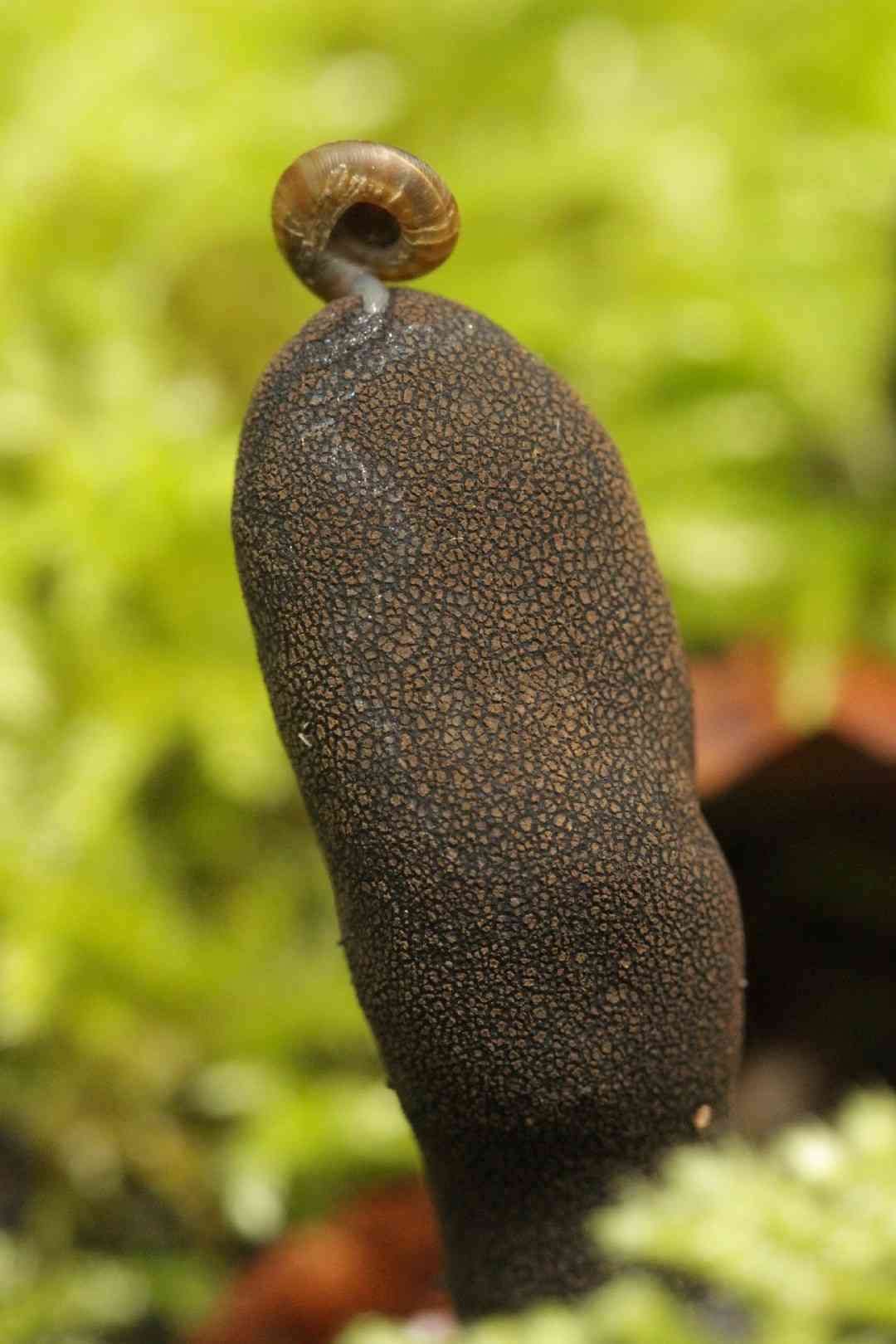
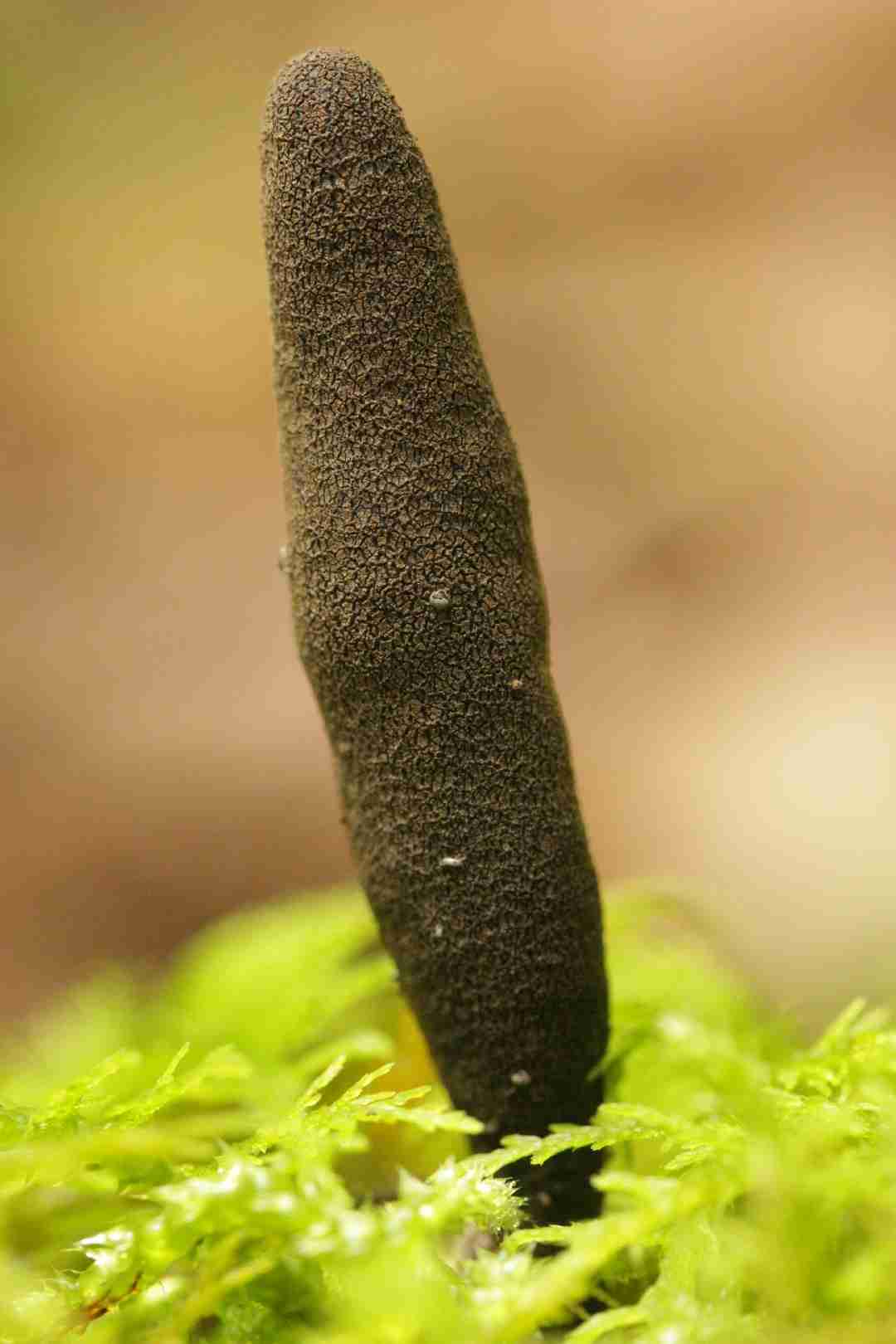
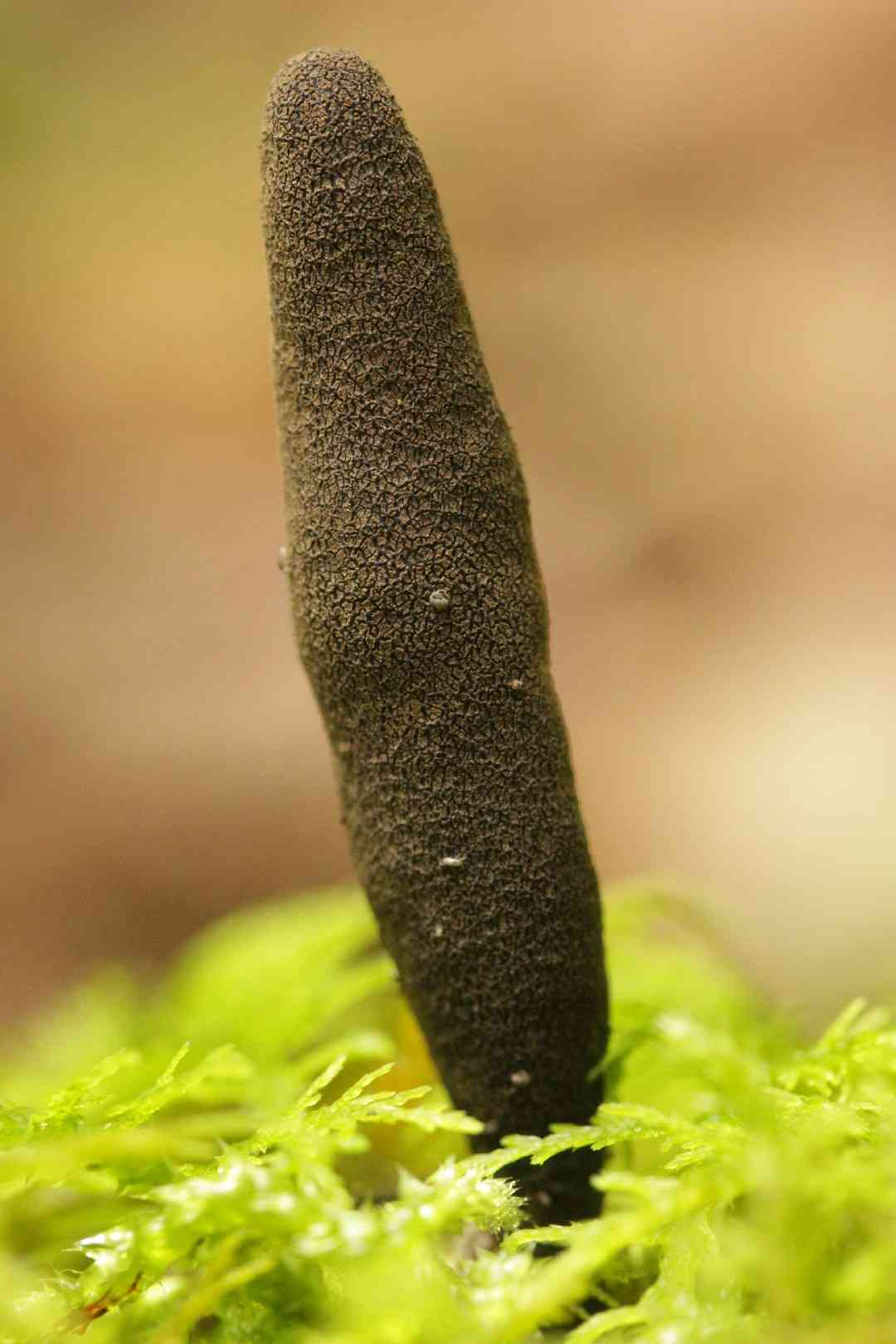
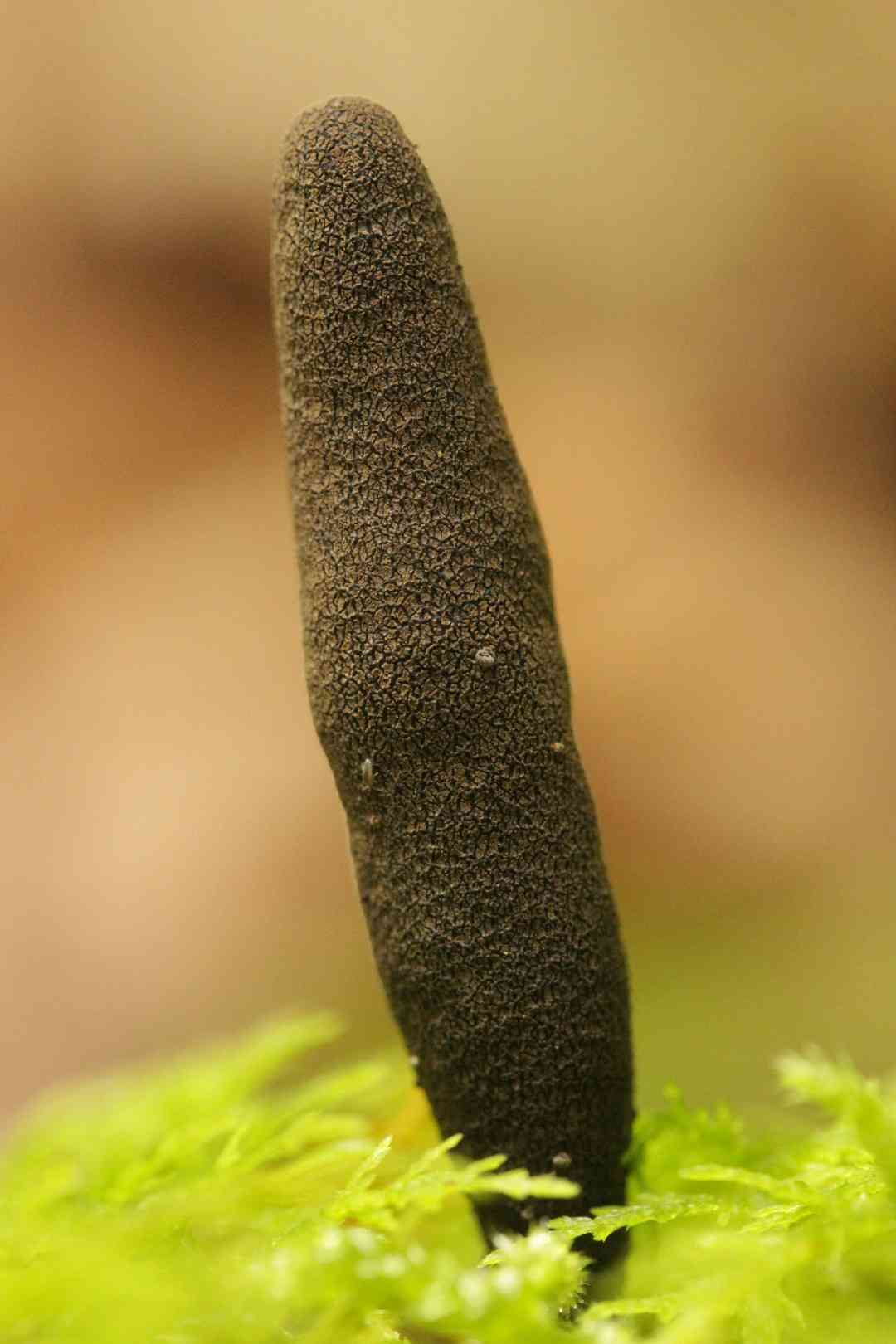
Xylaria longipes, commonly known as Dead moll's fingers, is a frequently encountered fungus in broadleaved forests across Europe and North America. Its moniker derives from its dark pigmentation and its distinctive finger-to-club-like morphology. This species typically produces its fruiting bodies from summer through autumn.
In This Article
Attributes of Dead moll's fingers
Height
2.5 - 7 cm
Cap
Club-shaped; grayish to brownish, dark brown to black; surface often becoming cracked and scaly with maturity
Stem
2.5 - 7 cm tall; club-shaped with a rounded tip; black, covered with black to rusty brown or reddish fuzz near the base
Stem Shapes
Club Shaped
Flesh
Rubbery, white
Ring
Ringless
Spore Print Color
Black
Odor
Subtle, indistinct, typically fungal.
Body Color
BrownBlackGray
Flesh Bruises
The flesh or milk does not discolor when bruised or cut.
Growth Form
Solitary, Gregarious
Nutrient Gathering
Saprophytic
Substrate
Dead Woods
You can find Dead moll's fingers by these plants
Sycamore, Maples
Occurence Habitats
Deciduous Woodland
Species Status
Common in the northeastern and midwestern United States
Endangered Species
No
Scientific Classification of Dead moll's fingers
Phylum
Sac fungi
Class
Sordariomycetes
Order
Xylariales
Family
Xylariaceae
Genus
Xylaria
Toxicity and Edibility of Dead moll's fingers
Is Dead moll's fingers Toxic?
Toxicity information is not available for this mushroom. Always consult with an expert before consuming any wild mushrooms.