Lilac bolete
Xanthoconium separans
A species of Xanthoconium.
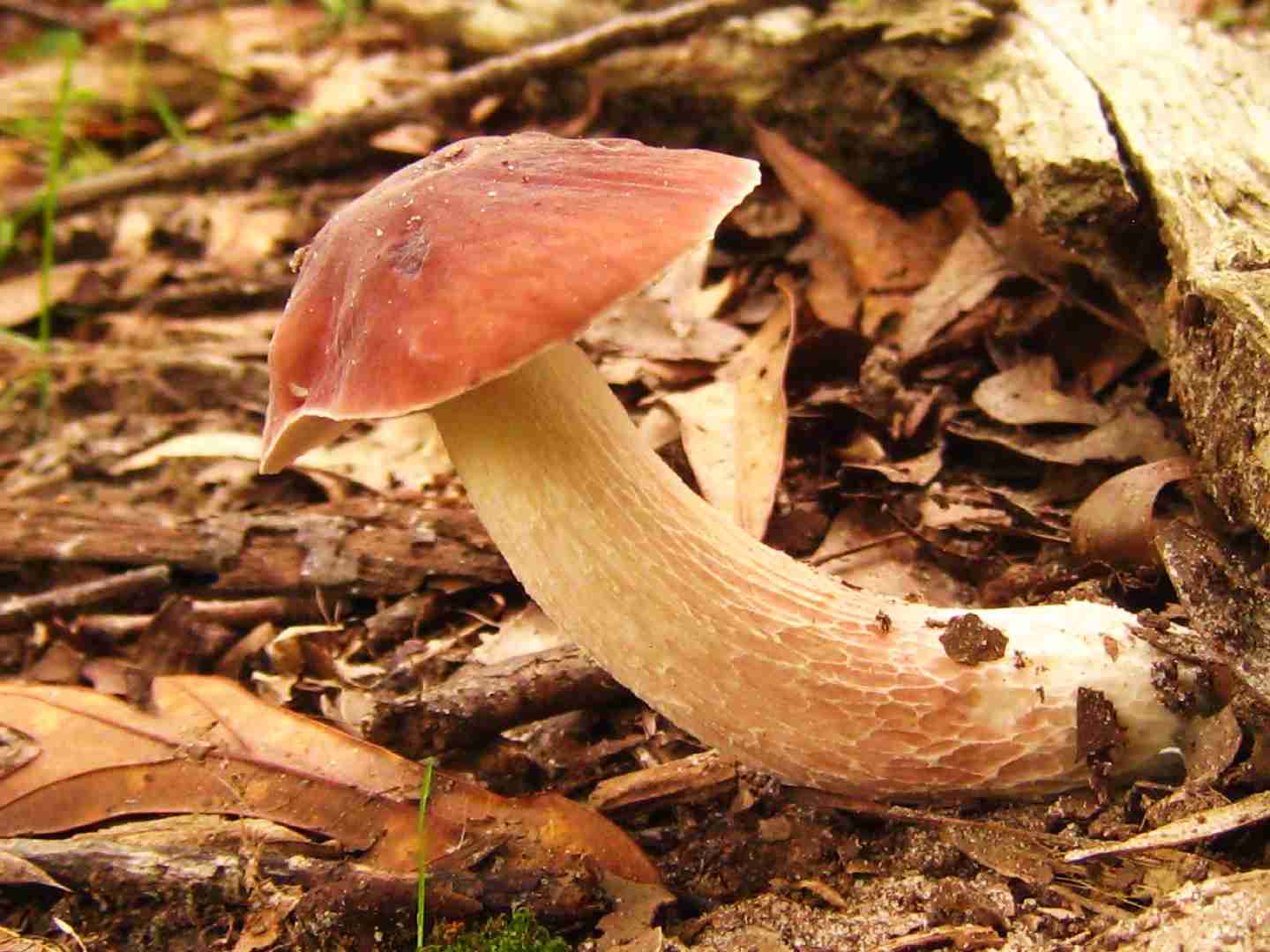
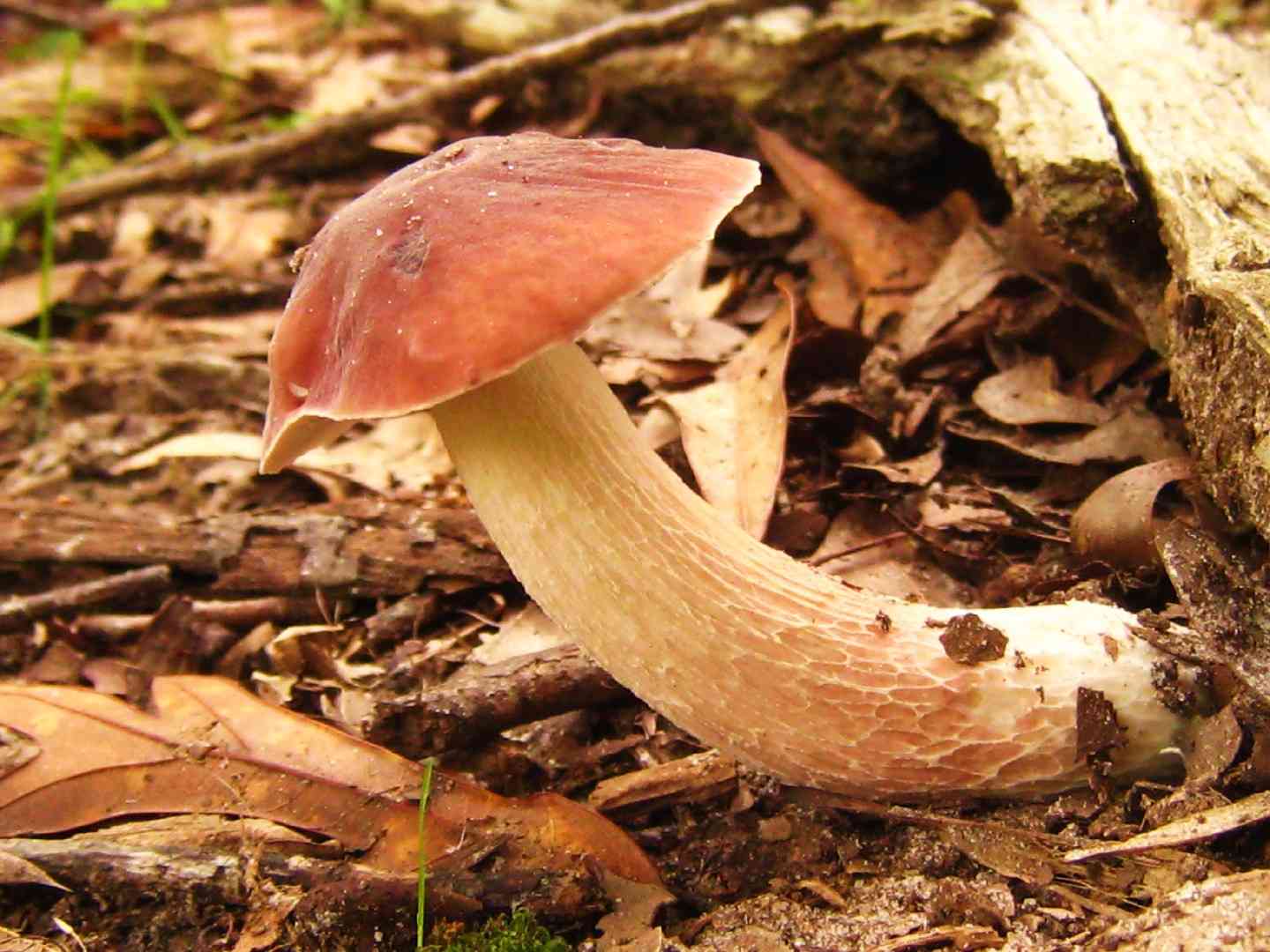
The Lilac bolete takes its name from the distinctive lilac and purple hues of its cap, though its color can vary somewhat. This species is closely related to the popular Cep (Boletus edulis), but distinctively, it develops a potent, disagreeable odor upon reaching full maturity.
In This Article
Attributes of Lilac bolete
Cap Diameter
4 - 20 cm
Cap
Cap 4 - 20 cm across; convex; lilac-brown, liver-red, ilac yellowish brown to golden
Stem
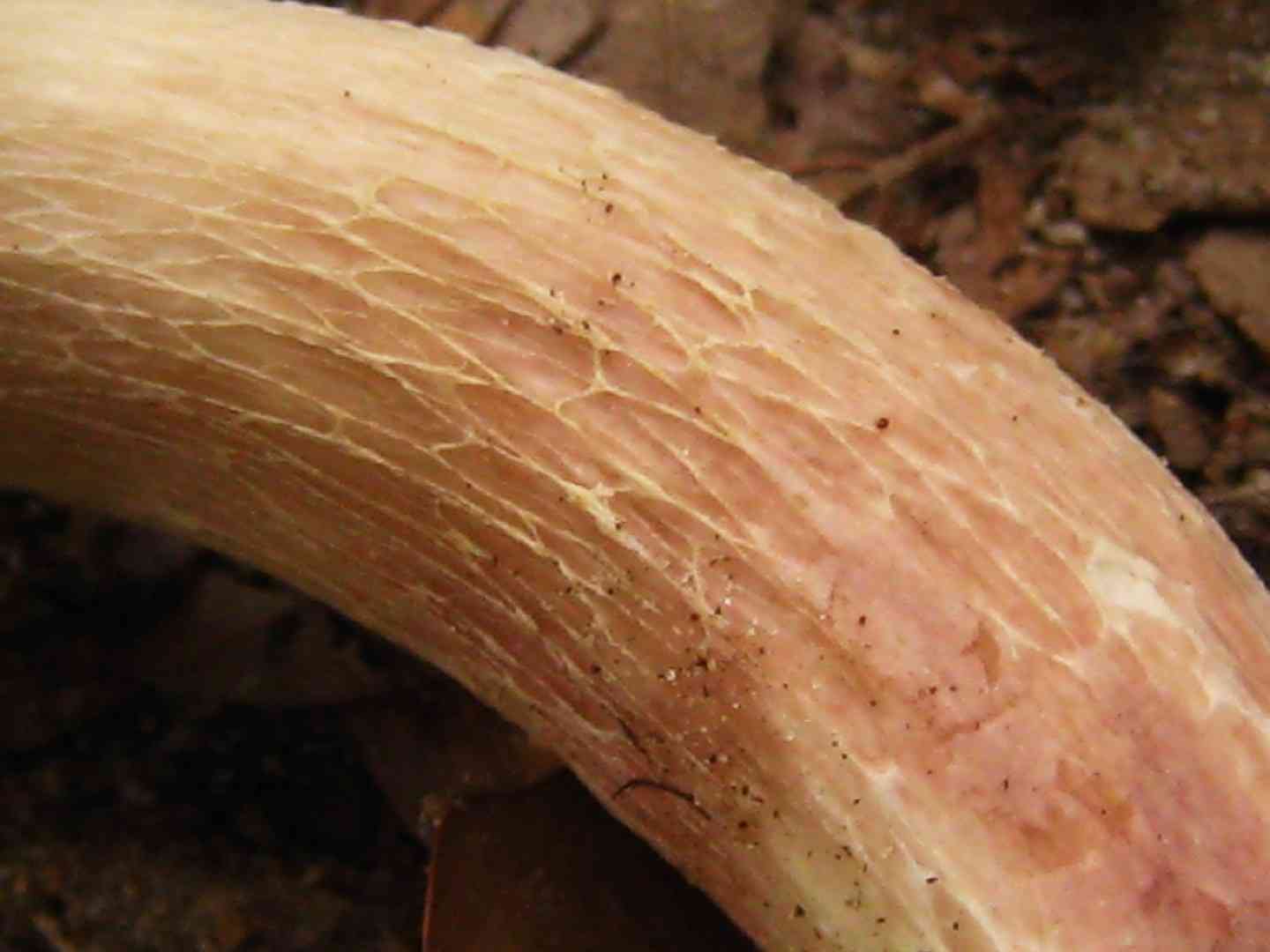
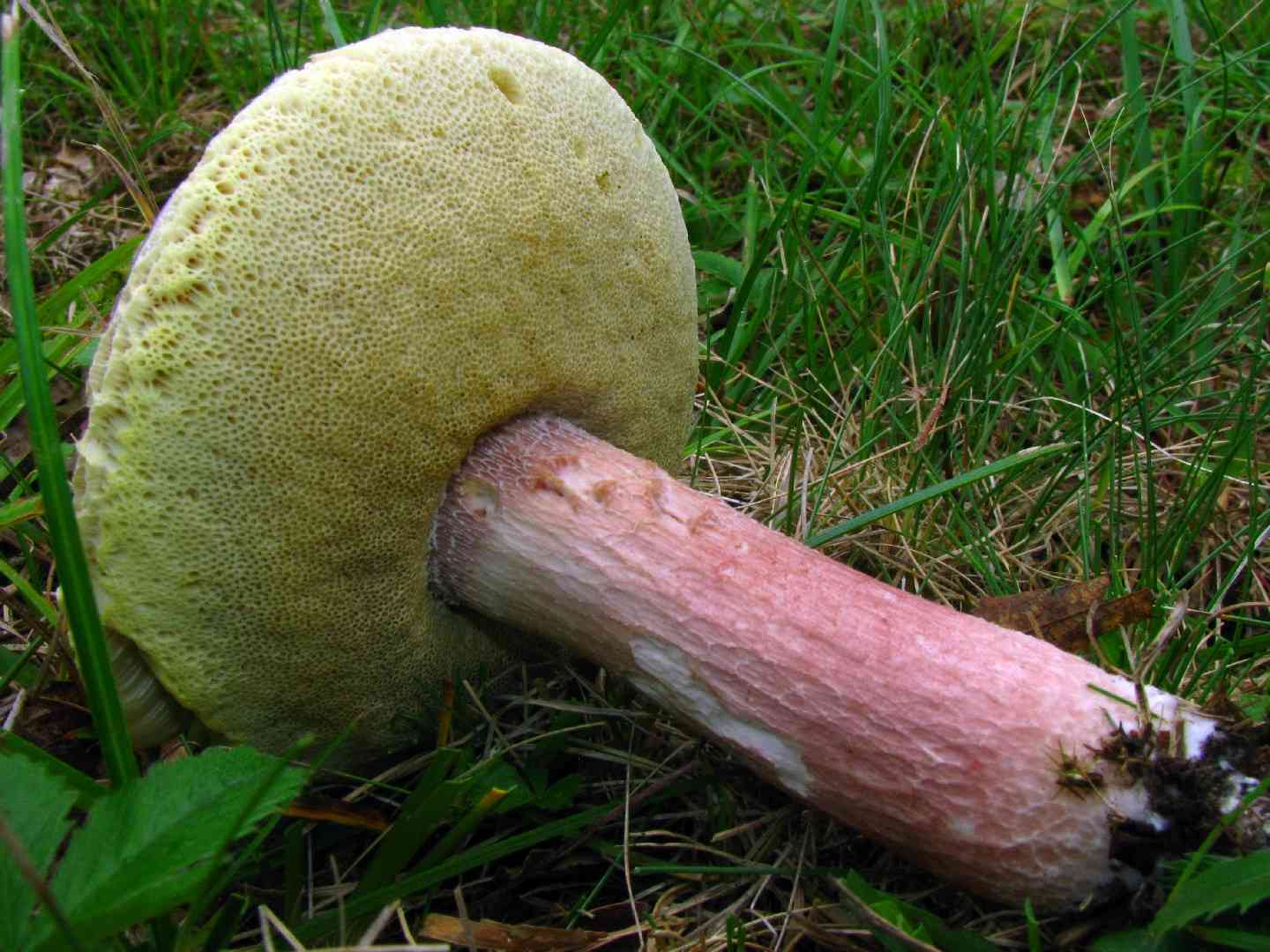
Stem 4 - 12 cm long, 1 - 4 cm thick; club-shaped, solid; whitish to grayish; bald, usually slightly wrinkled
Flesh
Whitish throughout; unchanging on exposure or bruising
Spore Print Color
Brownish to yellowish brown
Odor
Pleasant; not distinctive
Body Color
BrownYellowRedGoldGrayPurple
Flesh Bruises
The flesh or milk does not discolor when bruised or cut.
Growth Form
Solitary, Scattered
Substrate
On soil
Species Status
Widely distributed
Endangered Species
No
Scientific Classification of Lilac bolete
Phylum
Club fungi
Class
Mushroom-forming fungi
Order
Boletes and allies
Family
Boletes
Genus
Xanthoconium
Toxicity and Edibility of Lilac bolete
Is Lilac bolete Toxic?
Toxicity information is not available for this mushroom. Always consult with an expert before consuming any wild mushrooms.

