Burnt knight
Tricholoma ustale
A species of Tricholoma.
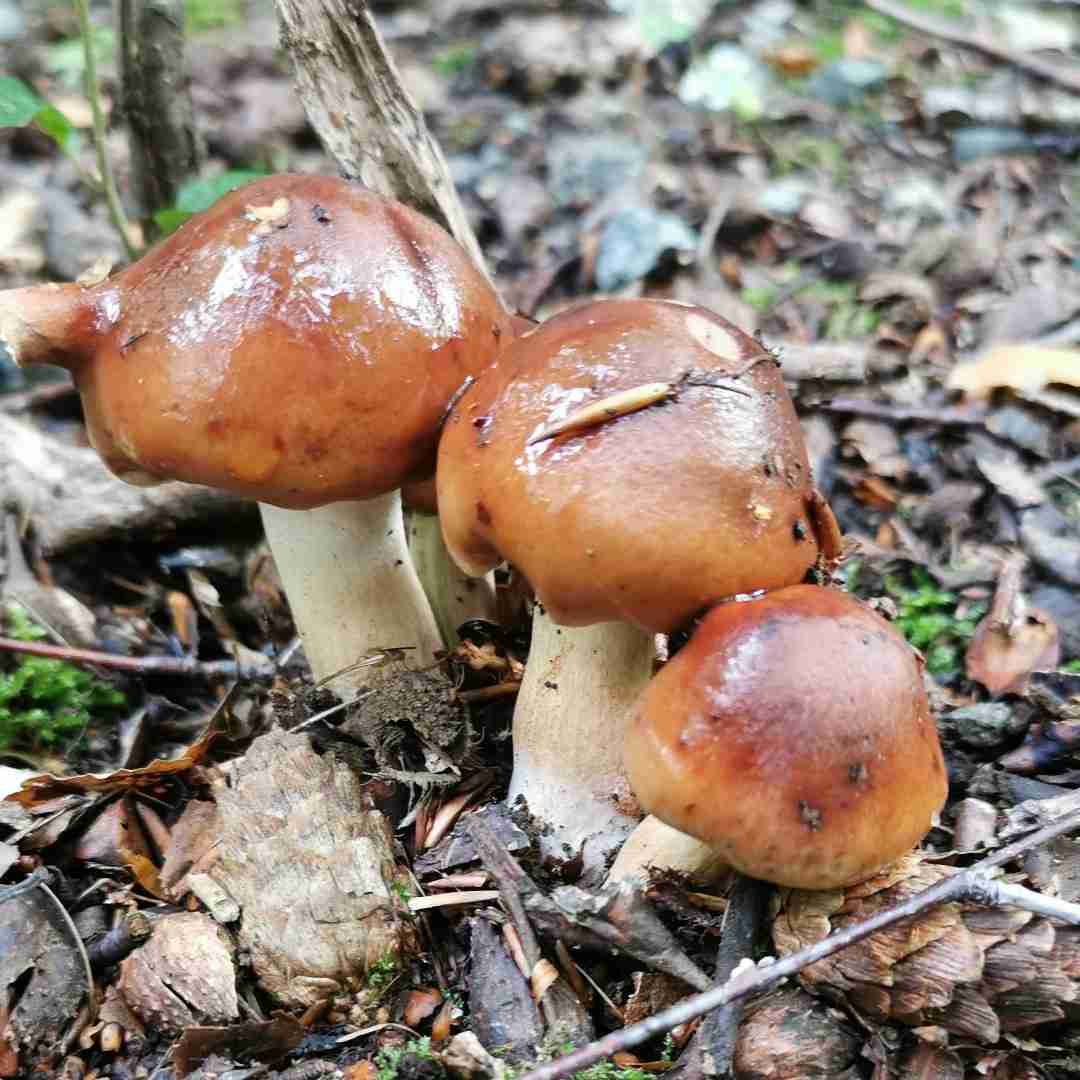
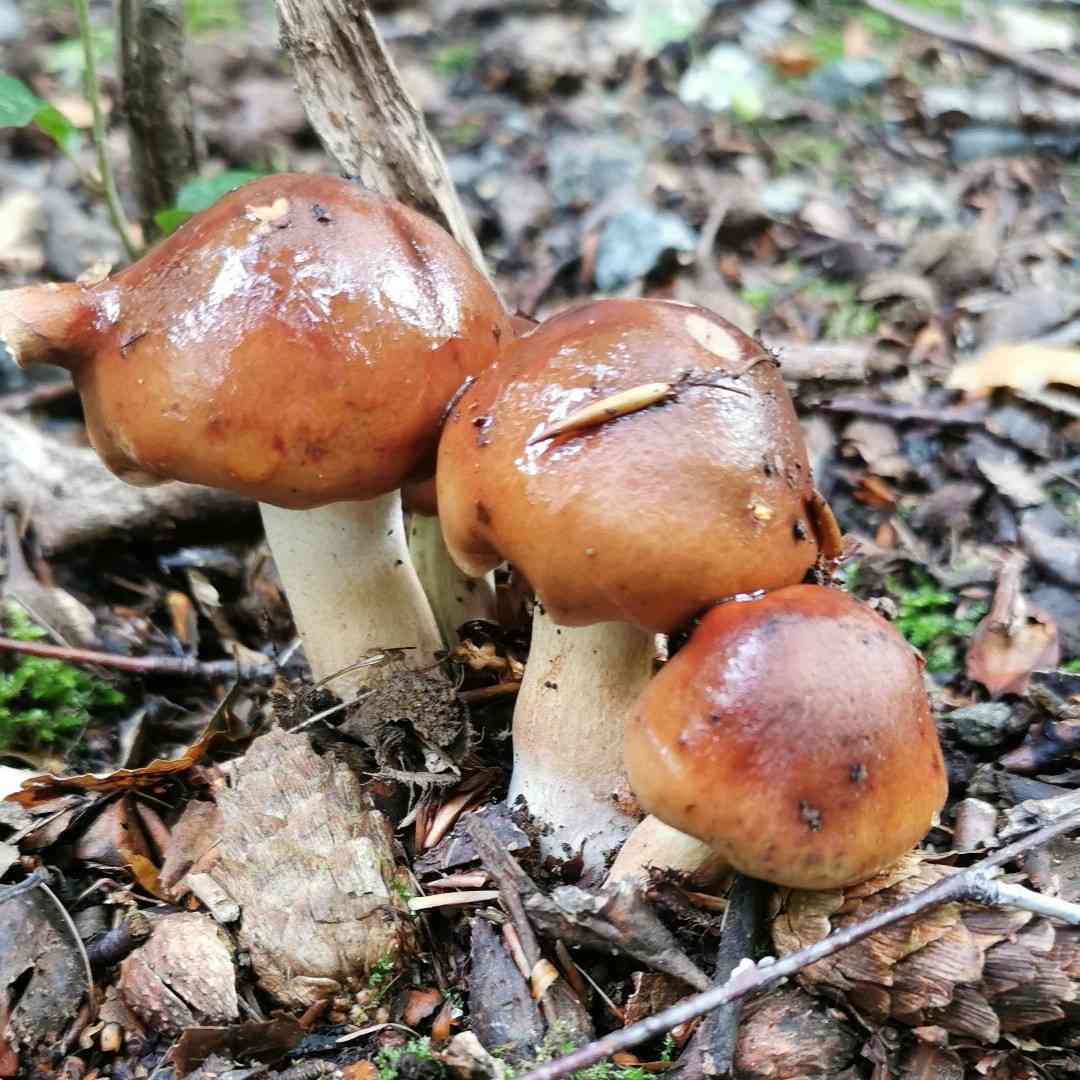
Exercise caution with the Burnt Knight mushroom, as it's known to be toxic to humans. This particular fungi ranks among the top three species responsible for mushroom poisonings in Japan. Its name, 'Burnt Knight,' derives from its distinctively dark, scorched-looking cap. You'll frequently encounter this mushroom growing beneath beech trees.
In This Article
Attributes of Burnt knight
Cap Diameter
4 - 9 cm
Height
4 - 7 cm
Cap
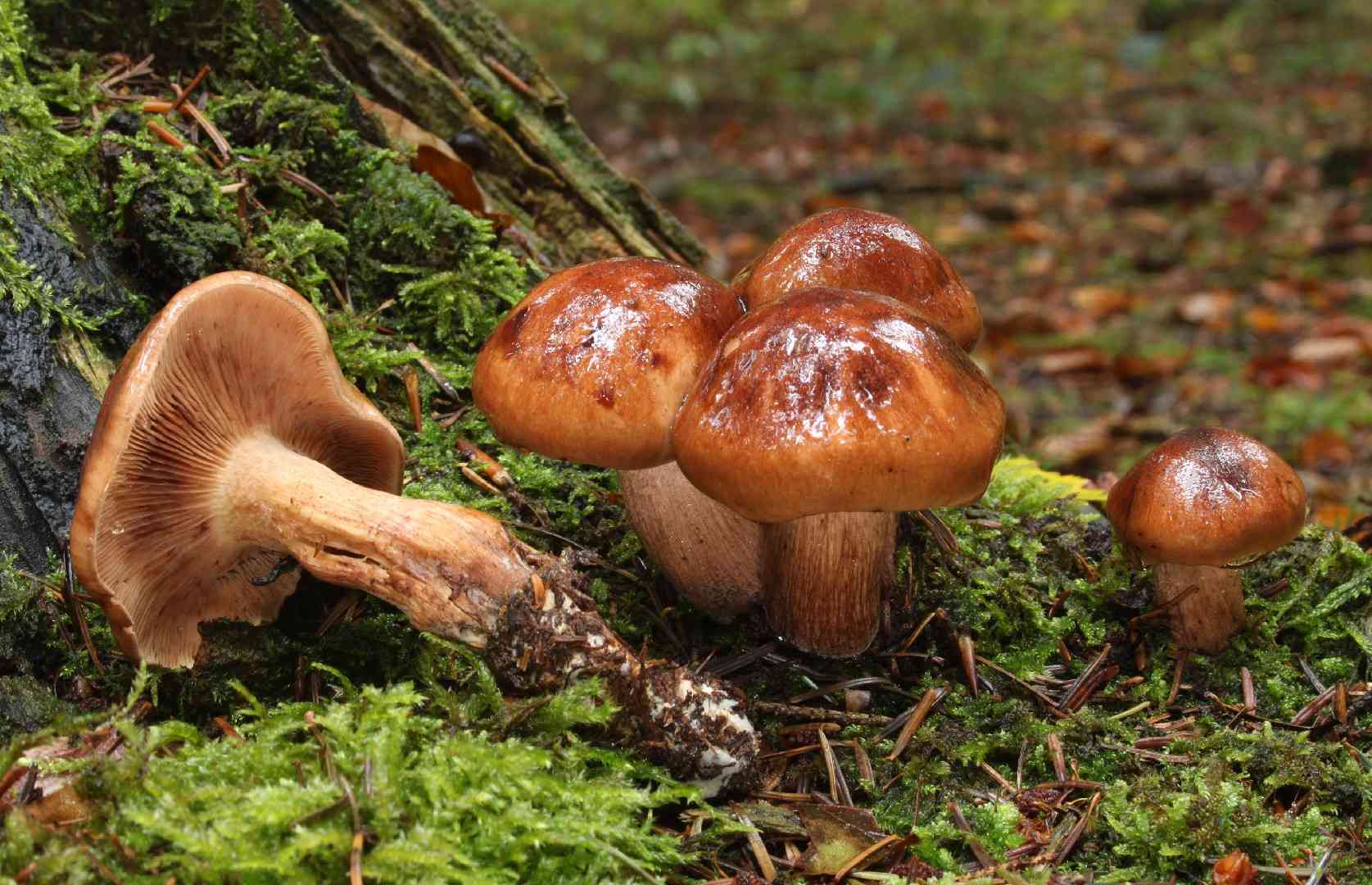
Cap 3 - 10 cm in diameter; bell-shape to conical or convex; orange-red-brown
Cap Shape
Convex, Flat, Central Bump
Cap Surfaces
Smooth, Slimy or slightly sticky
Gills
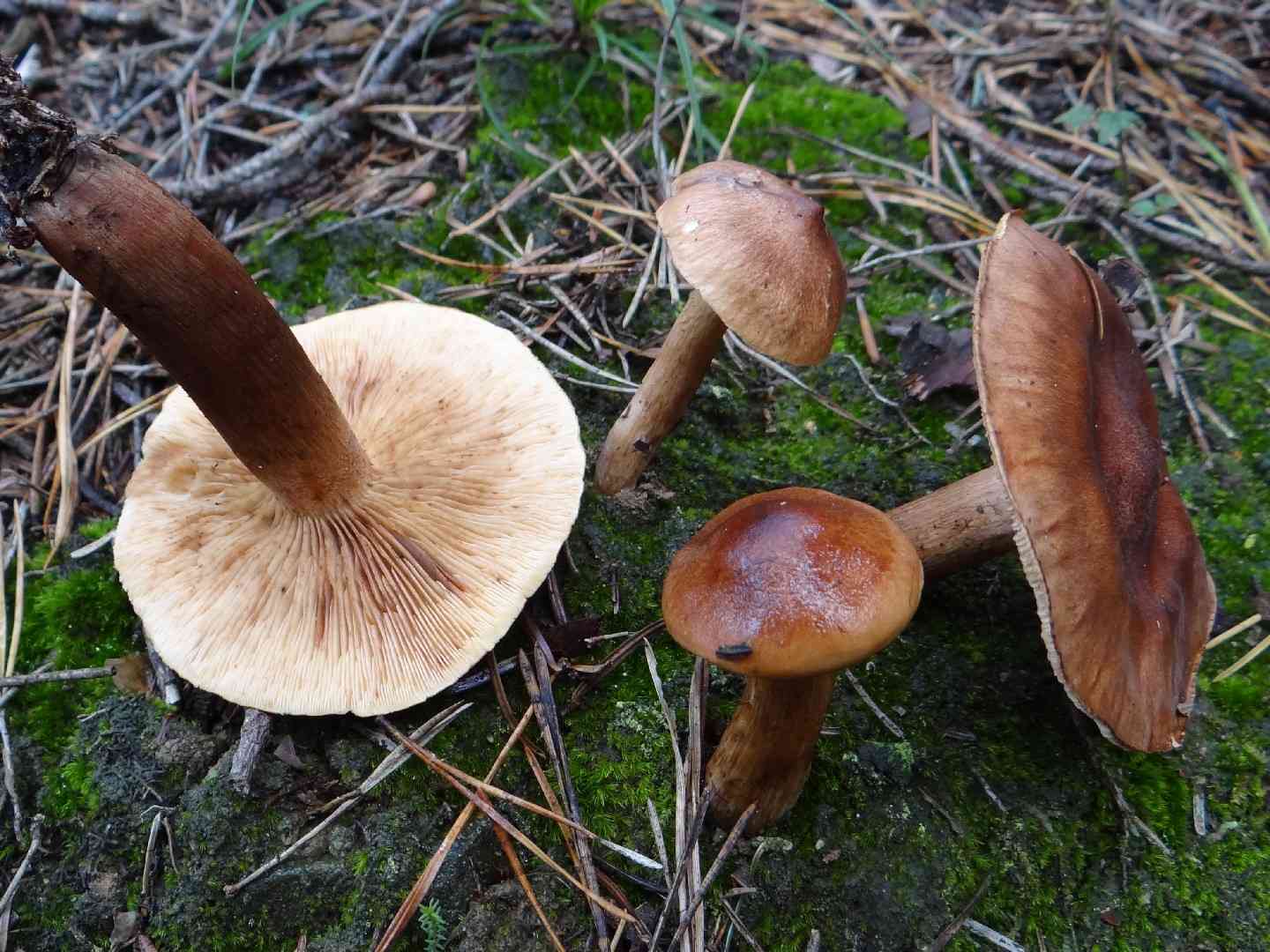
Adnate; somewhat crowded; cream to pale yellow, aging to pale brown with brown spots
Gill Attachment
Notched
Stem
Stem 3 - 9 cm long by 1 - 2.5 cm thick; cylindrical, somewhat thicker at the base; at apex whitish, with red-brown fibrils; dry, finely fibrillose, without ring zone
Stem Shapes
Cylindrical
Stem Surfaces
Fibrillose
Flesh
White; turns brown where it is bruised or otherwise injured
Ring
Ringless
Spore Print Color
White
Odor
Mildly mushroomy but not distinctive.
Body Color
BrownRedOrange
Flesh Bruises
Discolor to brown
Growth Form
Gregarious
Nutrient Gathering
Mycorrhizal
Substrate
On soil
You can find Burnt knight by these plants
Spruces, Pines, Oaks, European beech
Occurence Habitats
Deciduous Woodland
Species Status
Locally common in the southern counties in England
Endangered Species
No
Scientific Classification of Burnt knight
Phylum
Club fungi
Class
Mushroom-forming fungi
Order
Gilled fungi
Family
Pale-spore mushrooms
Genus
Tricholoma
Toxicity and Edibility of Burnt knight
Is Burnt knight Toxic?
Consuming the burnt knight mushroom can lead to gastroenteritis, with symptoms manifesting between 30 minutes and 3 hours post-ingestion. Sufferers typically experience nausea, vomiting, abdominal cramps, and diarrhea, occasionally accompanied by perspiration, fatigue, lightheadedness, and shivers.

