Birch knight
Tricholoma fulvum
A species of Tricholoma.
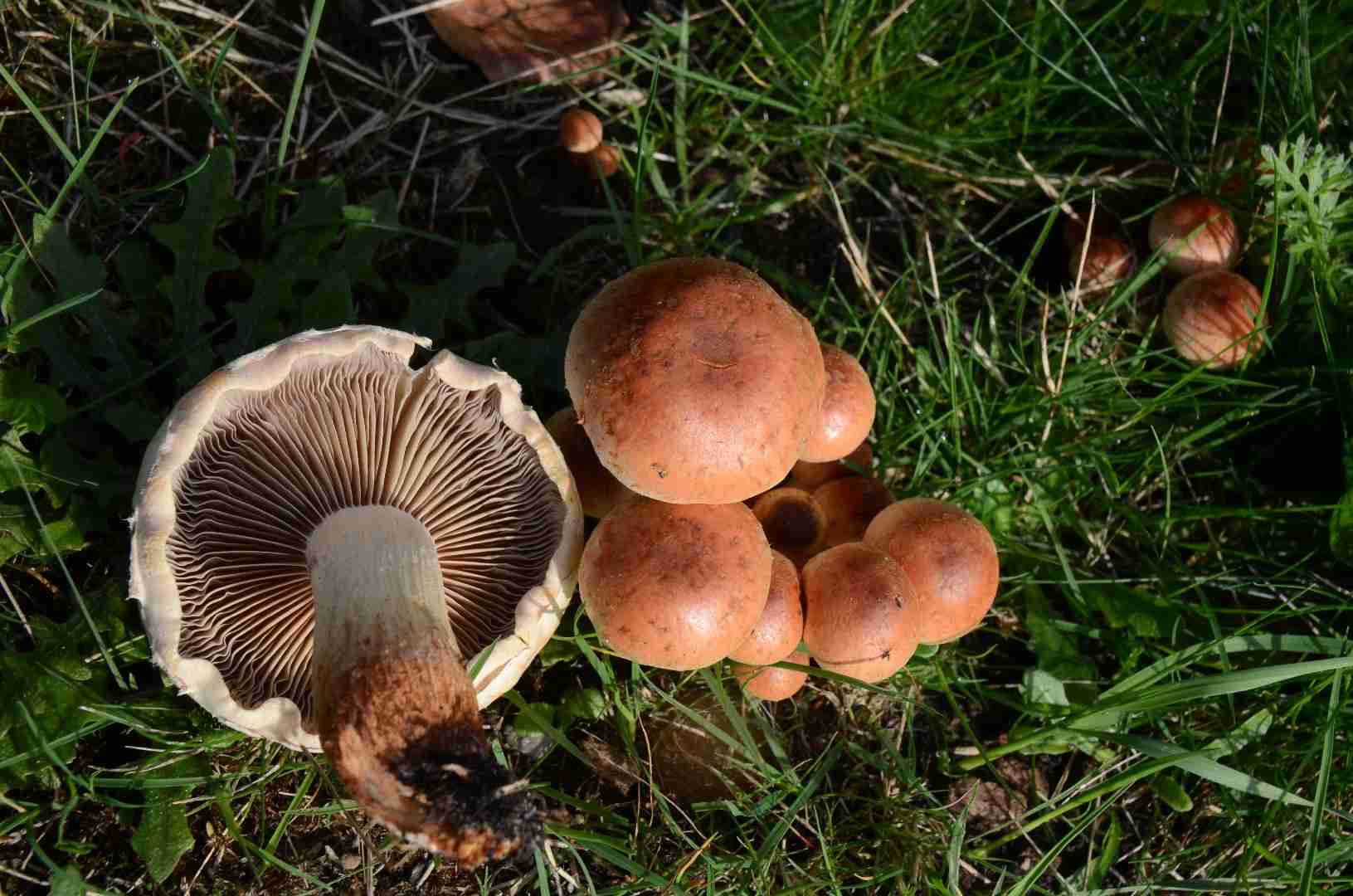
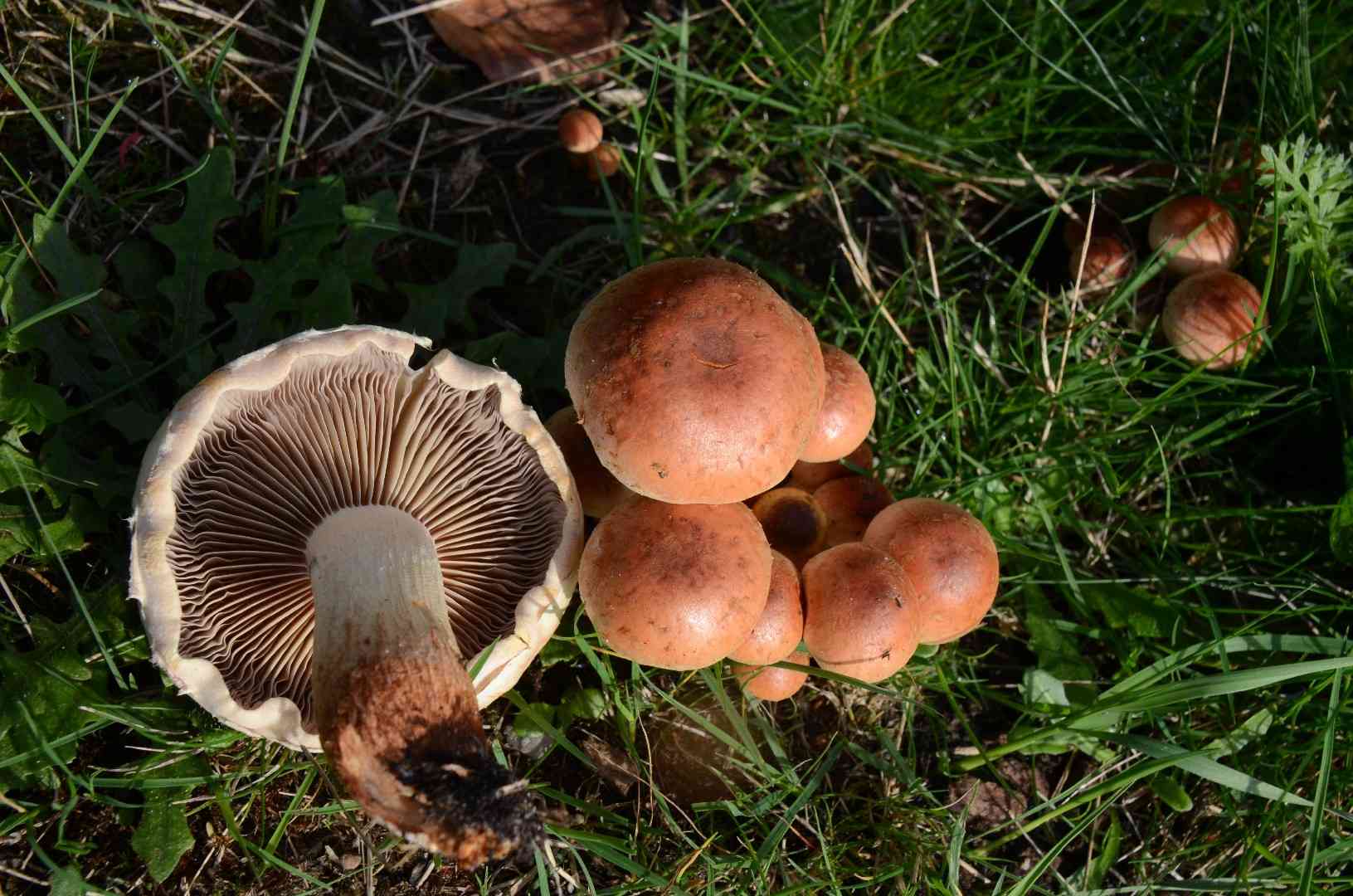
Birch knight mushrooms, frequently occurring in substantial clusters, prefer the edges of moist forests. Their name reflects a strong association with birch trees. These fungi emit a subtle aroma reminiscent of raw flour. A key identifying feature is the brown-spotted underside of their caps.
In This Article
Attributes of Birch knight
Cap Diameter
5 - 12 cm
Height
5 - 10 cm
Cap
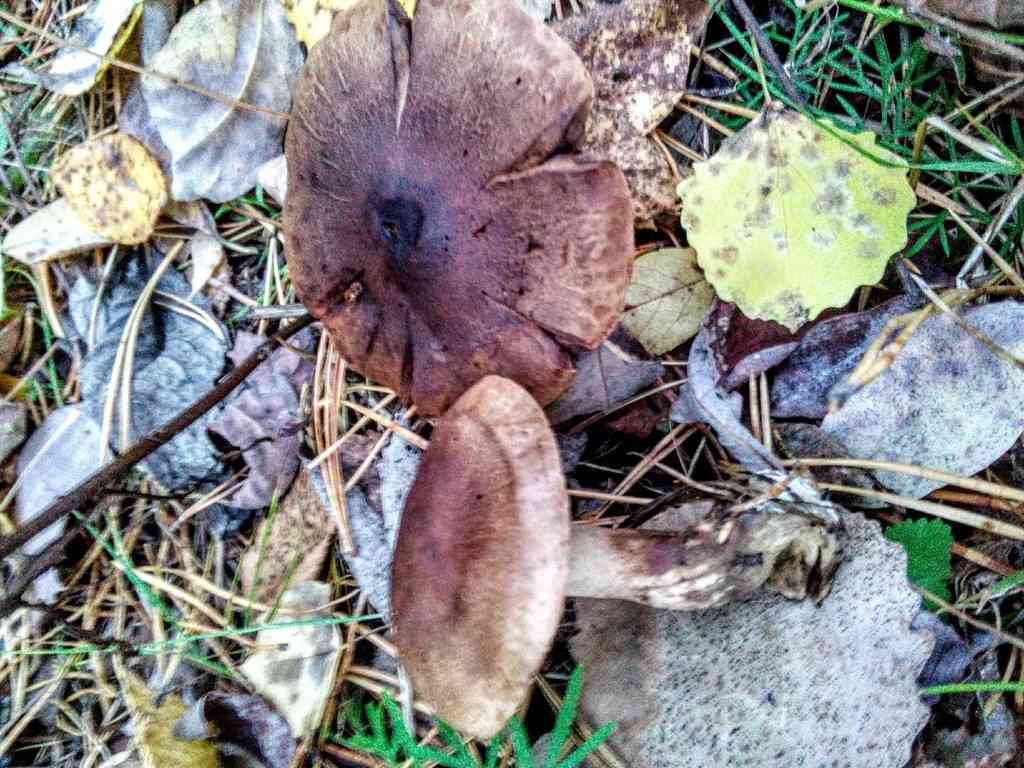
Cap 5 - 12 cm across; convex, flat; reddish-brown, yellow, brown
Cap Shape
Convex, Flat, Central Bump
Cap Surfaces
Fibrillose-scaly, Slimy or slightly sticky, Visible lines or stripes
Gills
Adnexed; bright yellow, with brown spots
Gill Attachment
Attached
Stem
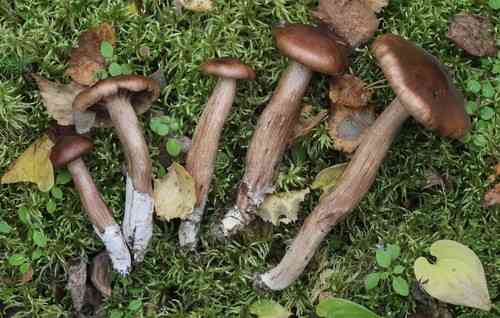
Stem 5 - 10 cm long, 8 - 15 mm thick; cylindrical, fibrous; pale yellow; with brown fibres
Stem Shapes
Cylindrical
Stem Surfaces
Fibrillose
Flesh
Pale yellow
Ring
Ringless
Spore Print Color
White
Odor
Subtle flour-like aroma.
Body Color
BrownYellowRed
Flesh Bruises
The flesh or milk does not discolor when bruised or cut.
Growth Form
Scattered, Gregarious
Nutrient Gathering
Mycorrhizal
Substrate
On soil
You can find Birch knight by these plants
Spruces, Pines, Firs
Occurence Habitats
Deciduous Woodland
Species Status
Very common and widespread
Endangered Species
No
Scientific Classification of Birch knight
Phylum
Club fungi
Class
Mushroom-forming fungi
Order
Gilled fungi
Family
Pale-spore mushrooms
Genus
Tricholoma
Toxicity and Edibility of Birch knight
Is Birch knight Toxic?
The Birch knight mushroom is toxic; symptoms of gastroenteritis typically manifest between 30 minutes and 3 hours post-ingestion. Key indicators are nausea, vomiting, abdominal cramps, and diarrhea, sometimes accompanied by perspiration, lethargy, lightheadedness, and shivers.

