Violet-toothed polypore
Trichaptum biforme
A species of Trichaptum.
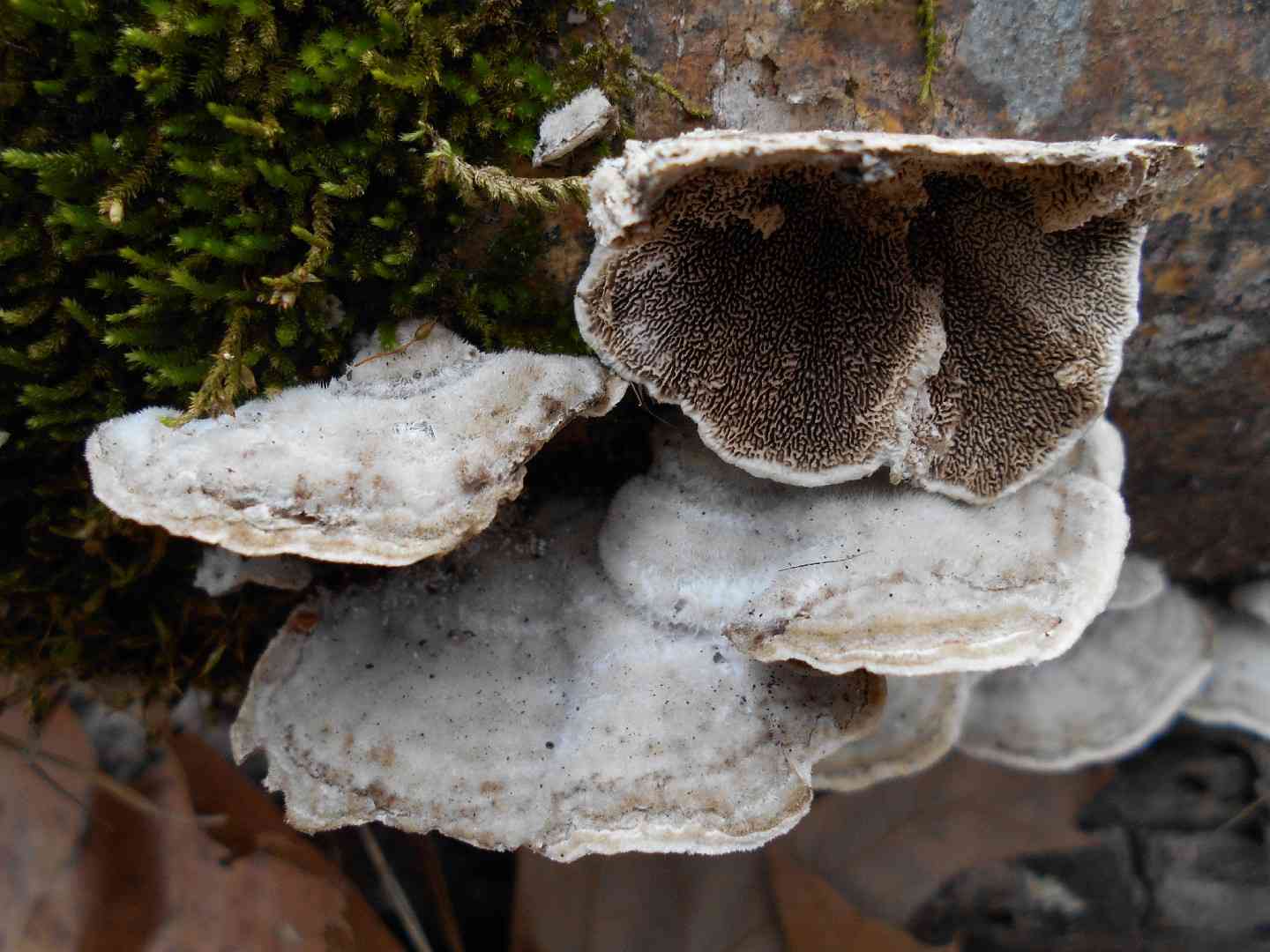
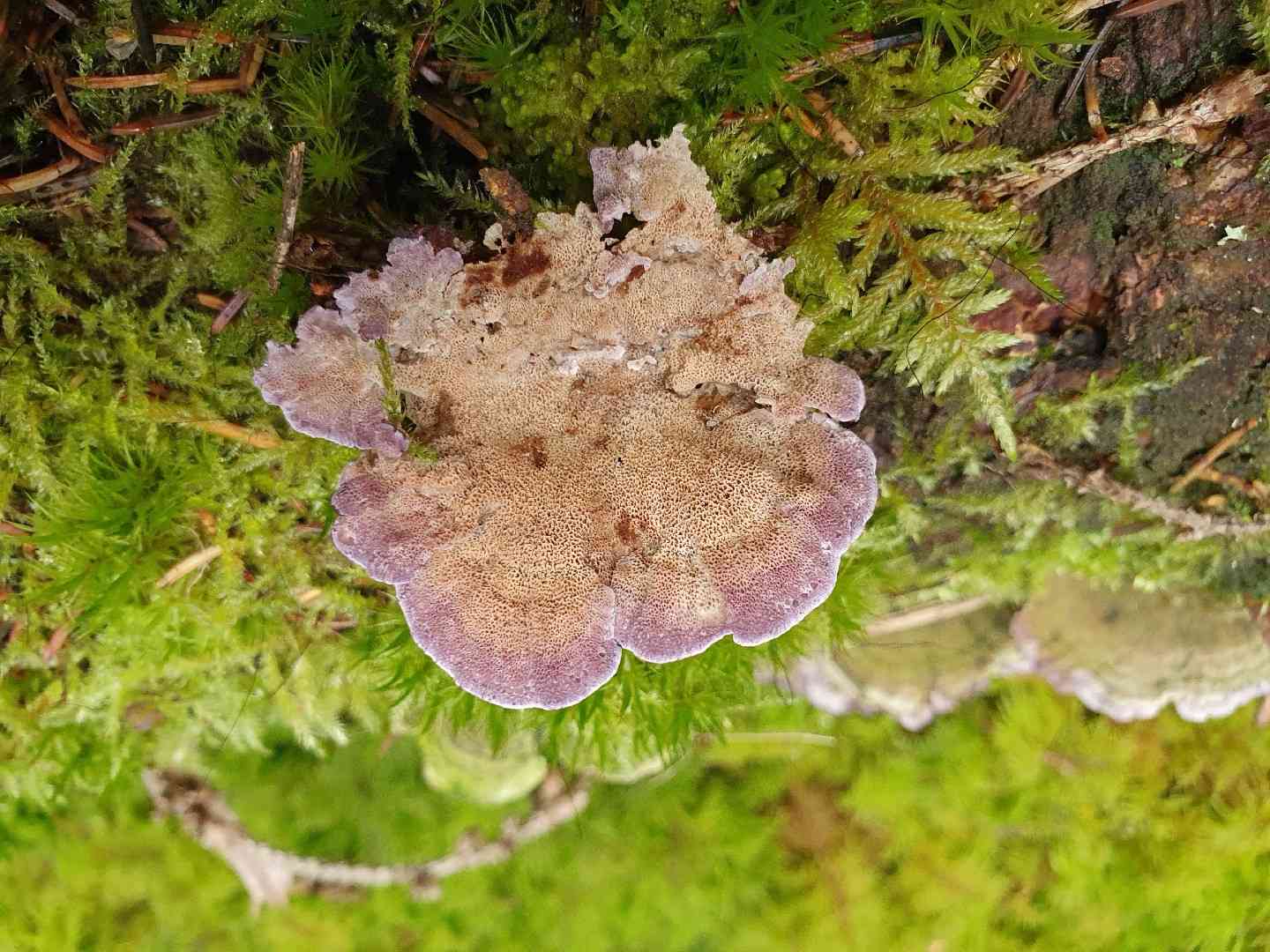
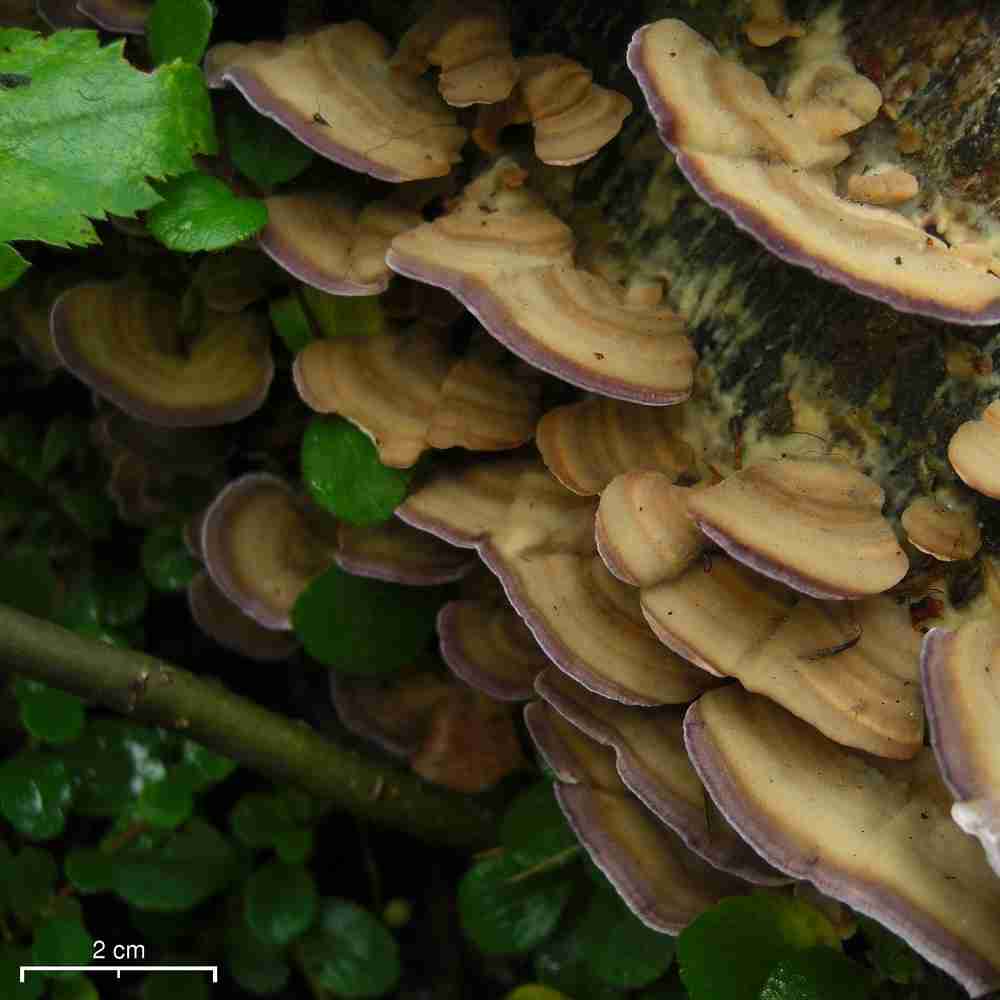
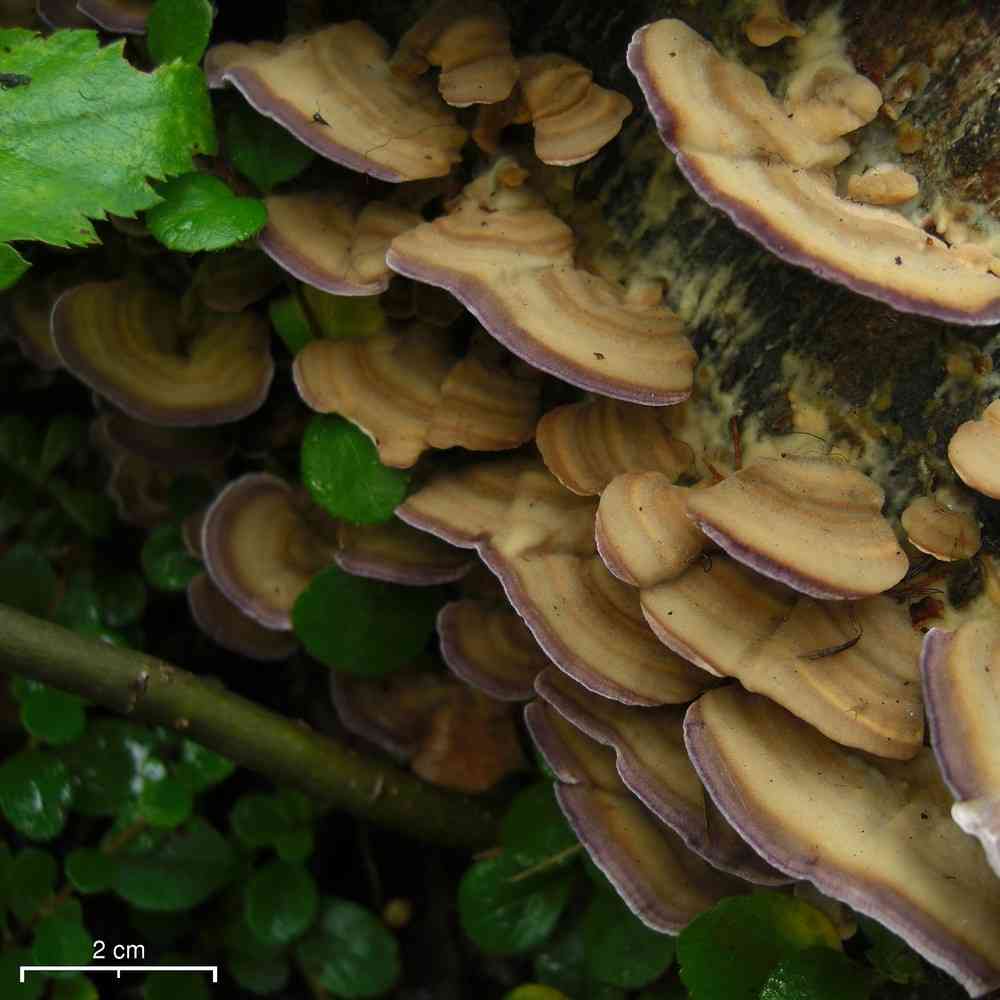
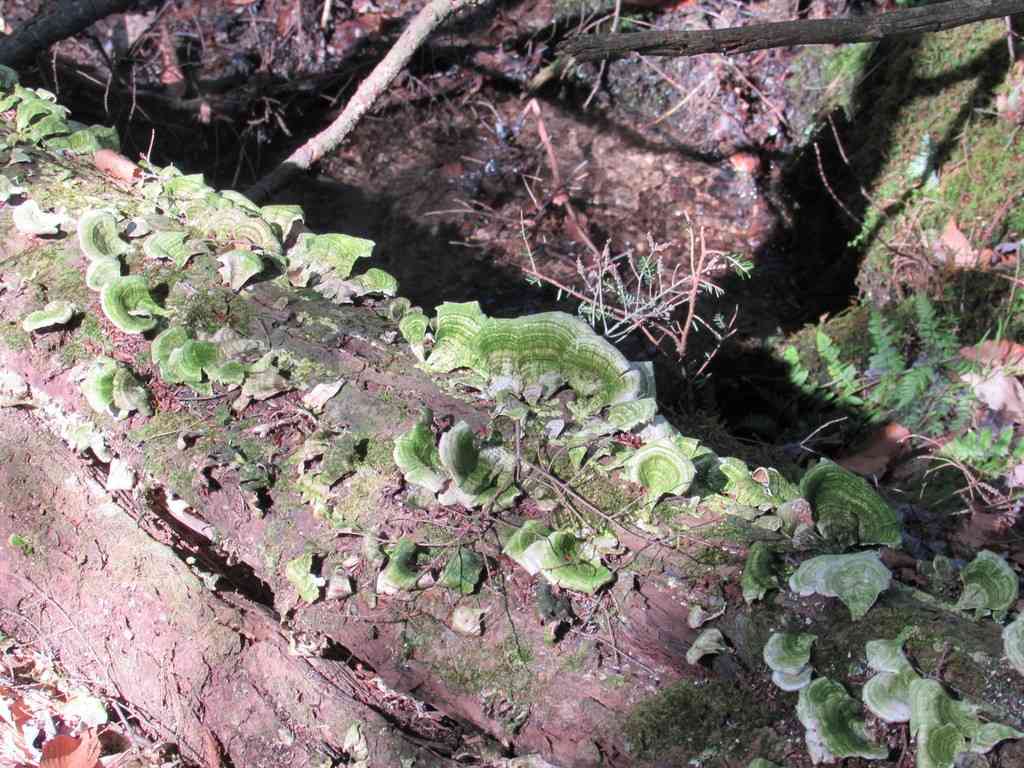
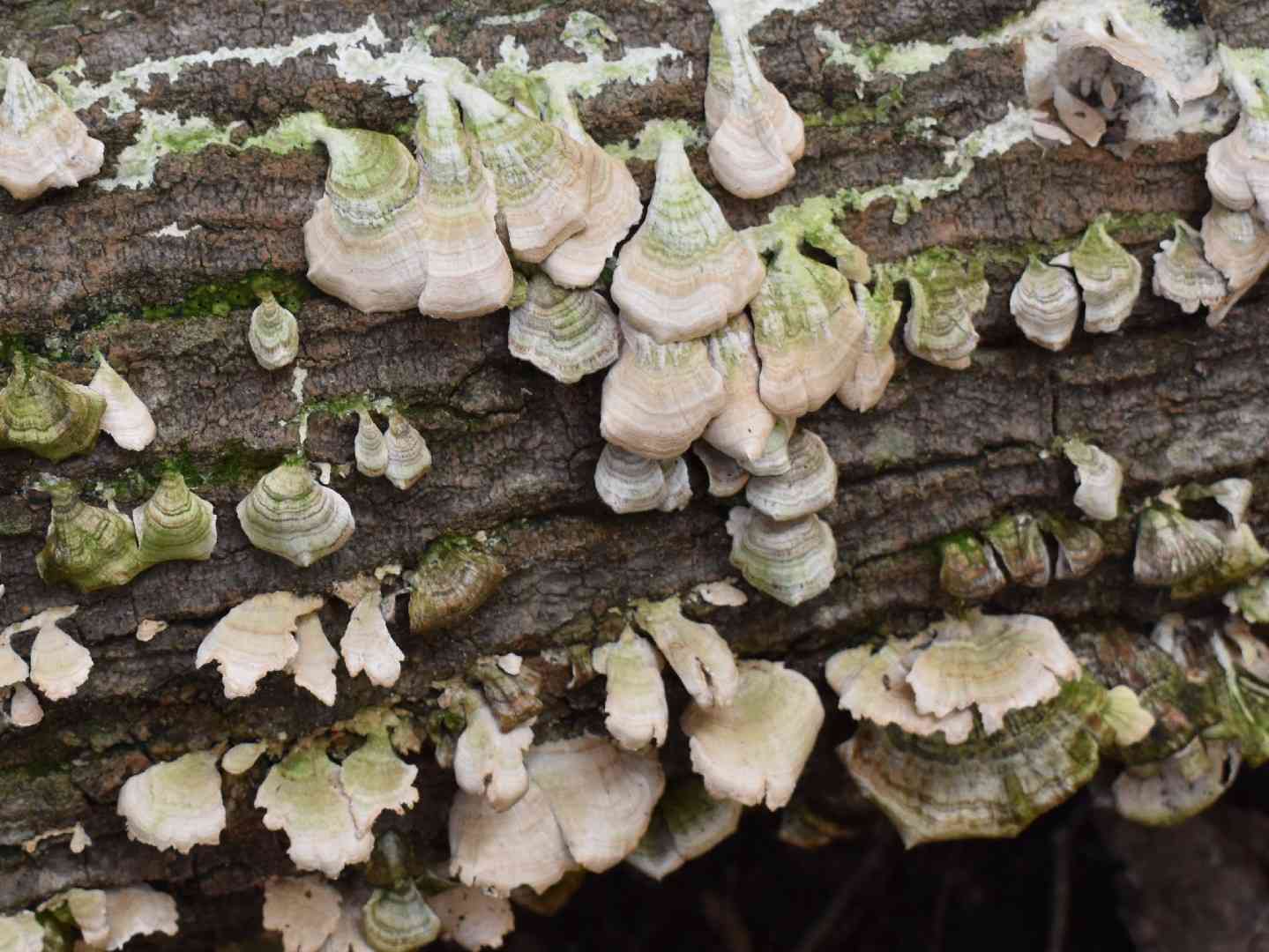
This non-consumable shelf-like or bracket fungus typically appears in stacked formations and layers on hardwood stumps and fallen timber. It is also responsible for a sapwood decay in live trees. To identify it, lift the cap of the violet-toothed polypore to reveal its distinctive lilac-toned pore surface, characterized by downward-pointing, tooth-like structures.
In This Article
Attributes of Violet-toothed polypore
Cap Diameter
1 - 7 cm
Height
5 - 50 mm
Cap
Up to 6 cm across, 3 mm thick; semicircular, kidney-shaped; with zones of whitish to grayish white colors; smooth
Cap Shape
Convex
Cap Surfaces
Fibrillose-scaly
Flesh
Tough and leathery; whitish
Spore Print Color
White
Odor
Mildly mushroomy but not distinctive.
Body Color
GrayWhitePurple
Flesh Bruises
The flesh or milk does not discolor when bruised or cut.
Growth Form
Clustered
Nutrient Gathering
Saprophytic
Substrate
Dead Woods
Occurence Habitats
Deciduous Woodland
Species Status
Most commonly in eastern North America.
Endangered Species
No
Scientific Classification of Violet-toothed polypore
Phylum
Club fungi
Class
Mushroom-forming fungi
Order
Hymenochaetales
Genus
Trichaptum
Toxicity and Edibility of Violet-toothed polypore
Is Violet-toothed polypore Toxic?
Toxicity information is not available for this mushroom. Always consult with an expert before consuming any wild mushrooms.