Rancid greyling
Tephrocybe rancida
A species of Greylings.
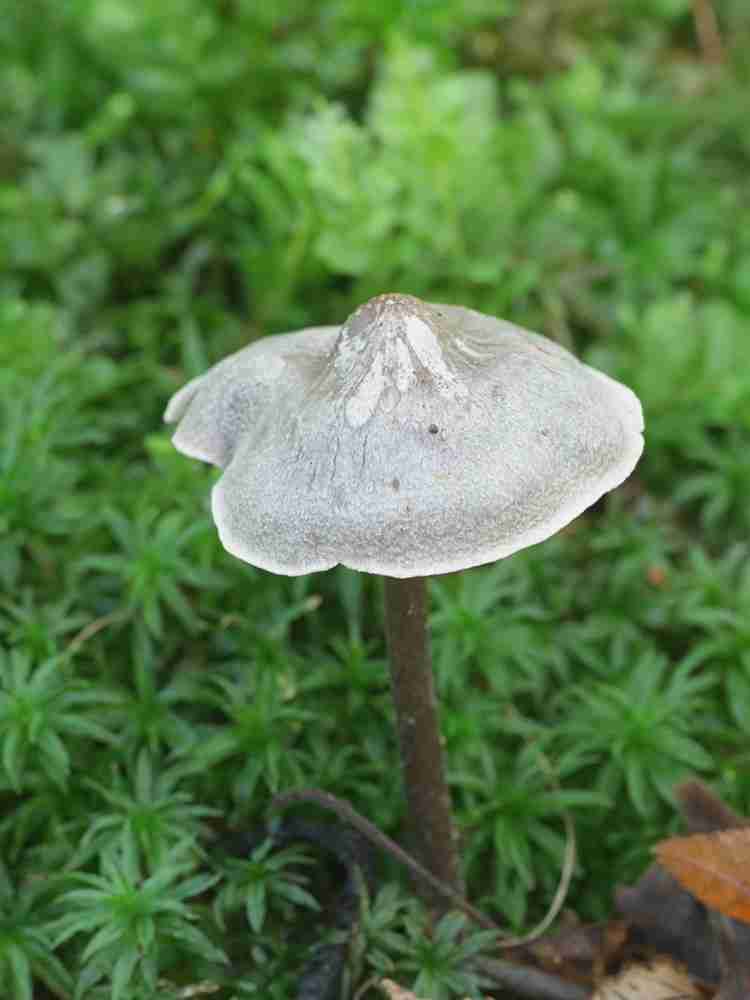
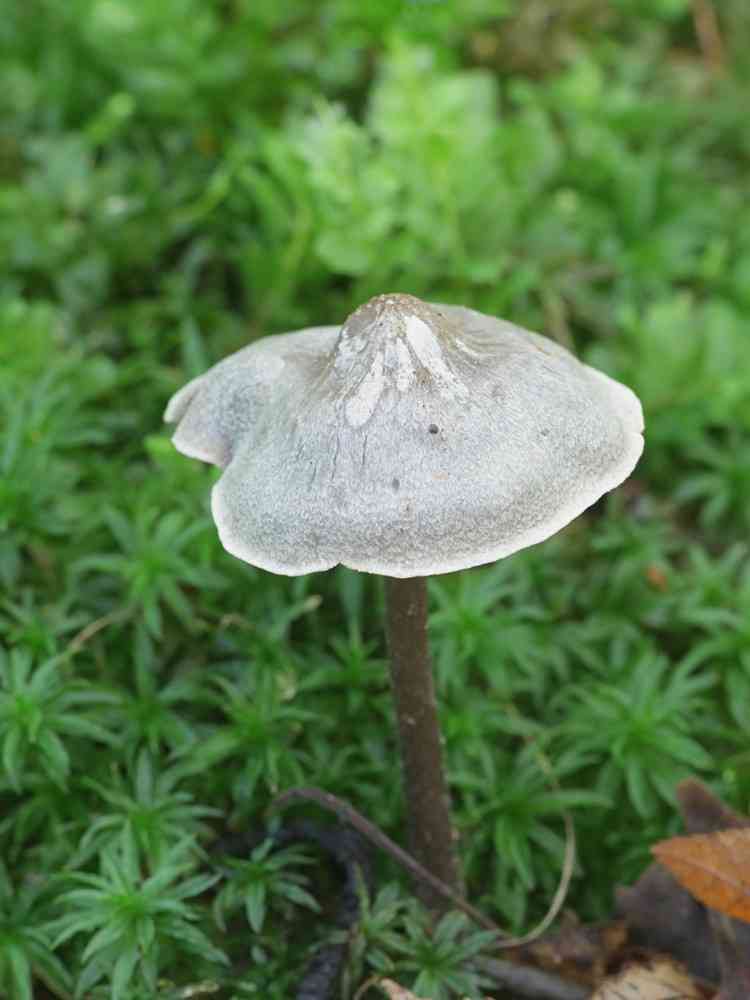
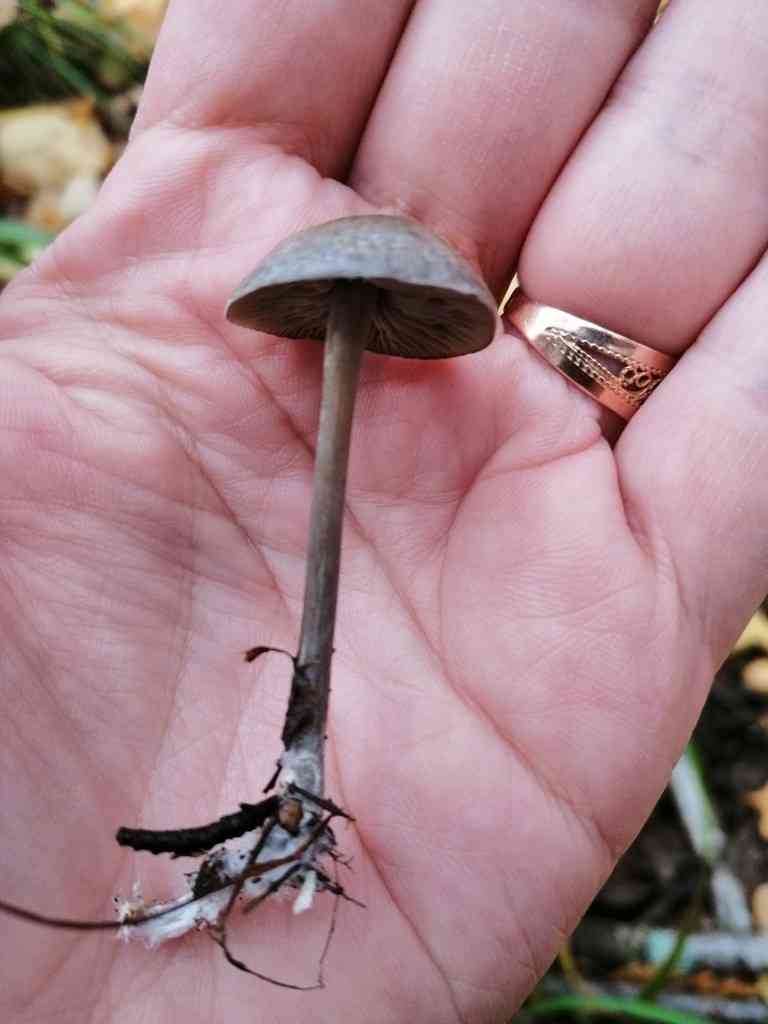
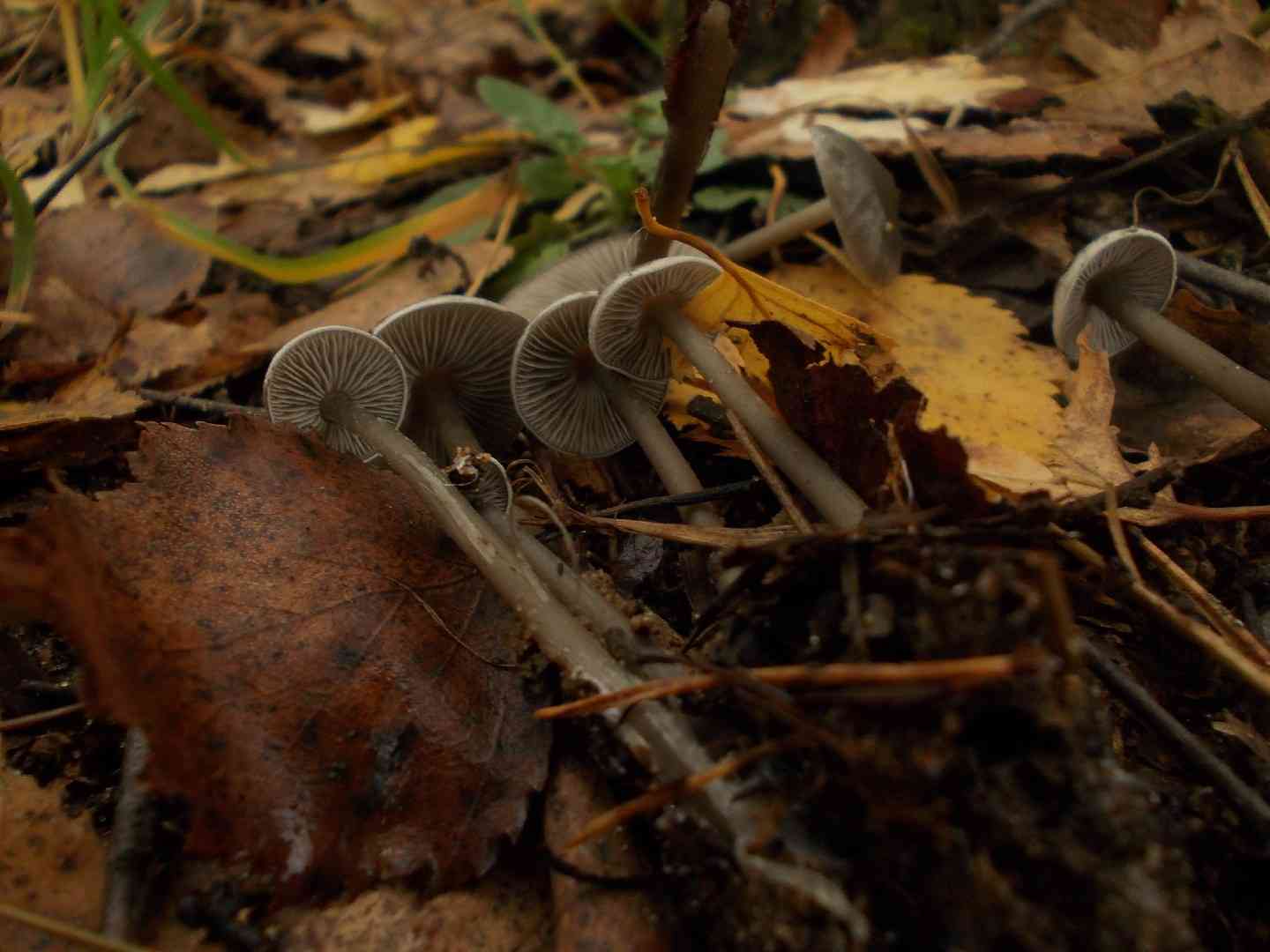
The cap measures 1–4 cm across, ranging from convex to flat with a central raised bump. Its color is initially a whitish bloom, maturing to grey or brown-grey, and it appears glossy when moist. The gills are unattached, closely packed, and grey. The stem, 4–8 cm in length and 3–7 mm thick, shares the same color as the cap. Spores are white or cream, ellipsoid, and sized 7–8 × 3–4.5 µm.
In This Article
Attributes of Rancid greyling
Cap Diameter
3 - 6 cm
Height
4 - 7 cm
Cap
Cap 1 - 4 cm across; convex to flat, umbonate; grey to brown-grey
Cap Shape
Convex, Depressed
Cap Surfaces
Smooth
Gills
Free; crowded; grey
Gill Attachment
Notched
Stem
Stem 4 - 8 cm long, 3 - 7 mm thick; grey to brown-grey
Stem Shapes
Cylindrical
Ring
Ringless
Spore Print Color
White
Odor
Mildew-like and spoilt.
Body Color
BrownGrayWhite
Flesh Bruises
The flesh or milk does not discolor when bruised or cut.
Growth Form
Solitary, Scattered
Nutrient Gathering
Saprophytic
Substrate
On soil
You can find Rancid greyling by these plants
Spruces, Oaks
Species Status
Rare
Endangered Species
No
Scientific Classification of Rancid greyling
Phylum
Club fungi
Class
Mushroom-forming fungi
Order
Gilled fungi
Family
Lyophyllaceae
Genus
Greylings
Toxicity and Edibility of Rancid greyling
Is Rancid greyling Toxic?
Toxicity information is not available for this mushroom. Always consult with an expert before consuming any wild mushrooms.

