Slippery jack

Suillus luteus

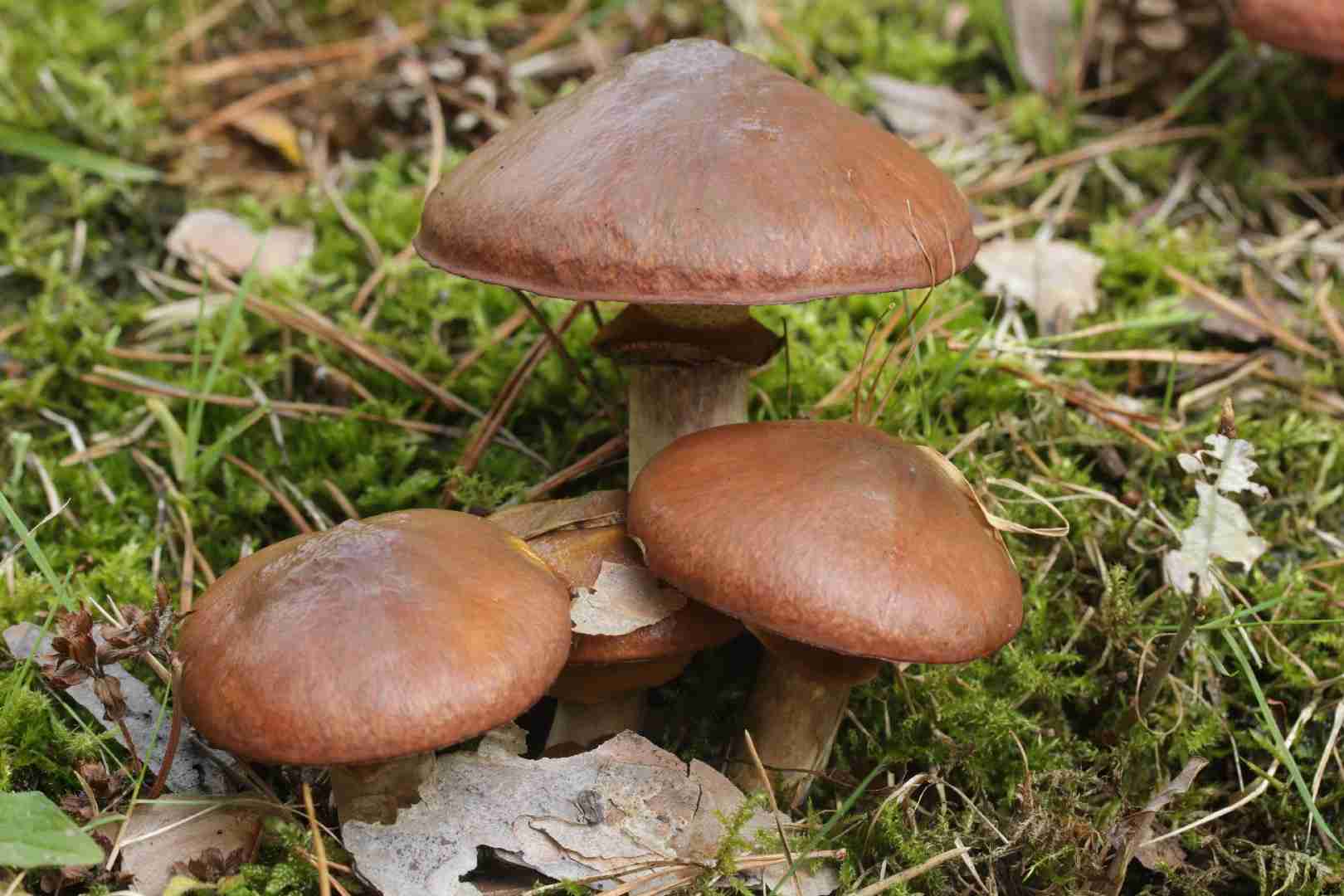
A species of Slippery jacks. Also known as Purple-veiled slippery jack.

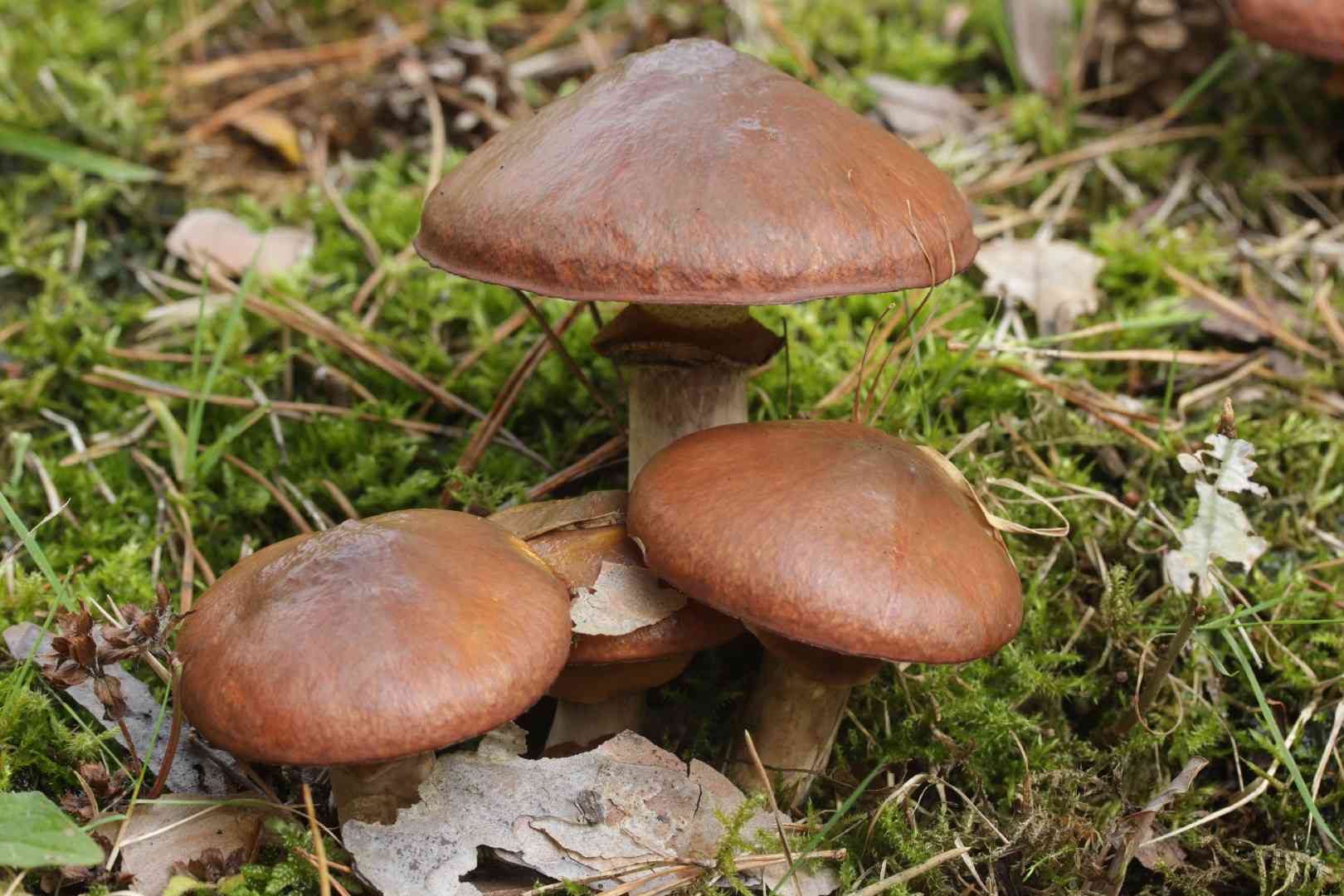
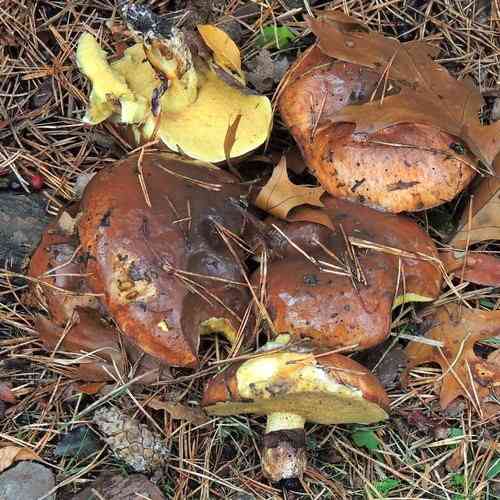
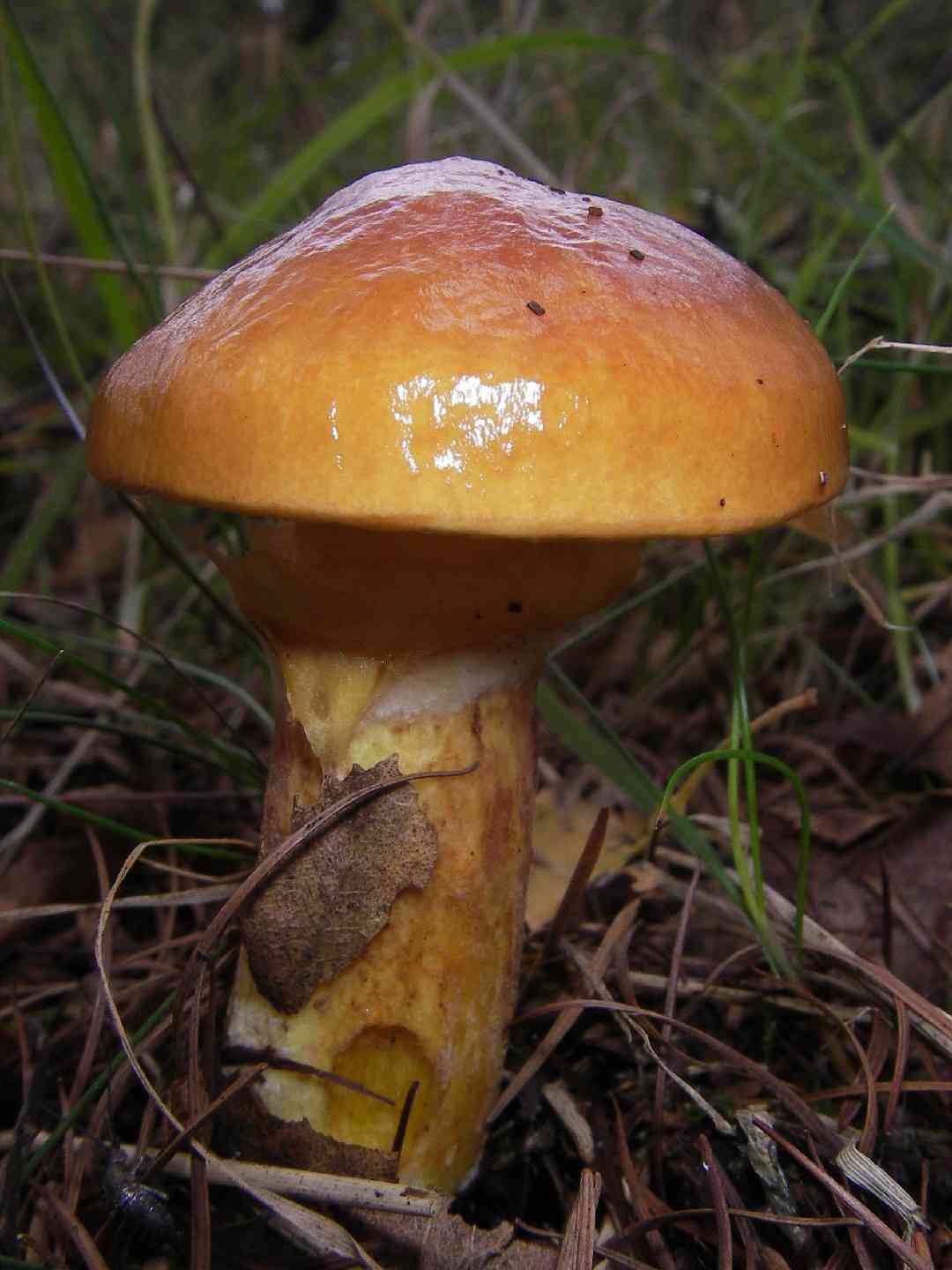
Thriving from summer into autumn, this fungus is commonly found in proximity to or directly under pine trees. It flourishes in colder regions but has a widespread presence across the northern hemisphere, extending into more southerly areas. When conditions are damp, the caps of these mushrooms develop a very slick coating, which is the origin of their popular name, 'slippery jack'.

In This Article
Attributes Classification Toxicity Similar Mushrooms

Attributes of Slippery jack

ForwardPlant - ID plants and mushrooms, and learn more about them🌿

Identify and diagnose plants, get toxicity alerts, and explore safety guides for all types of fungi.

Try for Free
Cap Diameter
5 - 10 cm
Height
5 - 10 cm
Cap
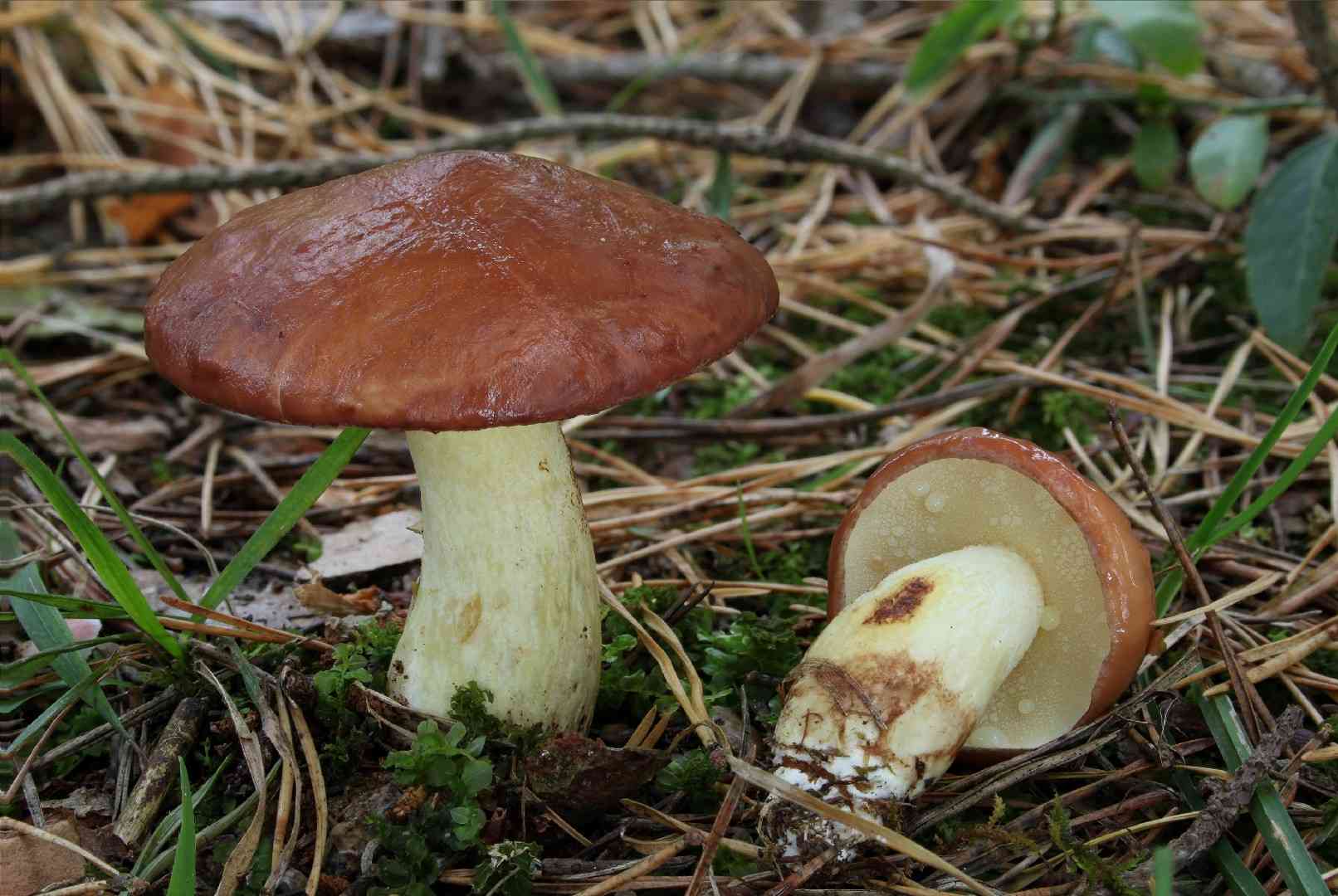
Cap 5 - 12 cm; convex, broadly convex to flat; brown; slimy
Cap Shape
Convex, Flat
Cap Surfaces
Slimy or slightly sticky, Visible lines or stripes
Stem
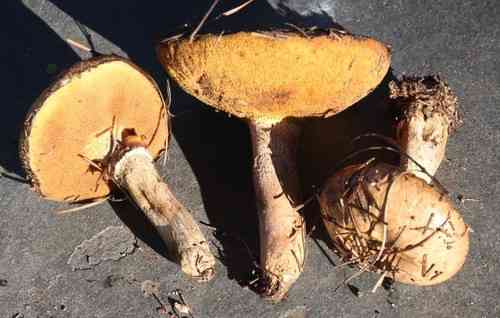
Stem 3 - 8 cm long, 1 - 2.5 cm thick; equal; whitish, yellowish towards apex
Stem Shapes
Cylindrical
Stem Surfaces
Fibrillose
Flesh
White to pale yellow; not staining on exposure
Ring
With Ring
Spore Print Color
Pale cinnamon to ocher-brown
Odor
Mild, typical mushroom scent, not distinctive.
Body Color
BrownYellowRedWhitePurple
Flesh Bruises
The flesh or milk does not discolor when bruised or cut.
Growth Form
Gregarious
Nutrient Gathering
Mycorrhizal
Substrate
On soil
You can find Slippery jack by these plants
Eastern white pine, Red pine, Scots pine, Pines, Spruces
Occurence Habitats
Coniferous Woodland
Species Status
Least Concern
Endangered Species
No

Scientific Classification of Slippery jack

ForwardPlant APP

AI mushroom expert in your pocket

Try for Free
Phylum
Club fungi
Class
Mushroom-forming fungi
Order
Boletes and allies
Family
Suillaceae
Genus
Slippery jacks
⚠️

Toxicity and Edibility of Slippery jack

ForwardPlant: Identify & Forage

Your Essential Guide to Edible vs. Toxic Mushrooms. Forage with Confidence!

Try for Free

Is Slippery jack Toxic?

Certain individuals may experience allergic reactions to Suillus luteus, commonly known as slippery jack. Reports indicate that it can sometimes lead to mild digestive issues. This mushroom forms a symbiotic relationship with pine trees and often grows in clusters. To minimize the risk of adverse effects, it is recommended to remove the viscous top layer of the cap and any remnants of the veil on the stem. Therefore, exercising caution when handling slippery jack is generally advisable.
Type of poisoning
Allergic
Toxic Severity
Low toxicity
Incubation Period
0.5-24 hours
Poisoning Symptoms
Individual responses to a mushroom allergy can differ widely, with reactions spanning from slight to intense, including skin rashes, itching, swelling in the mouth, stomach upset, and respiratory issues. In severe cases, it can lead to anaphylaxis, which requires immediate medical attention.

More Mushrooms That Are Similar to Slippery jack

