Hollow bolete
Suillus cavipes
A species of Slippery jacks.
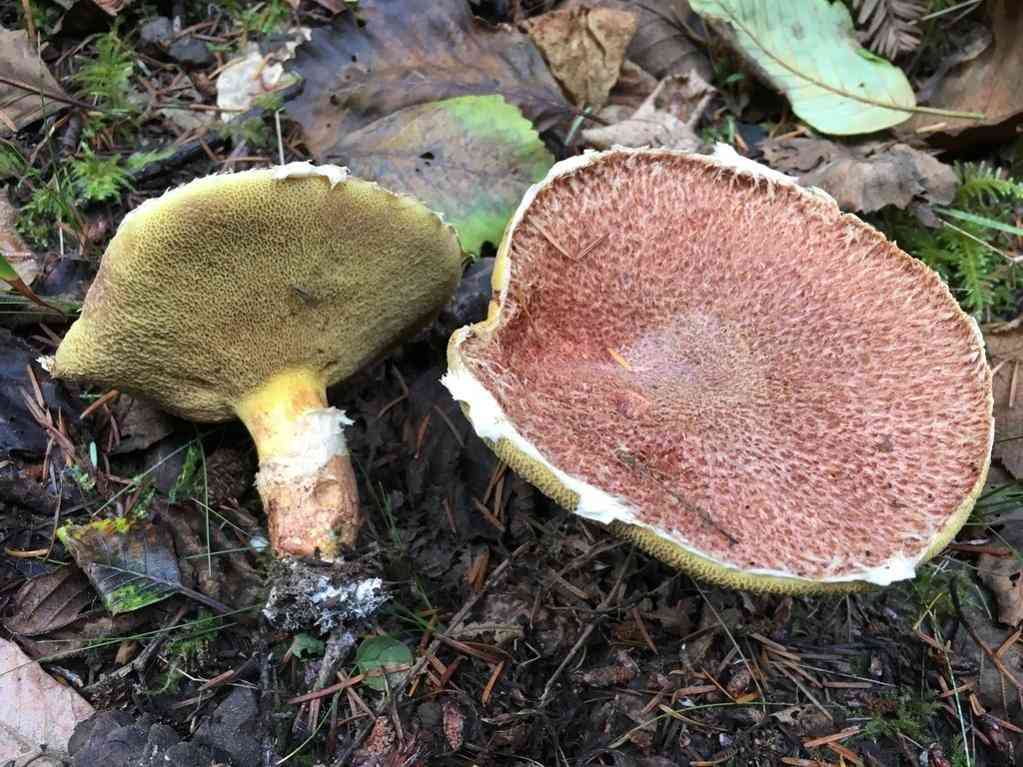
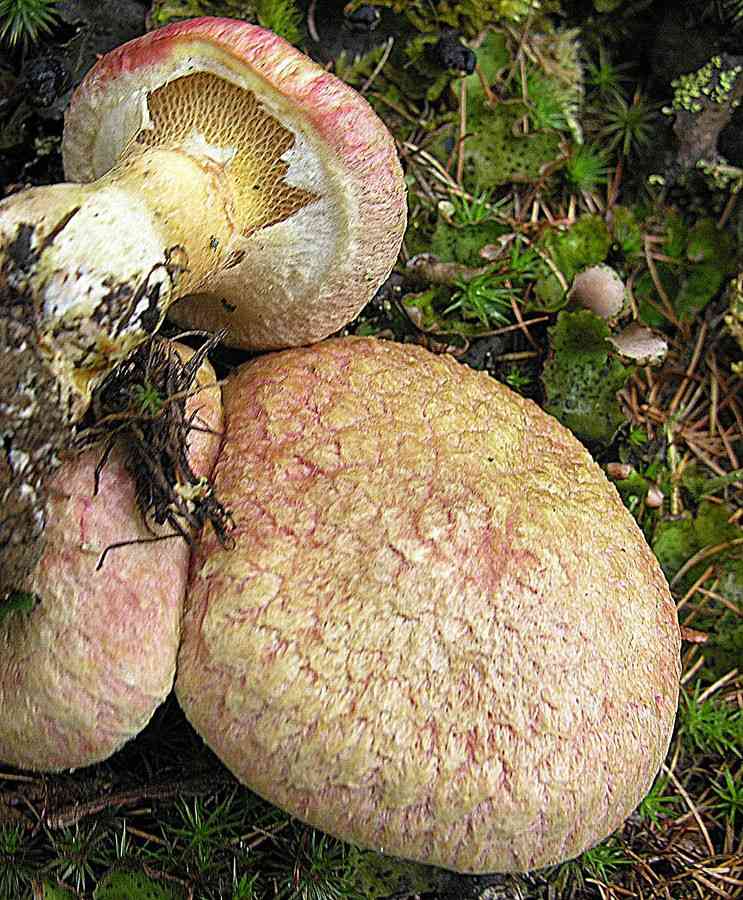
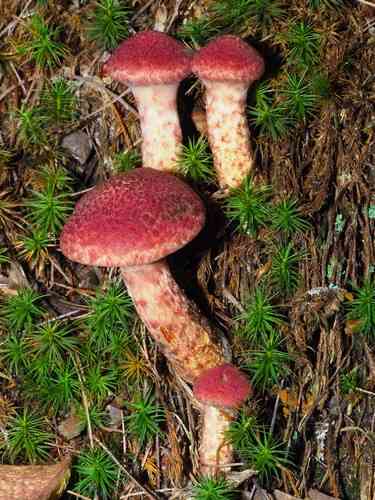
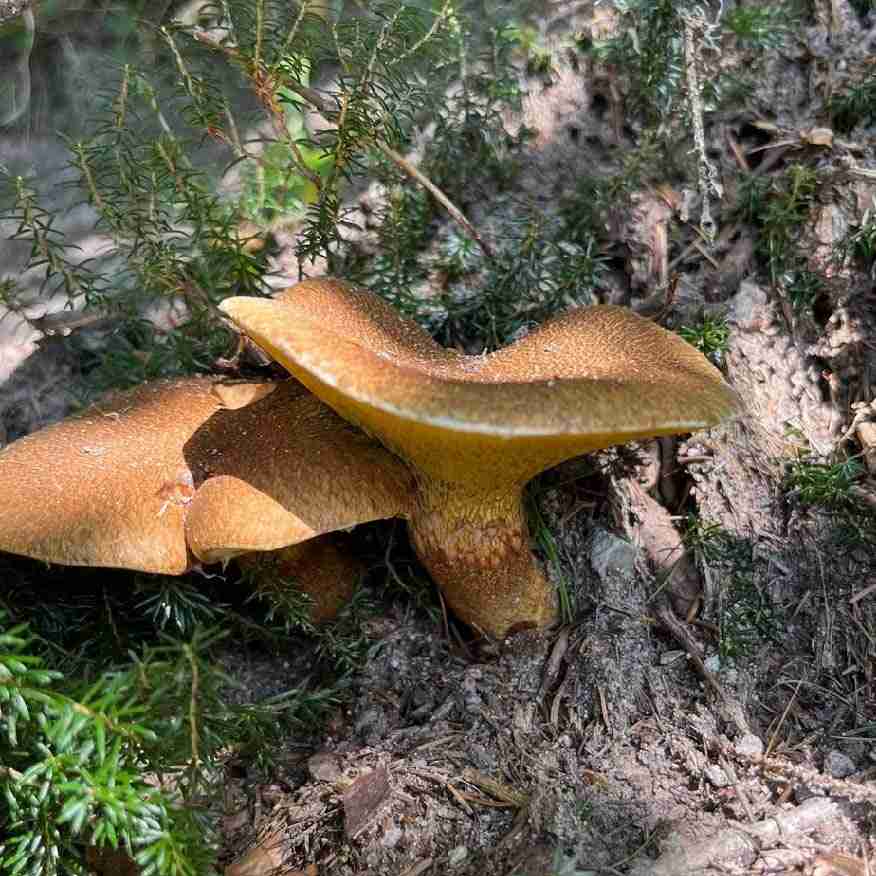
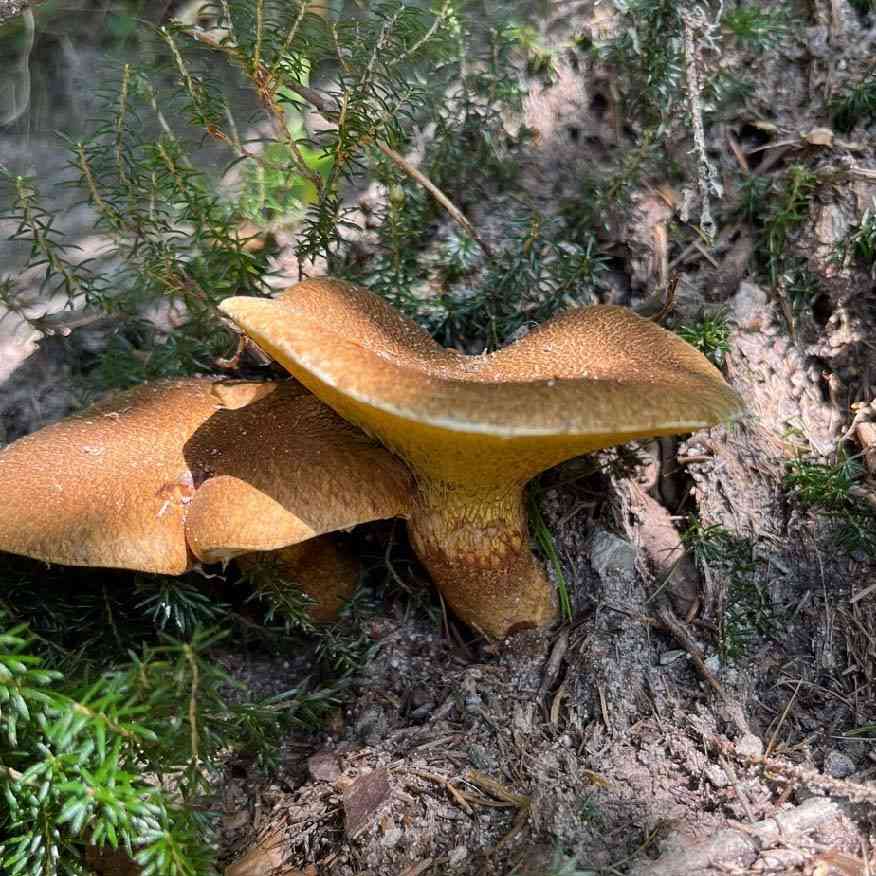
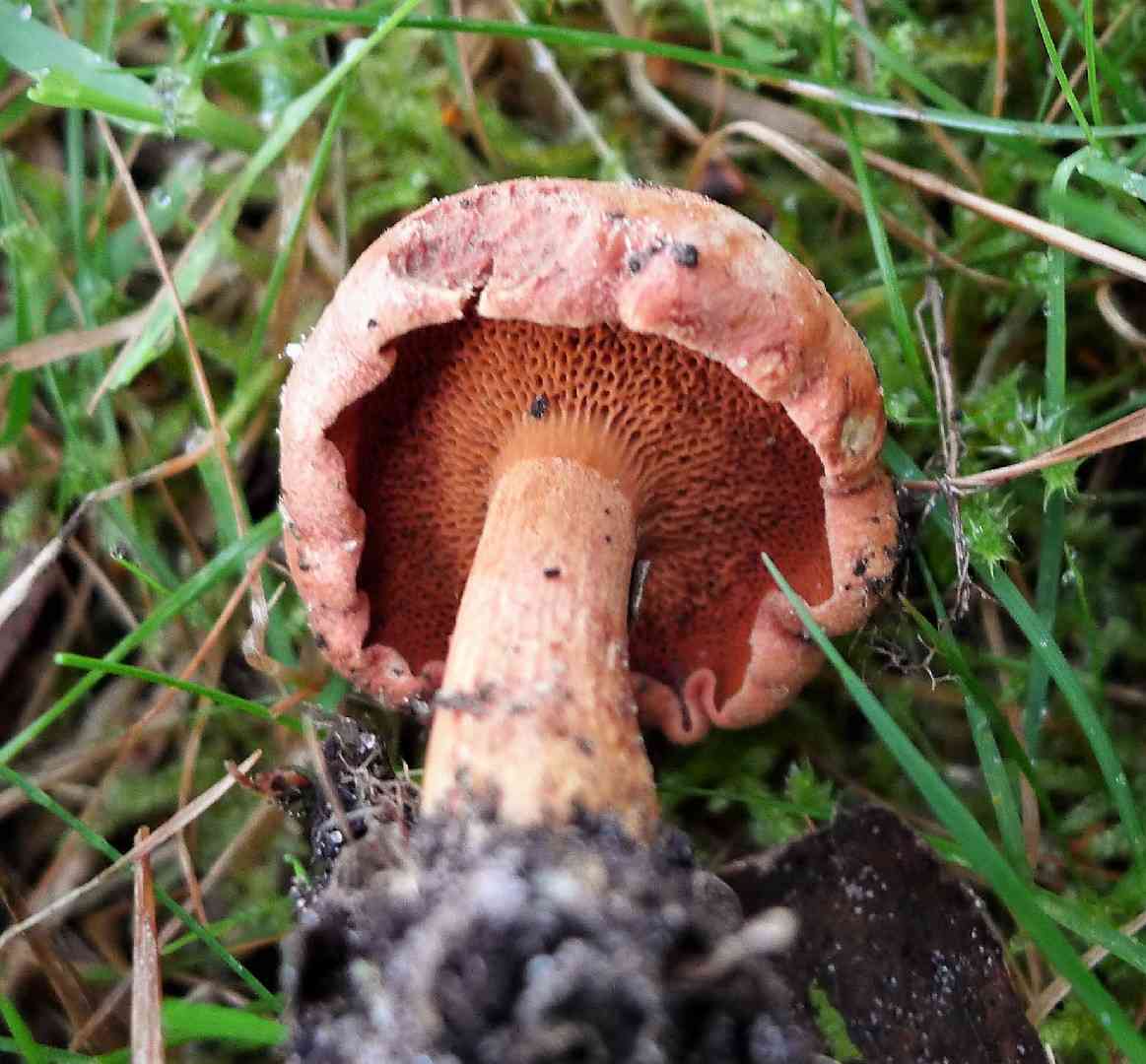
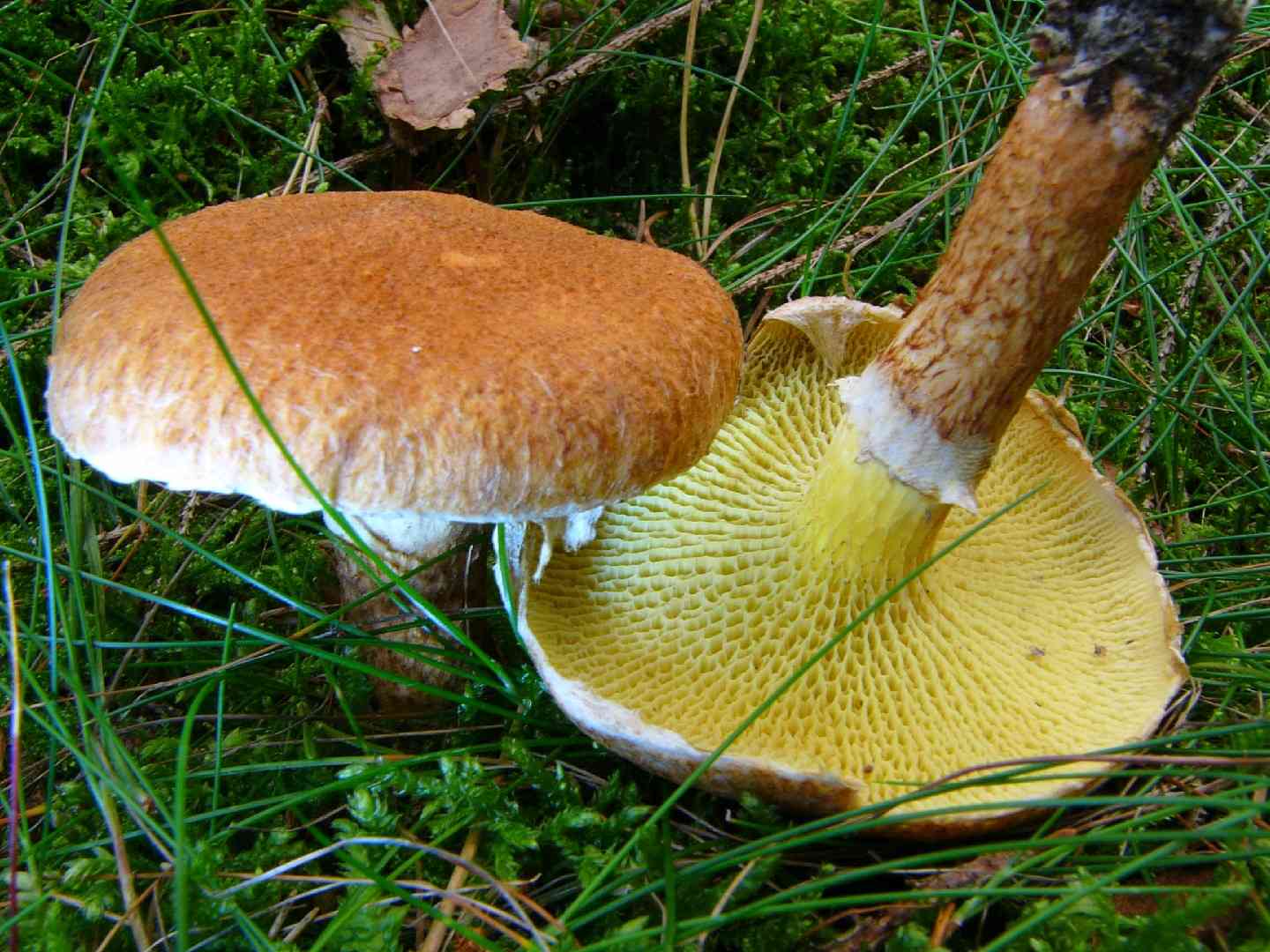
The Latin name of the Hollow bolete (Suillus cavipes) originates from its hollow stem, as 'cavipes' translates to 'hollow foot.' This fungus engages in a symbiotic relationship with larch trees. Characterized by a distinctive scaly brown cap, it can be found growing solitarily or in clusters.
In This Article
Attributes of Hollow bolete
Cap Diameter
4 - 9 cm
Height
4 - 8 cm
Cap
Cap 3 - 10 cm across; convex, flat to broadly umbonate; tawny to rusty or a reddish brown; with fibrous-scaly; margin with whitish veil remains
Cap Shape
Convex
Cap Surfaces
Fibrillose-scaly
Stem
Stem 4 - 9 cm long, 5 - 15 mm thick; bulbous; yellow, brownish; surface smooth, or with hairy below
Stem Shapes
Club Shaped
Stem Surfaces
Fibrillose
Flesh
White to yellowish; not staining on exposure
Ring
With Ring
Spore Print Color
Olive-ocher to clay-brown
Odor
Mildly mushroomy but not distinctive.
Body Color
BrownYellowRedWhite
Flesh Bruises
The flesh or milk does not discolor when bruised or cut.
Growth Form
Solitary, Gregarious
Nutrient Gathering
Mycorrhizal
Substrate
On soil
You can find Hollow bolete by these plants
European larch, Spruces, Pines
Occurence Habitats
Coniferous Woodland
Species Status
Not often seen
Endangered Species
No
Scientific Classification of Hollow bolete
Phylum
Club fungi
Class
Mushroom-forming fungi
Order
Boletes and allies
Family
Suillaceae
Genus
Slippery jacks
Toxicity and Edibility of Hollow bolete
Is Hollow bolete Toxic?
Toxicity information is not available for this mushroom. Always consult with an expert before consuming any wild mushrooms.