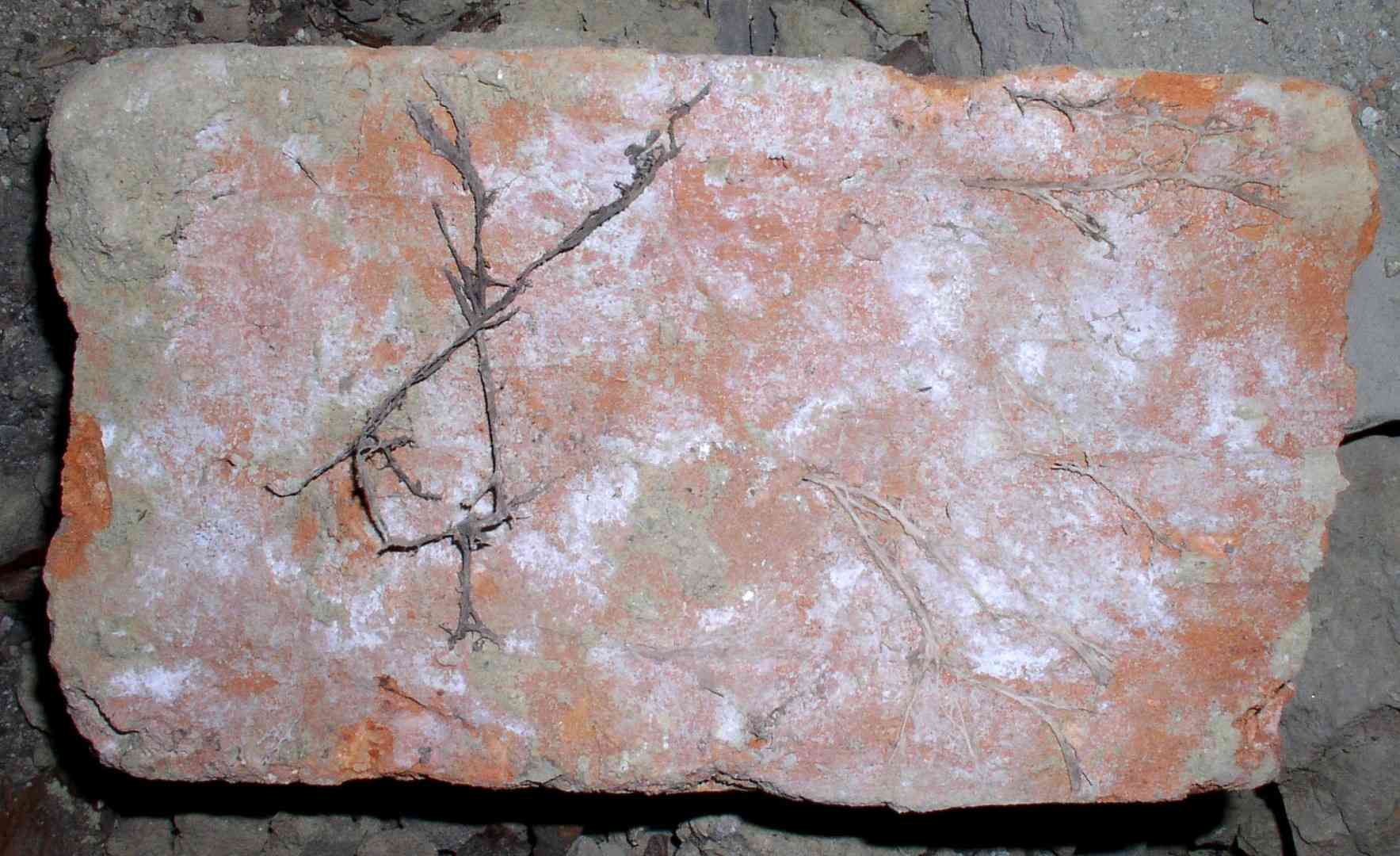
Dry rot
Serpula lacrymans
A species of Calcareous tubeworm.
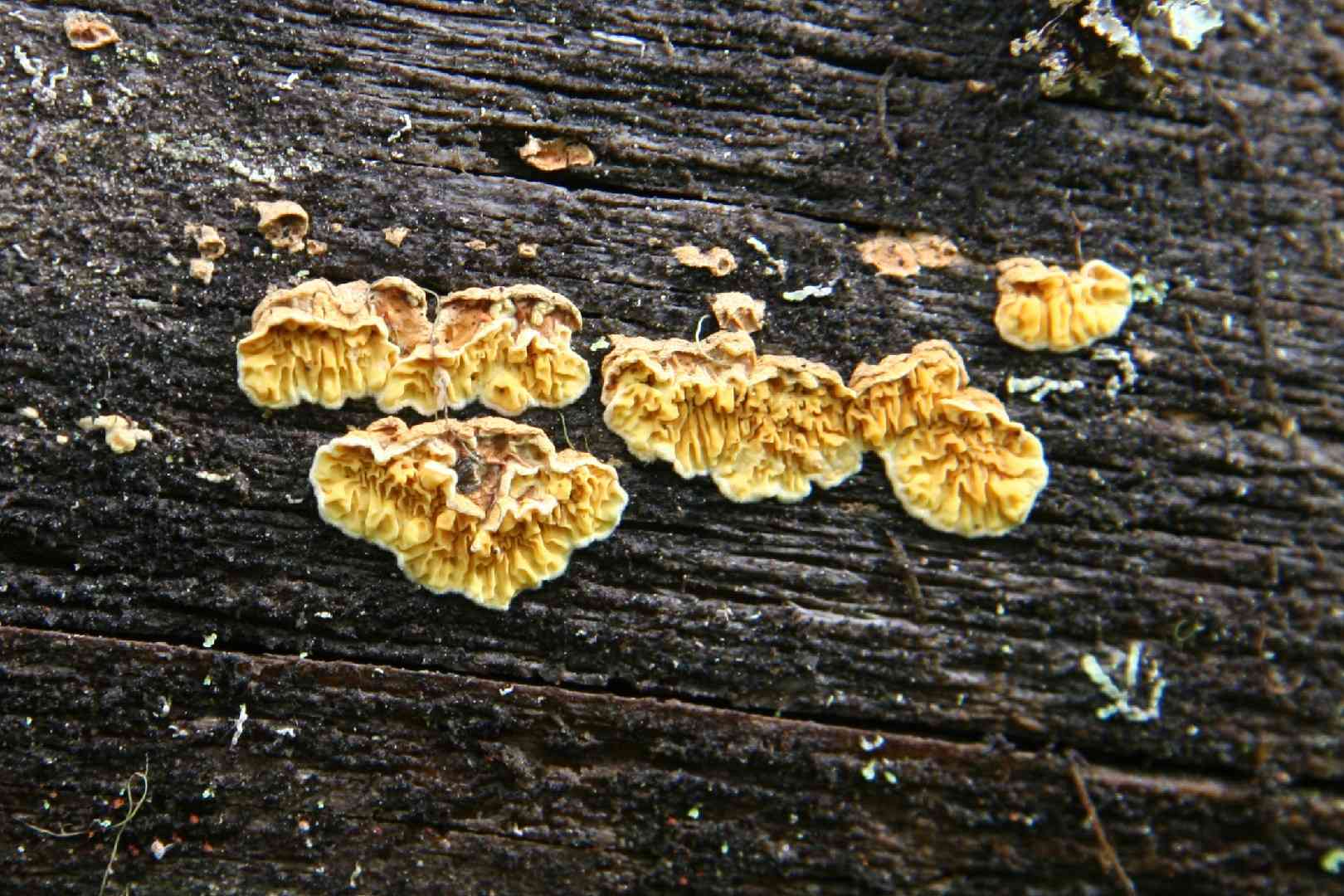
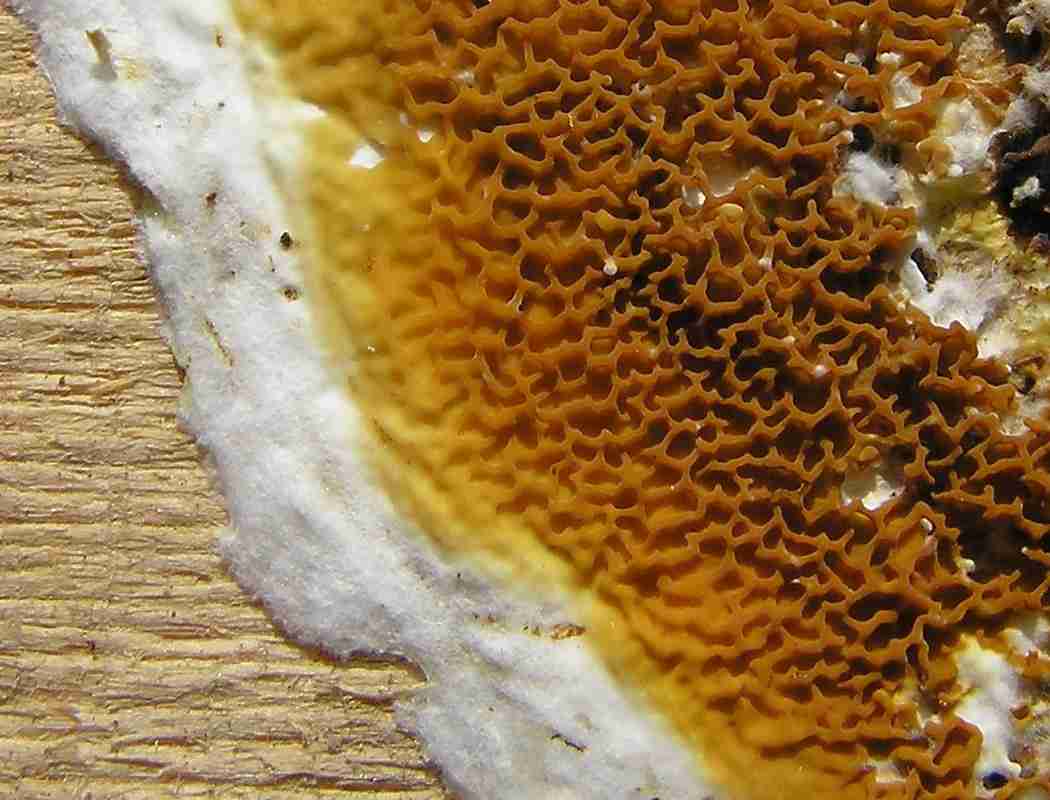
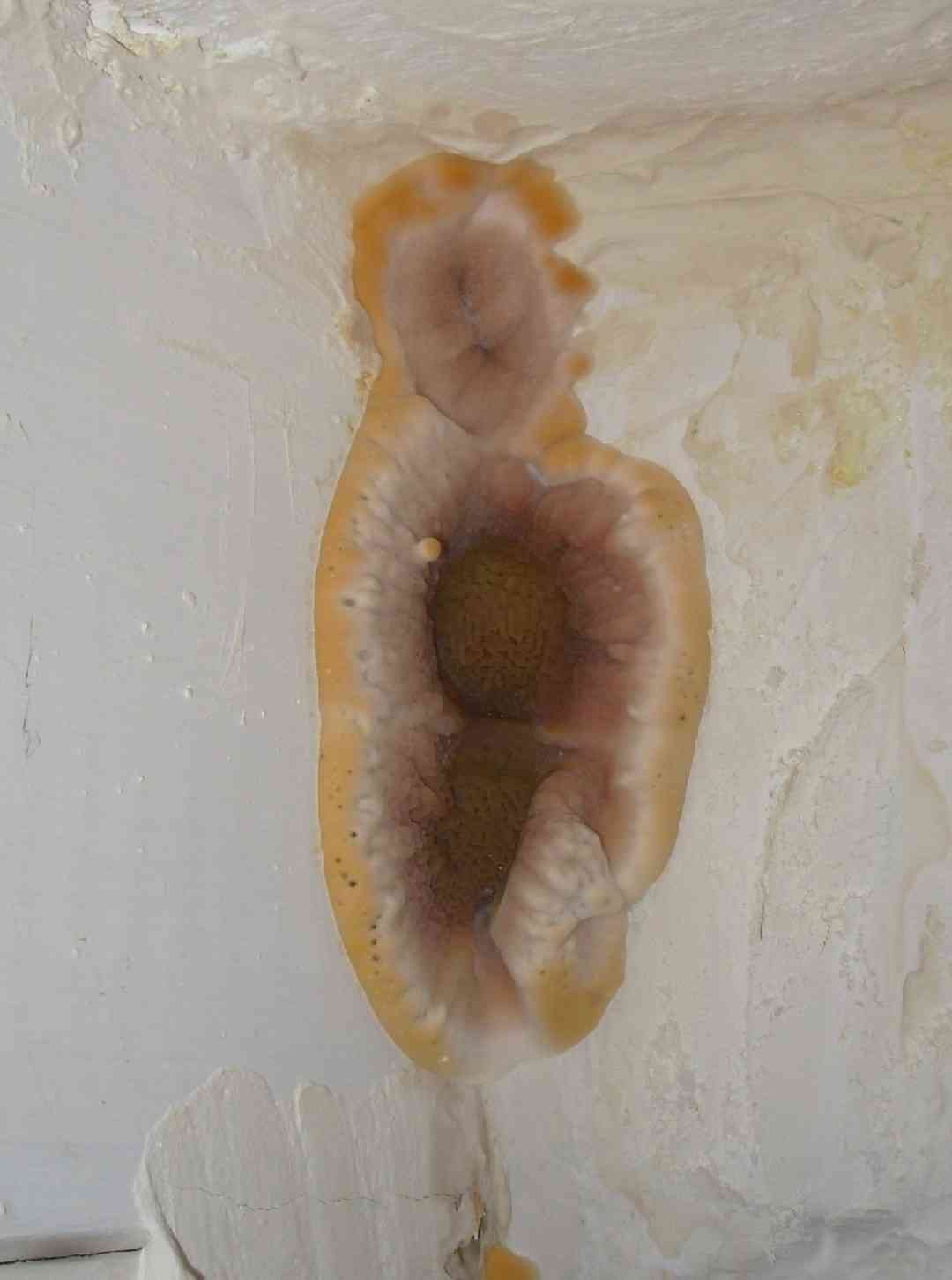
Serpula lacrymans, a highly destructive fungal species, earns its common moniker due to the arid decay it inflicts upon wood, both in living trees and structural timber. This pervasive organism, once rooted, proves challenging to eradicate, leading to considerable financial losses, particularly in regions with moderate climates.
In This Article
Attributes of Dry rot
Height
5 - 50 mm
Cap
Yellow-brown to rusty brown to dark brown; surface with deeply veined or wrinkled, netlike to pore-like
Spore Print Color
Brown
Odor
Mildly musty, nondescript
Body Color
BrownRed
Flesh Bruises
The flesh or milk does not discolor when bruised or cut.
Growth Form
Gregarious, Clustered
Nutrient Gathering
Parasitic
Substrate
On wood
You can find Dry rot by these plants
Firs, Spruces
Species Status
Common
Endangered Species
No
Scientific Classification of Dry rot
Phylum
Club fungi
Class
Mushroom-forming fungi
Order
Boletes and allies
Family
Serpulaceae
Genus
Calcareous tubeworm
Toxicity and Edibility of Dry rot
Is Dry rot Toxic?
Toxicity information is not available for this mushroom. Always consult with an expert before consuming any wild mushrooms.