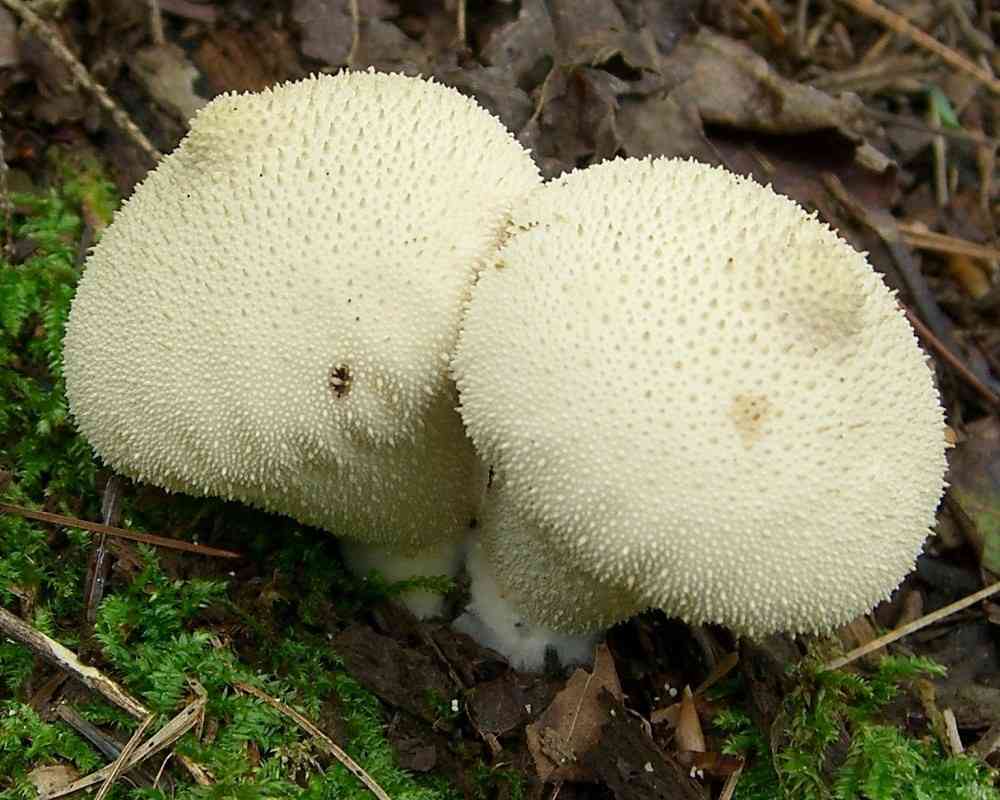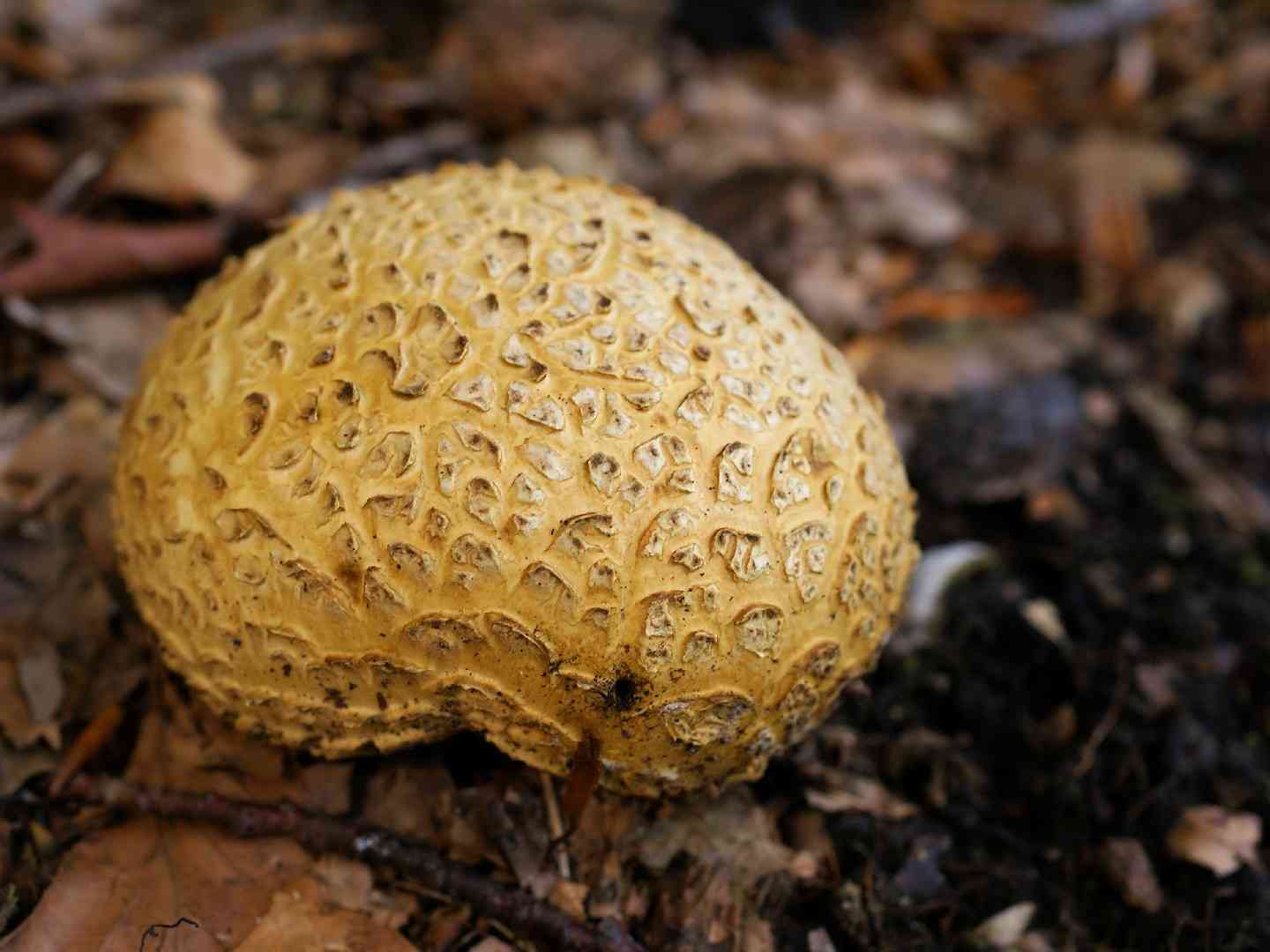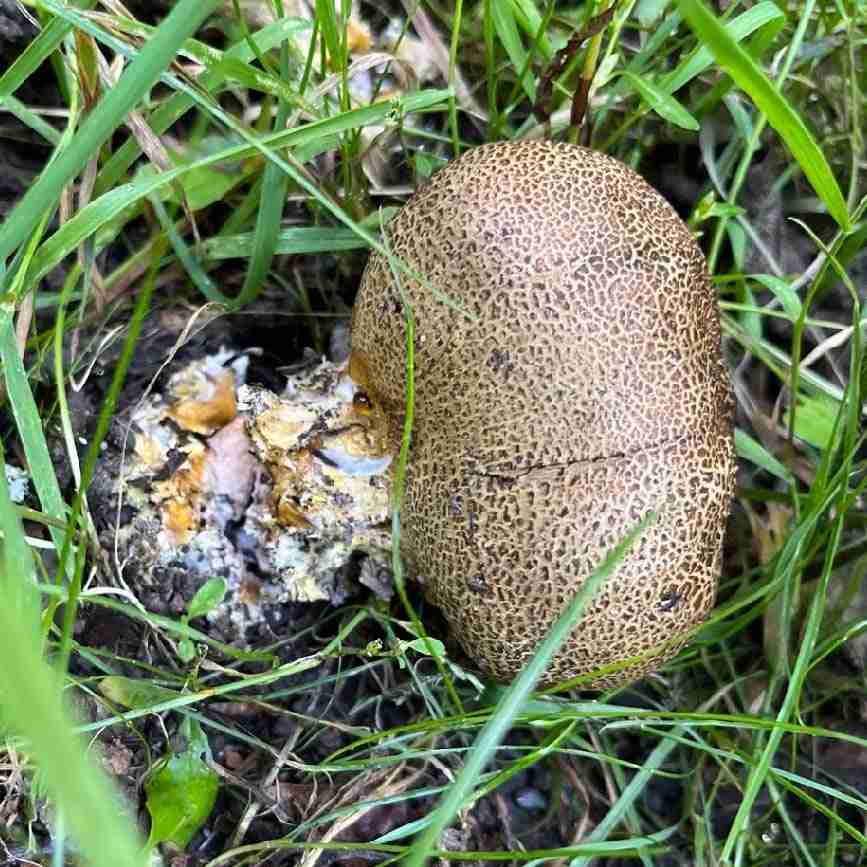
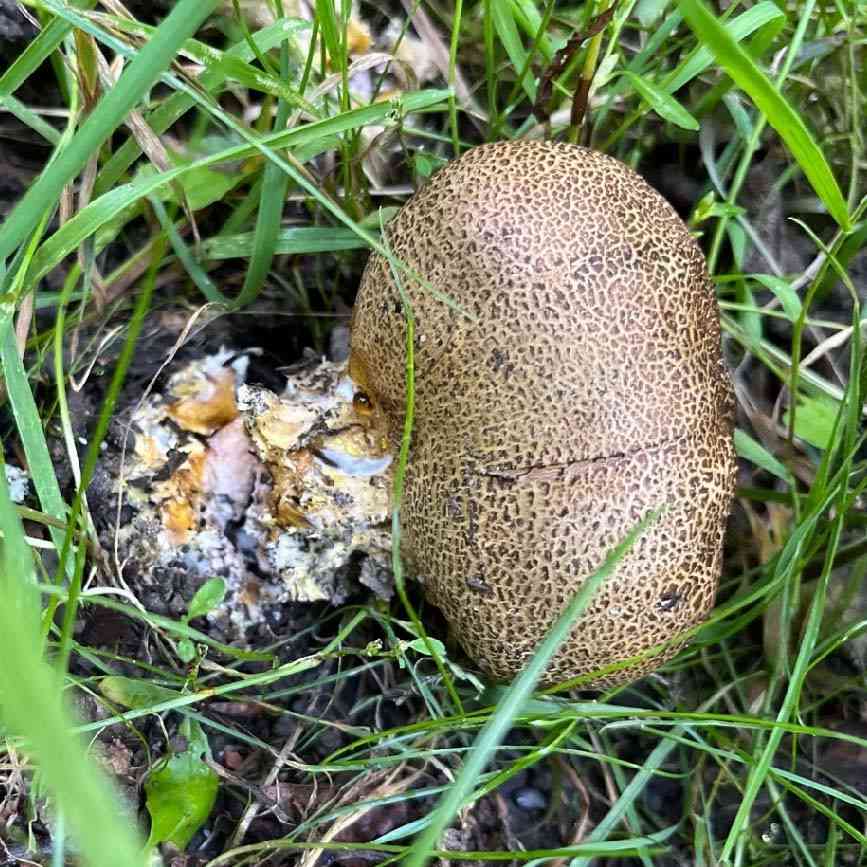
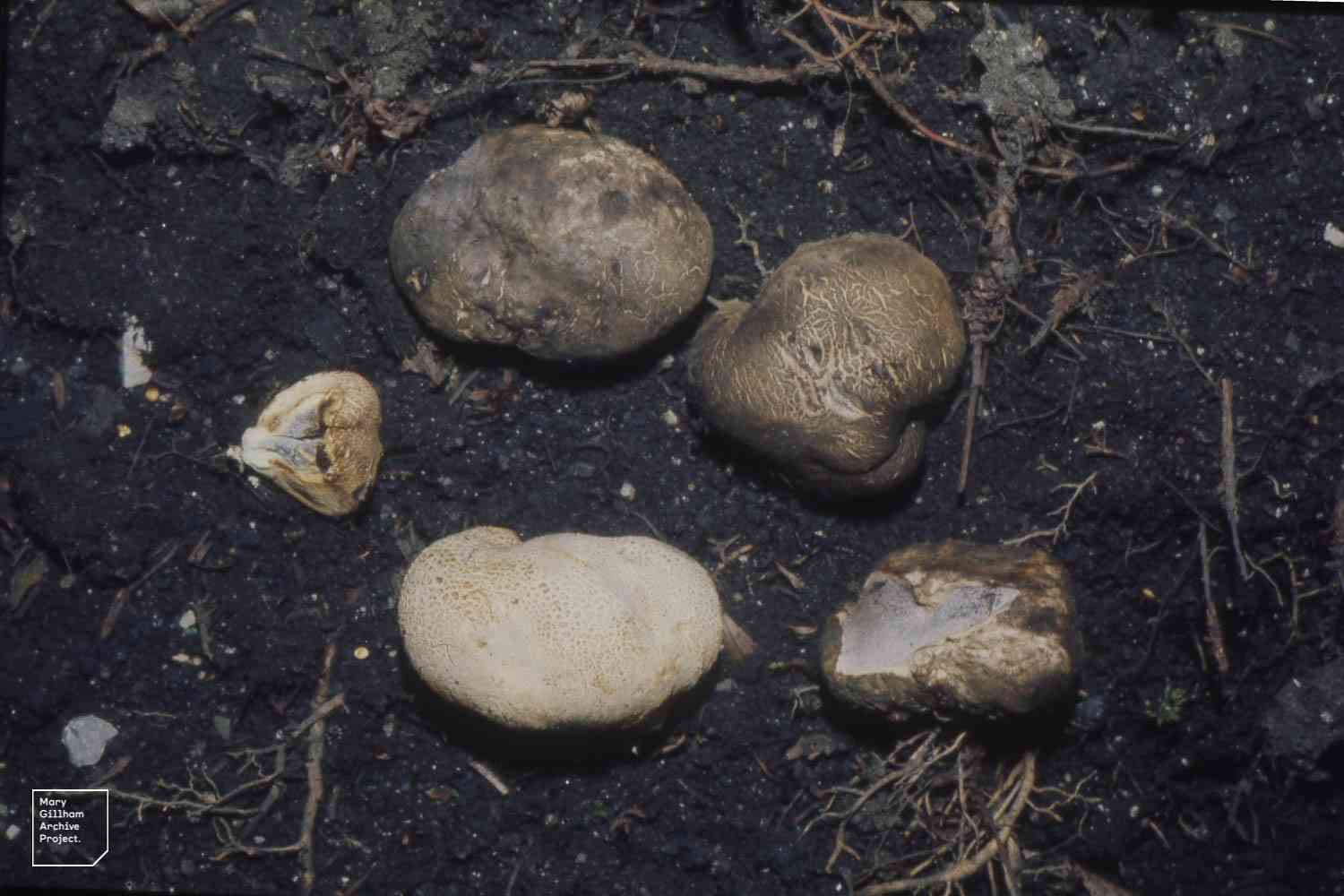
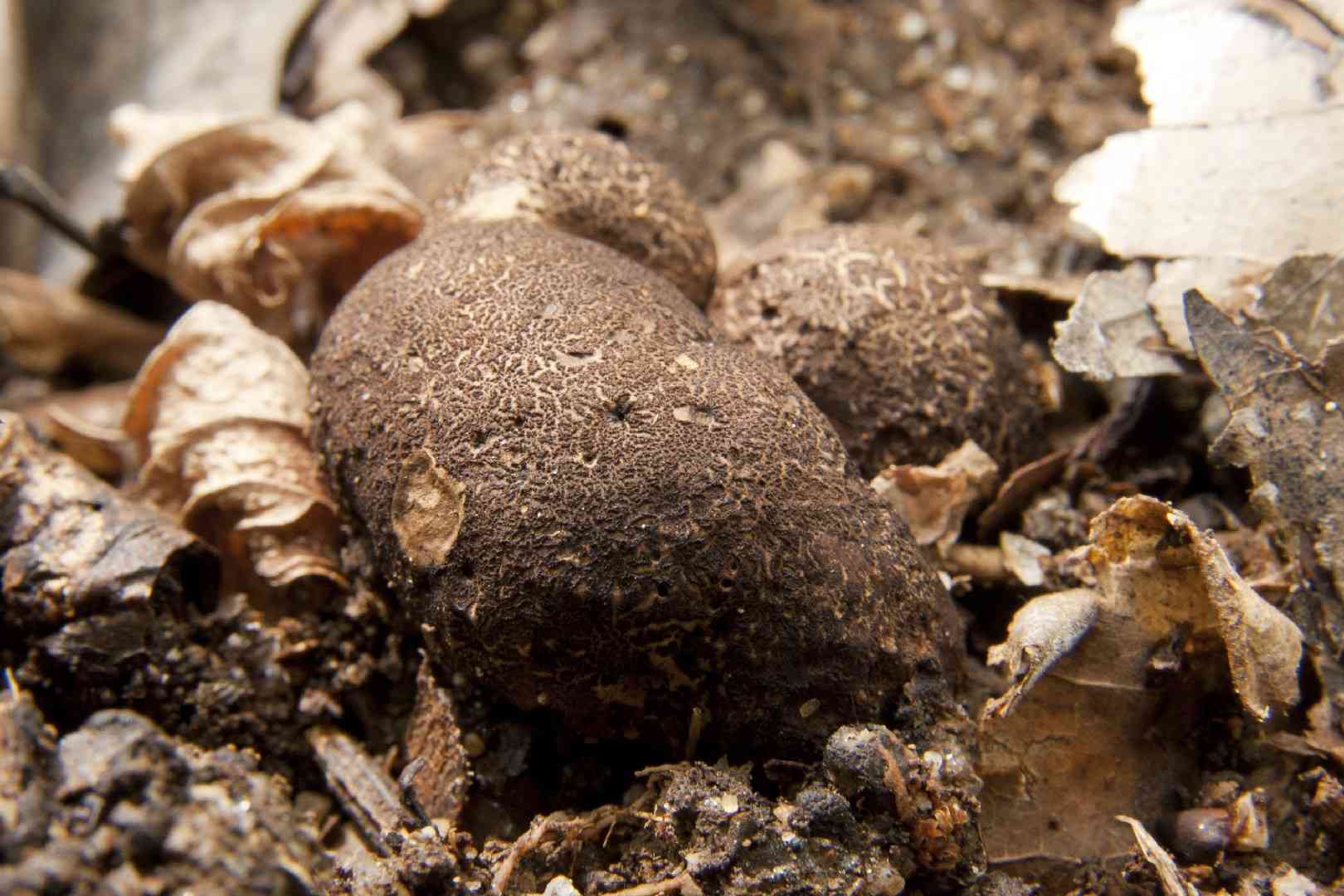
Scaly earthball
Scleroderma verrucosum
A species of Earth balls.
The scaly earthball, like many of its earthball kin, thrives in nutrient-rich sandy soils, often found in deciduous forests. Its distinctive name refers to its scaly cap, which is a source of a pinkish dye suitable for textiles.
In This Article
Attributes of Scaly earthball
Height
3 - 6 cm
Stem Shapes
Rooting
Flesh
Thin; turns pink to red when cut
Ring
Ringless
Spore Print Color
Dark brown
Odor
Mildly mushroomy but not distinctive.
Body Color
BrownYellowRed
Flesh Bruises
Discolor to pink or red
Growth Form
Solitary, Gregarious
Nutrient Gathering
Mycorrhizal
Substrate
On soil
You can find Scaly earthball by these plants
Pines, Oaks, Spruces, Populus
Occurence Habitats
Deciduous Woodland, Meadows, Scrublands, Disturbed Lands
Species Status
Widespread and common
Endangered Species
No
Scientific Classification of Scaly earthball
Phylum
Club fungi
Class
Mushroom-forming fungi
Order
Boletes and allies
Family
Hard-skinned puffballs
Genus
Earth balls
Toxicity and Edibility of Scaly earthball
Is Scaly earthball Toxic?
Ingesting the scaly earthball mushroom can be harmful, causing various adverse effects. It's advisable to avoid contact with this fungus.