
Split gill
Schizophyllum commune
A species of Schizophyllum. Also known as Gillies.
Schizophyllum commune, commonly known as split gill, has a worldwide distribution. It stands out as the sole mushroom species observed to exhibit retractable movement. While not toxic, it is generally considered unsuitable for consumption. Additionally, it is advised against inhaling its scent, as its spores have the potential to germinate and develop within nasal cavities.
In This Article
Attributes of Split gill
Cap Diameter
1 - 4 cm
Height
1 - 6 cm
Cap
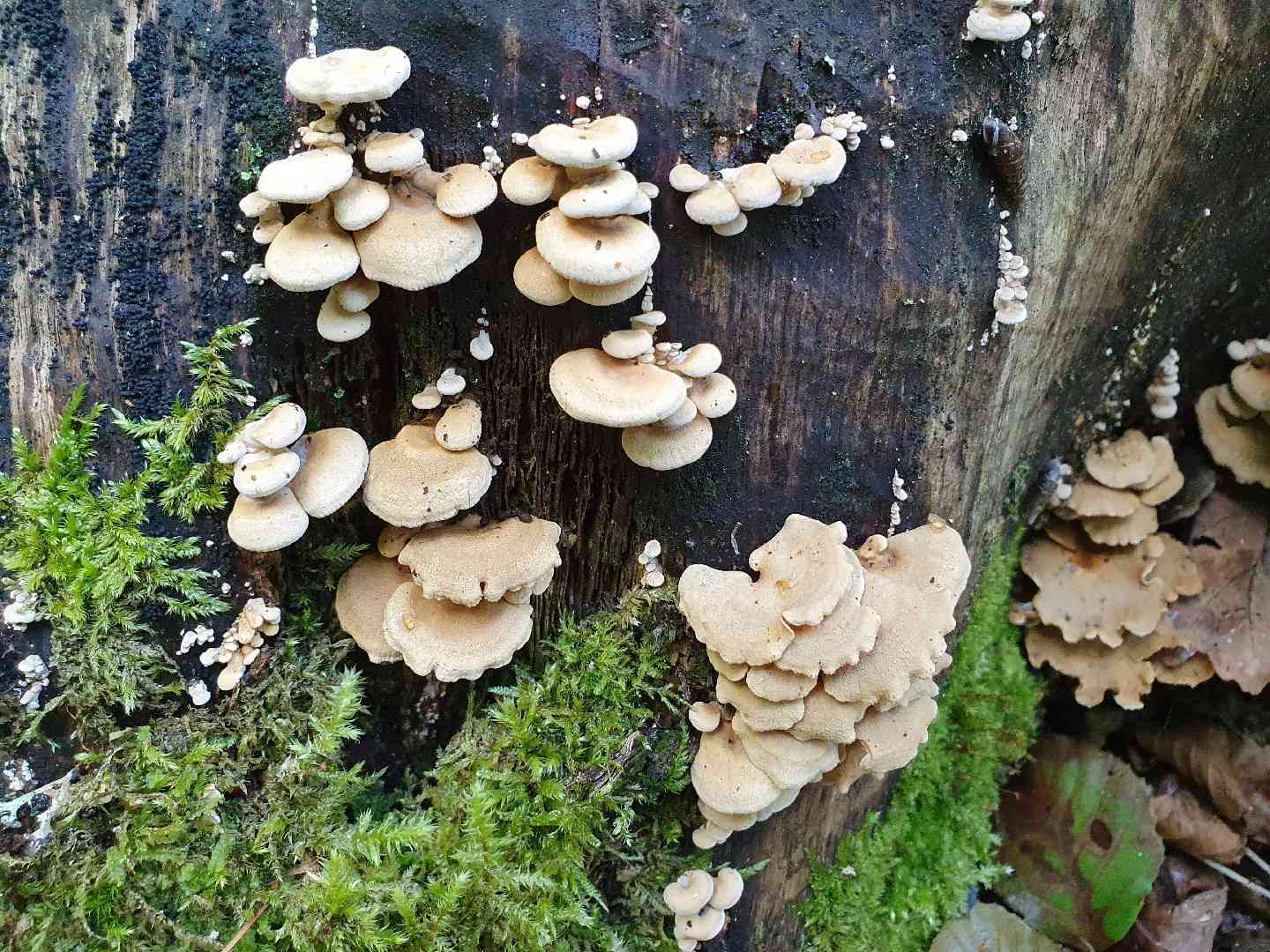
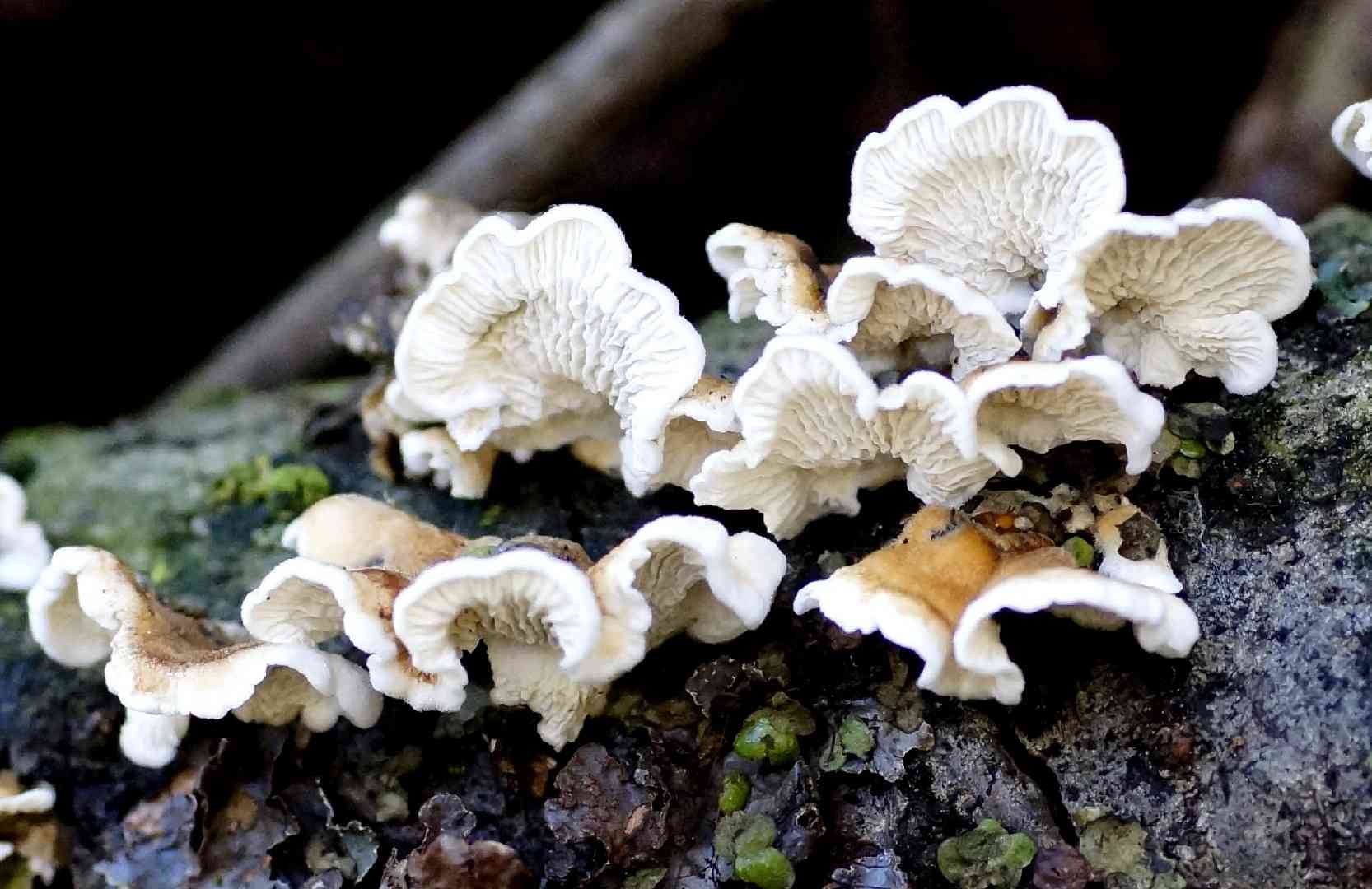
Cap 1 - 4 cm across; fan-shaped, shell-shaped; whitish to grayish or brownish
Cap Surfaces
Fibrillose-scaly, Velvety
Gills
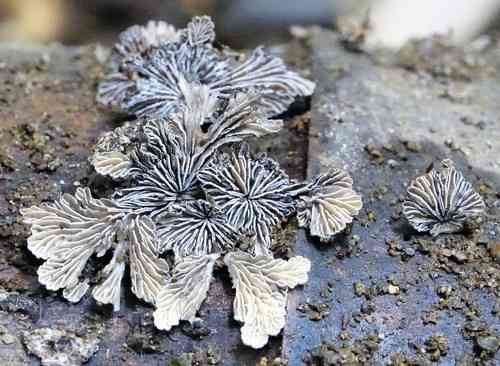
Distant; folded together and appearing split down the middle; whitish to grayish
Stem
Absent
Flesh
Thin; tough and leathery; whitish; not changing when sliced
Spore Print Color
White
Odor
Mildly earthy, not particularly distinctive.
Body Color
BrownGrayWhite
Flesh Bruises
The flesh or milk does not discolor when bruised or cut.
Growth Form
Solitary, Clustered, Gregarious
Nutrient Gathering
Saprophytic
Substrate
Dead Woods, Wood of Living Trees
You can find Split gill by these plants
European beech
Occurence Habitats
Deciduous Woodland, Disturbed Lands
Species Status
Widely distributed
Endangered Species
No
Scientific Classification of Split gill
Phylum
Club fungi
Class
Mushroom-forming fungi
Order
Gilled fungi
Family
Schizophyllaceae
Genus
Schizophyllum
Toxicity and Edibility of Split gill
Is Split gill Toxic?
Schizophyllum commune, also known as the split gill mushroom, commonly thrives in diverse habitats across different times of the year. It's identifiable by its distinct physical characteristics, but users should exercise care due to its potential to trigger allergic reactions.
Type of poisoning
Allergic
Toxic Severity
Low toxicity
Incubation Period
0.5-24 hours
Poisoning Symptoms
Individual responses to a mushroom allergy can differ widely, with reactions spanning from slight to intense, including skin rashes, itching, swelling in the mouth, stomach upset, and respiratory issues. In severe cases, it can lead to anaphylaxis, which requires immediate medical attention.