Poplar bells
Schizophyllum amplum
A species of Schizophyllum.
Poplar bells, a distinctive fungus, stands out with its characteristic fan-like appearance and preference for decaying wood, particularly that of poplar trees. Its prominent gilled structure is noteworthy, and the species serves a crucial ecological function by aiding in the decomposition of organic matter.
In This Article
Attributes of Poplar bells
Cap Diameter
1 - 2 cm
Cap
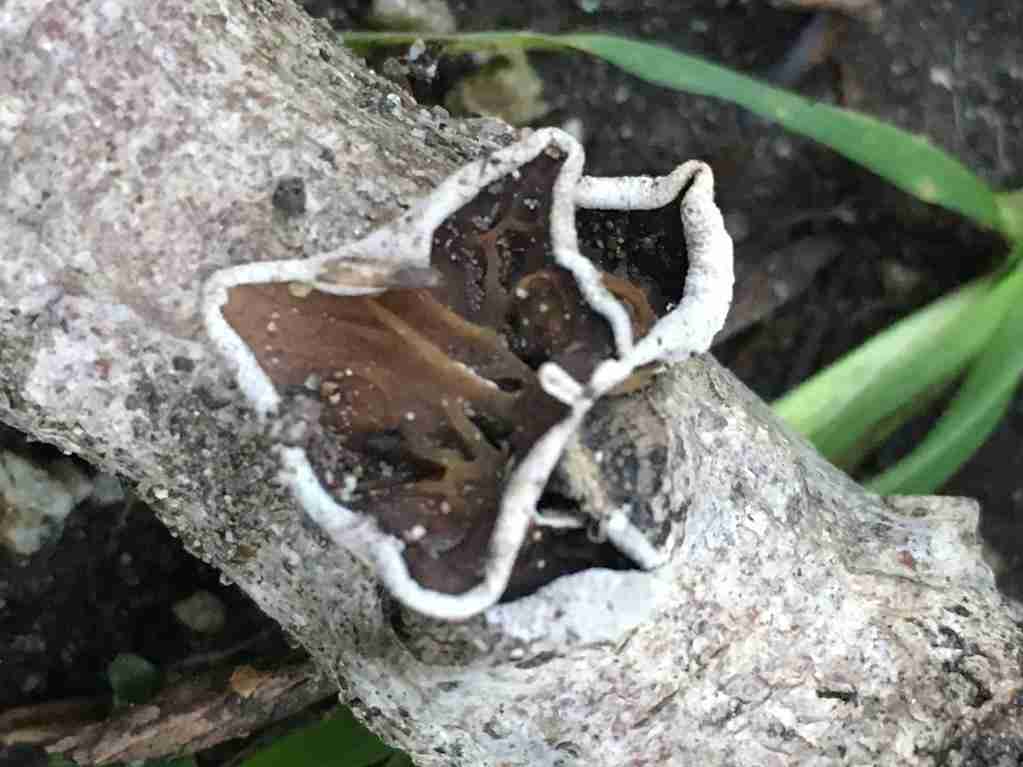
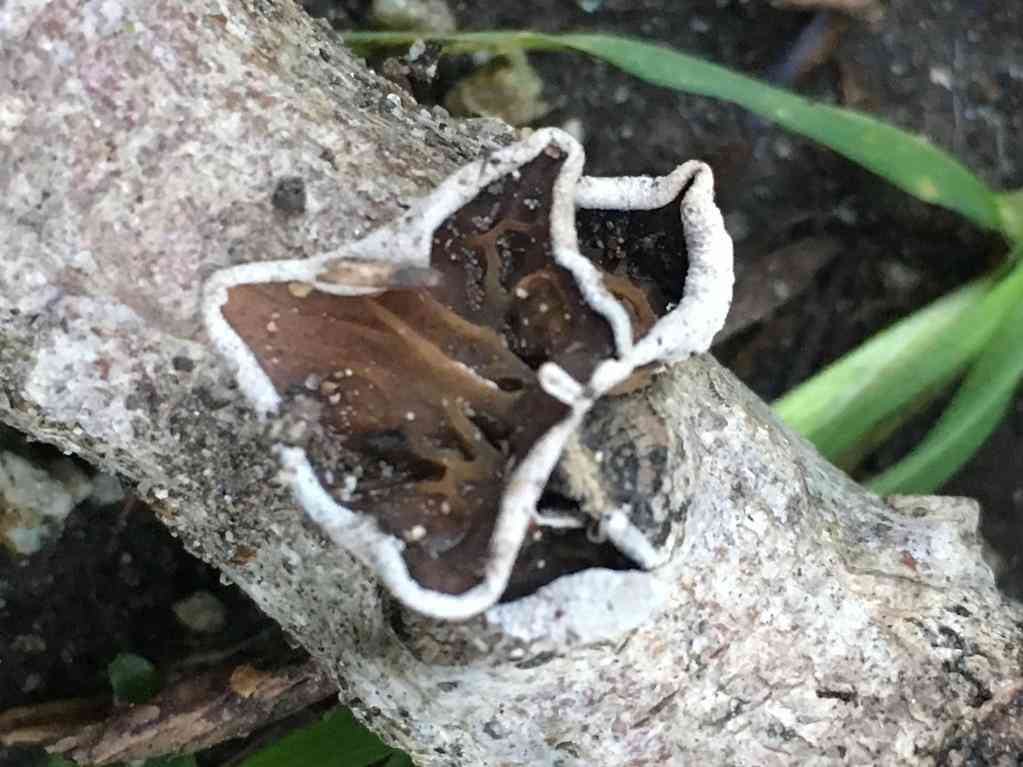
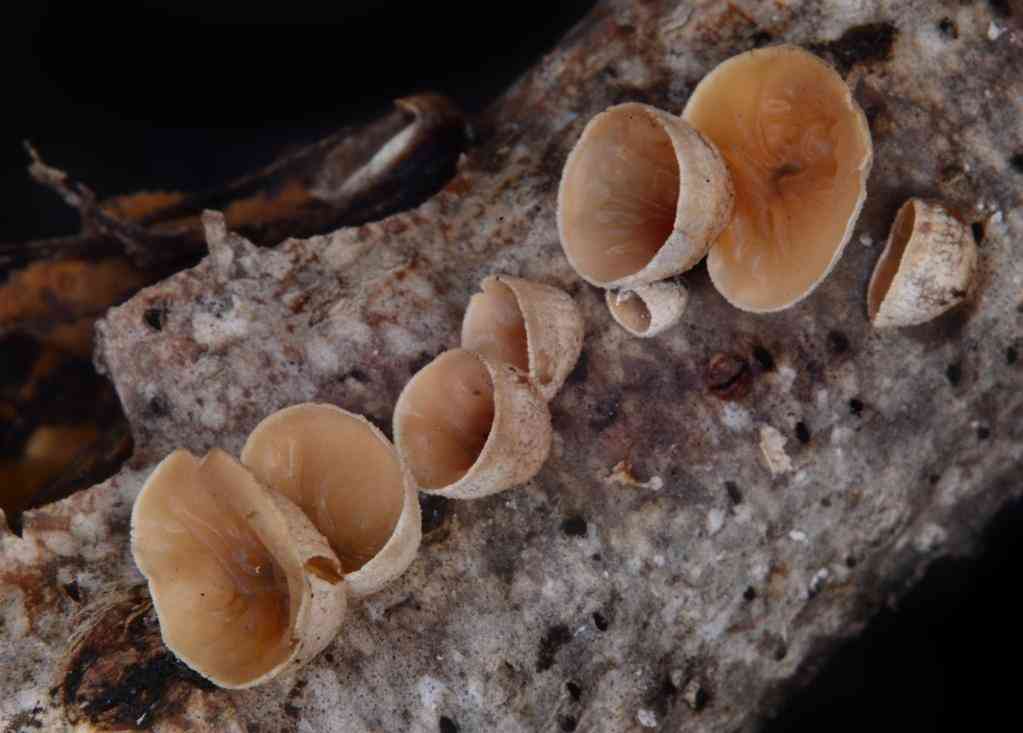
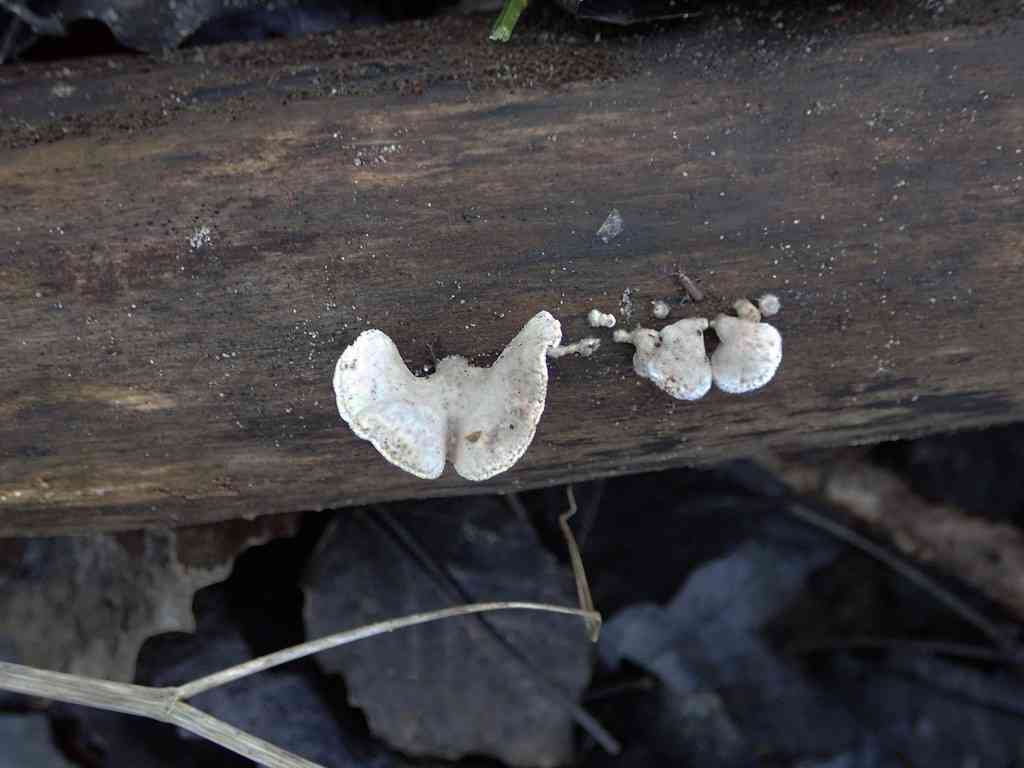
5 - 15 mm wide; flat, to bowl-shaped; whitish to cream
Cap Shape
Depressed
Cap Surfaces
Fibrillose-scaly
Flesh
Thin; gelatinous
Spore Print Color
White
Odor
Subtle, generic mushroom-like aroma.
Body Color
WhiteCream
Flesh Bruises
The flesh or milk does not discolor when bruised or cut.
Growth Form
Solitary, Gregarious
Nutrient Gathering
Saprophytic
Substrate
Dead Woods
You can find Poplar bells by these plants
Populus, Willows, European aspen
Occurence Habitats
Deciduous Woodland
Species Status
Uncommon
Endangered Species
No
Scientific Classification of Poplar bells
Phylum
Club fungi
Class
Mushroom-forming fungi
Order
Gilled fungi
Family
Schizophyllaceae
Genus
Schizophyllum
Toxicity and Edibility of Poplar bells
Is Poplar bells Toxic?
Toxicity information is not available for this mushroom. Always consult with an expert before consuming any wild mushrooms.

