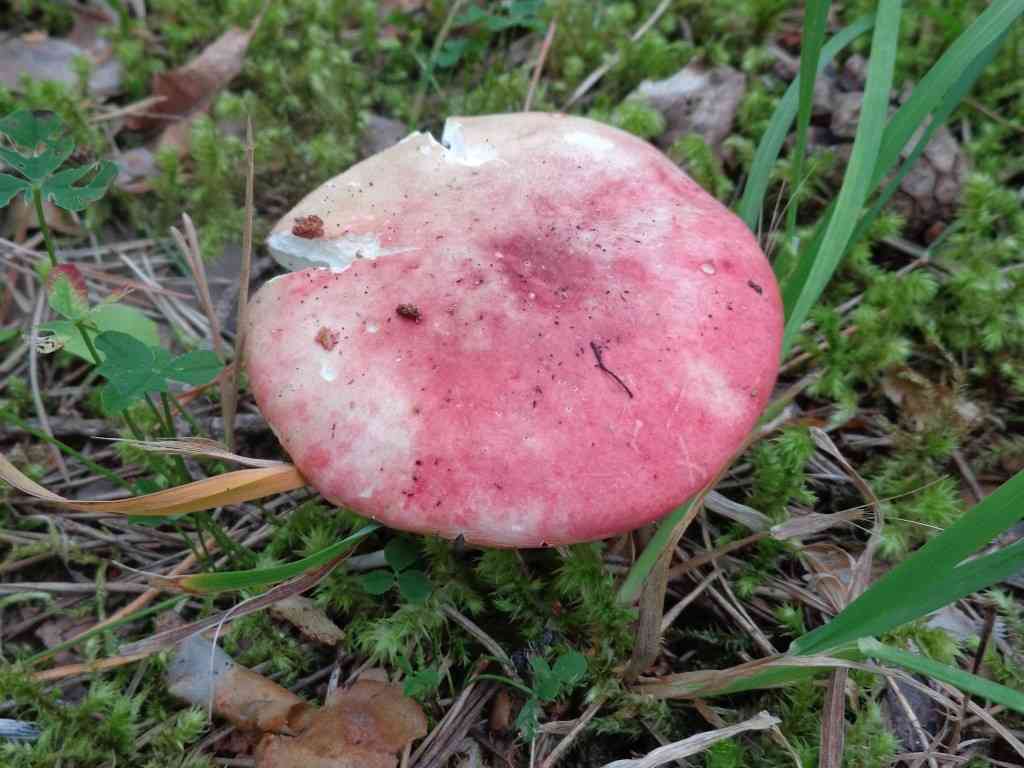
Bare-toothed Russula
Russula vesca
A species of Russulas. Also known as The Flirt.
The Russula vesca, commonly known as the Bare-toothed Russula, derives the first part of its scientific name, Russula, from the Latin word for red color, reflecting the distinctive hue of its cap. The latter half of its name, vesca, signifies edible. However, this does not automatically qualify it as a safe food source for consumption. This widely distributed fungal species is frequently observed growing in close proximity to oak and beech trees.
In This Article
Attributes of Bare-toothed Russula
Cap Diameter
4 - 11 cm
Height
4 - 12 cm
Cap
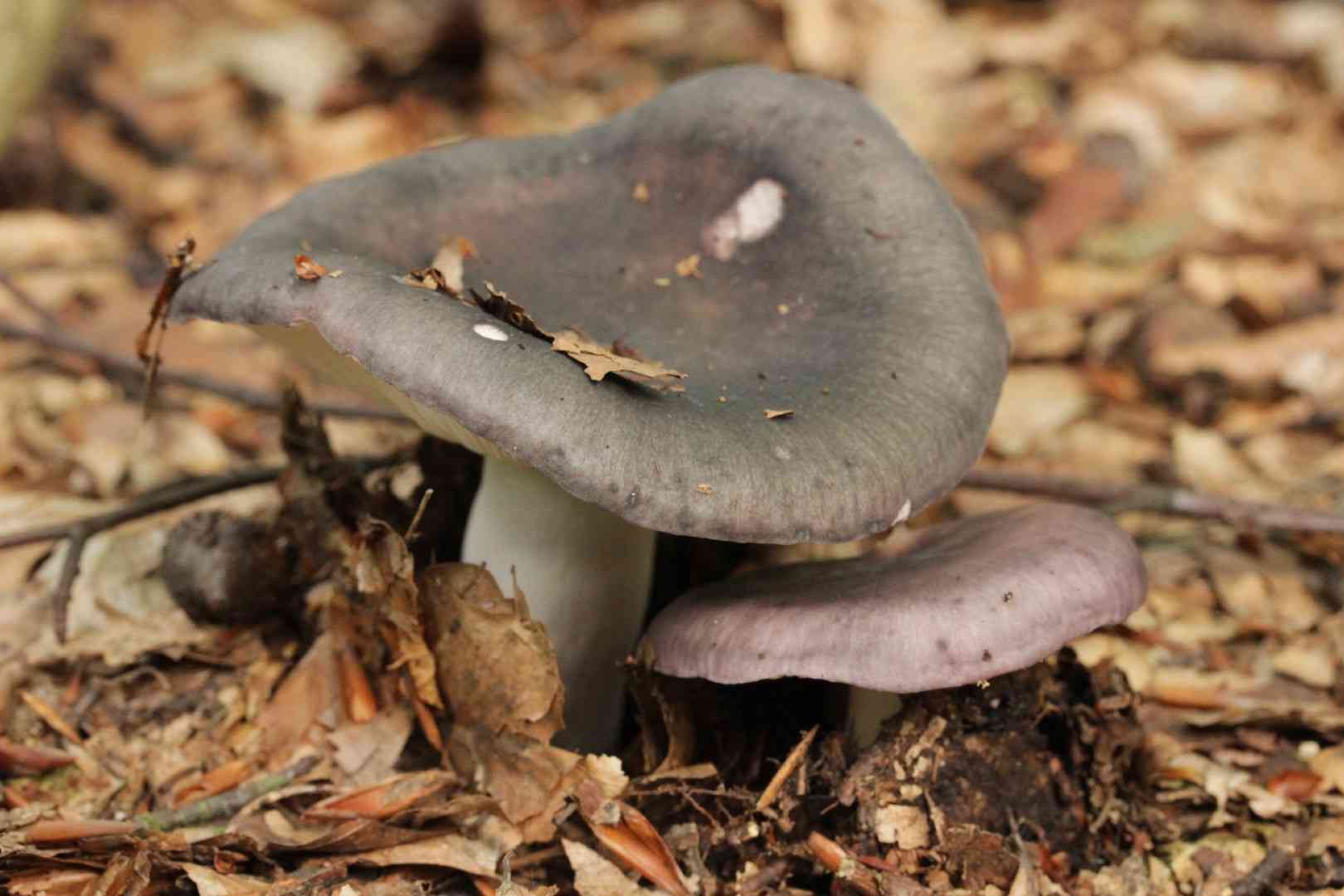
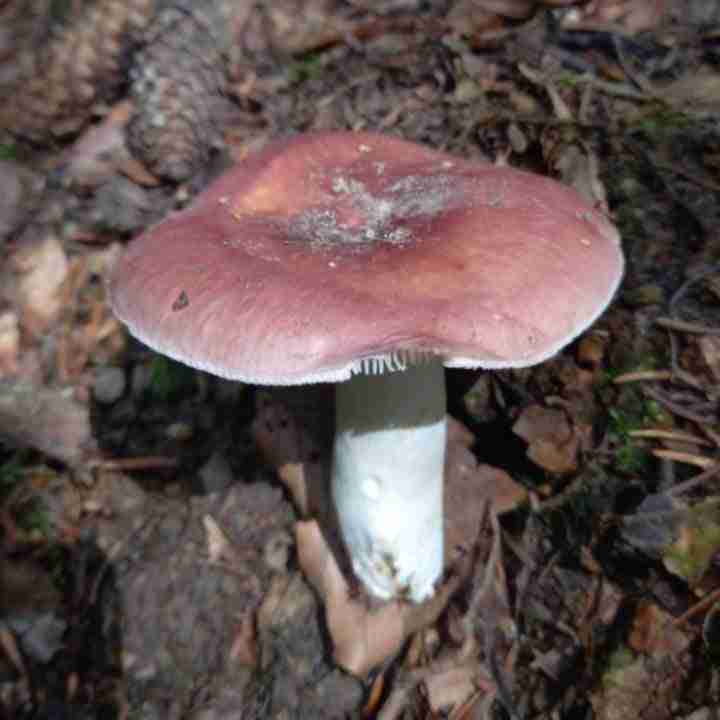
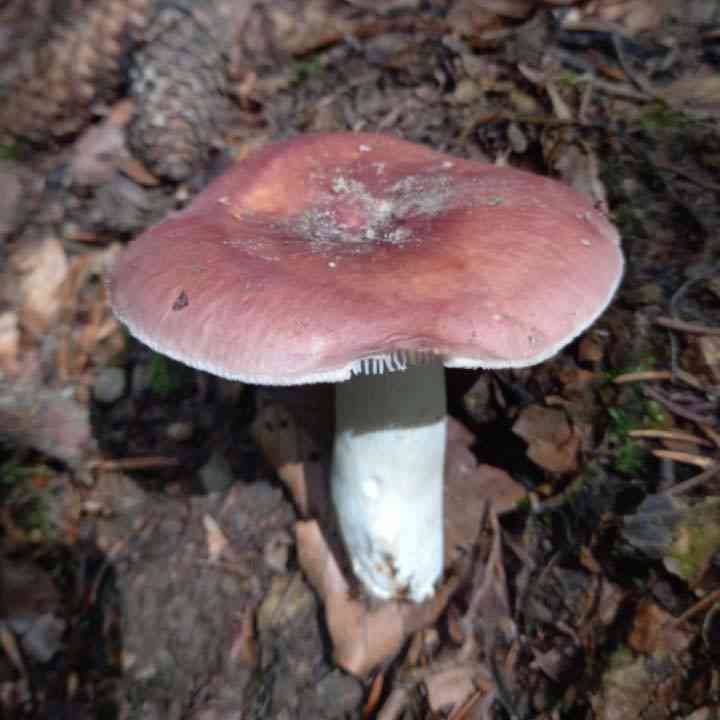
Cap 5 - 10 cm wide; flat, convex; brownish to dark brick-red; weakly sticky, smooth
Cap Shape
Convex, Depressed
Cap Surfaces
Smooth
Gills
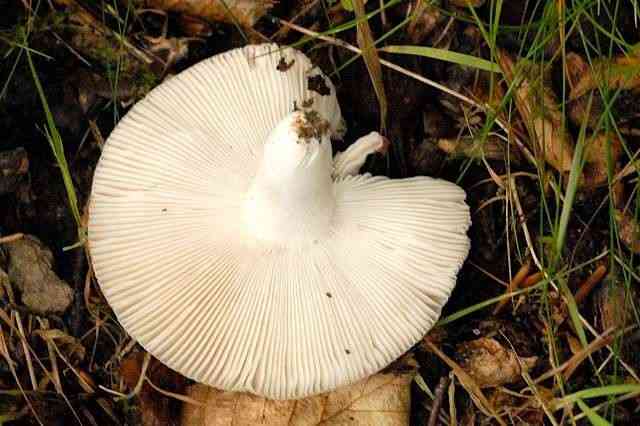
Close apart; white
Gill Attachment
Attached
Stem
2 - 7 cm long, 1.5 - 2.5 cm wide; narrows toward the base; white; smooth; turns deep salmon when rubbed with iron salts
Stem Shapes
Cylindrical
Stem Surfaces
Smooth
Flesh
White
Ring
Ringless
Spore Print Color
White
Odor
Mildly mushroomy, subtle, without distinctiveness.
Body Color
BrownRedWhite
Flesh Bruises
The flesh or milk does not discolor when bruised or cut.
Growth Form
Solitary, Gregarious, Scattered
Nutrient Gathering
Mycorrhizal
Substrate
On soil
You can find Bare-toothed Russula by these plants
Spruces, Pines, Oaks
Occurence Habitats
Deciduous Woodland, Coniferous Woodland
Species Status
Least Concern
Endangered Species
No
Scientific Classification of Bare-toothed Russula
Phylum
Club fungi
Class
Mushroom-forming fungi
Order
Russulales
Family
Russulaceae
Genus
Russulas
Toxicity and Edibility of Bare-toothed Russula
Is Bare-toothed Russula Toxic?
Toxicity information is not available for this mushroom. Always consult with an expert before consuming any wild mushrooms.