Rosy russula
Russula rosea
A species of Russulas.
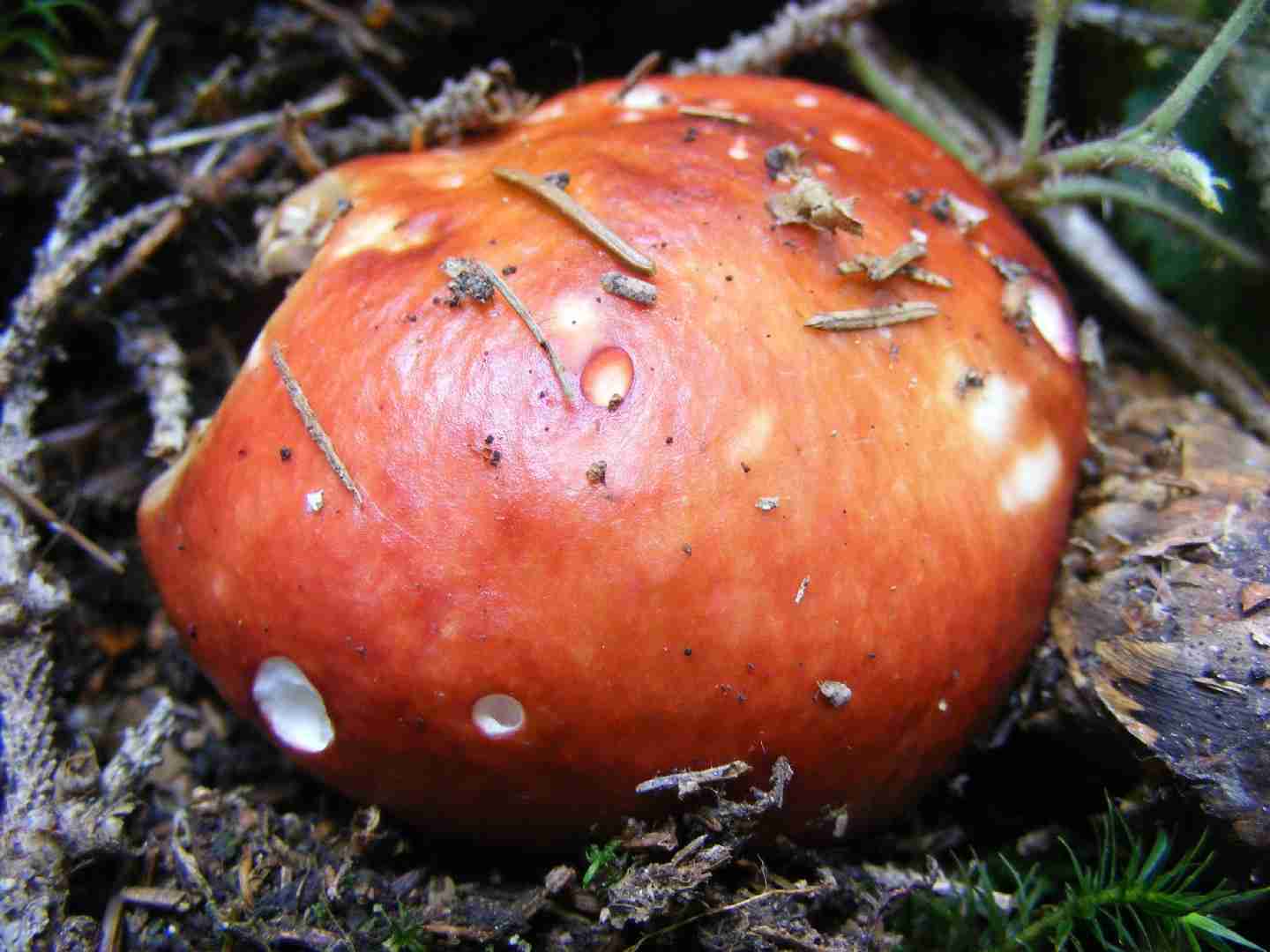
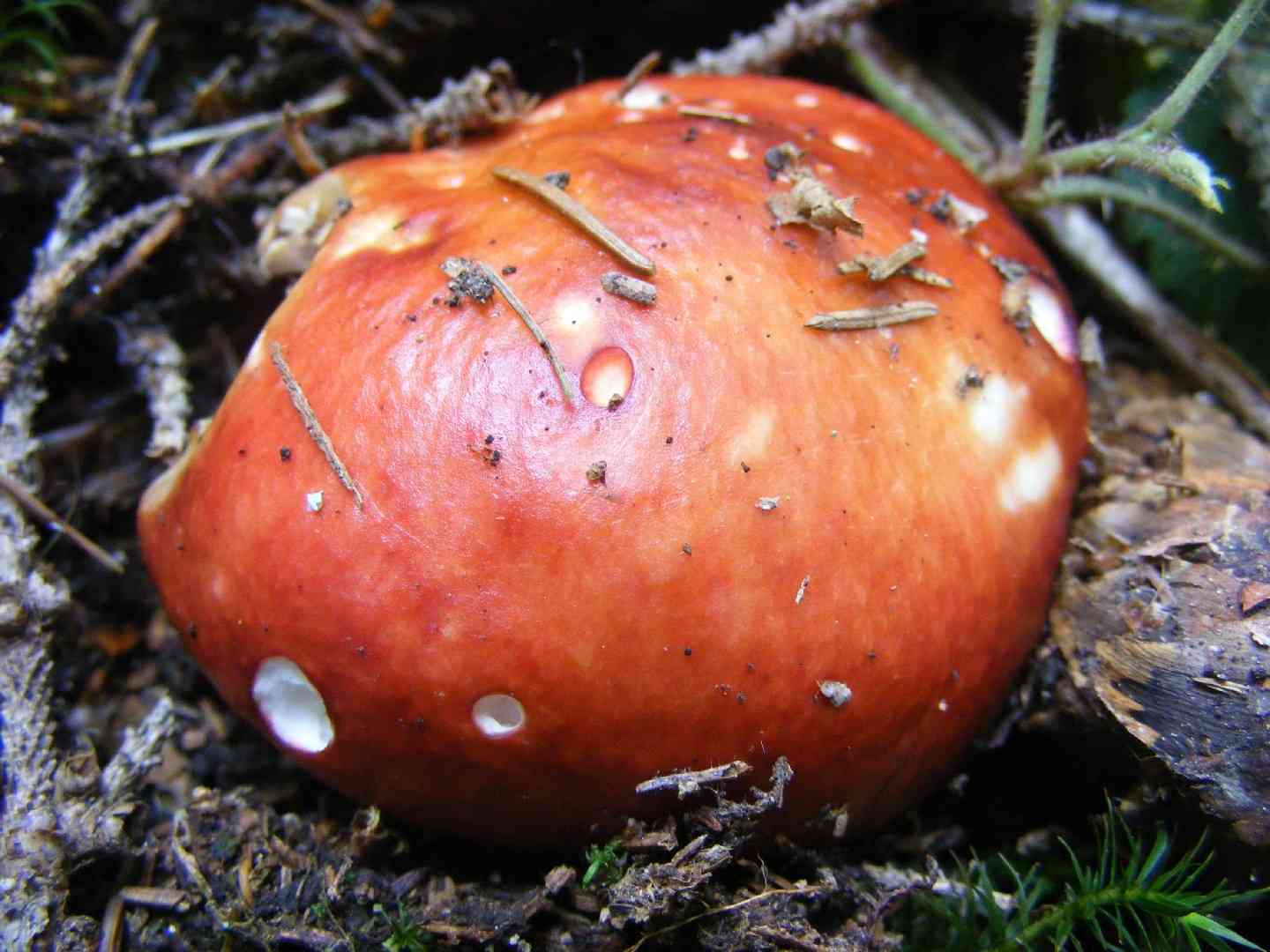
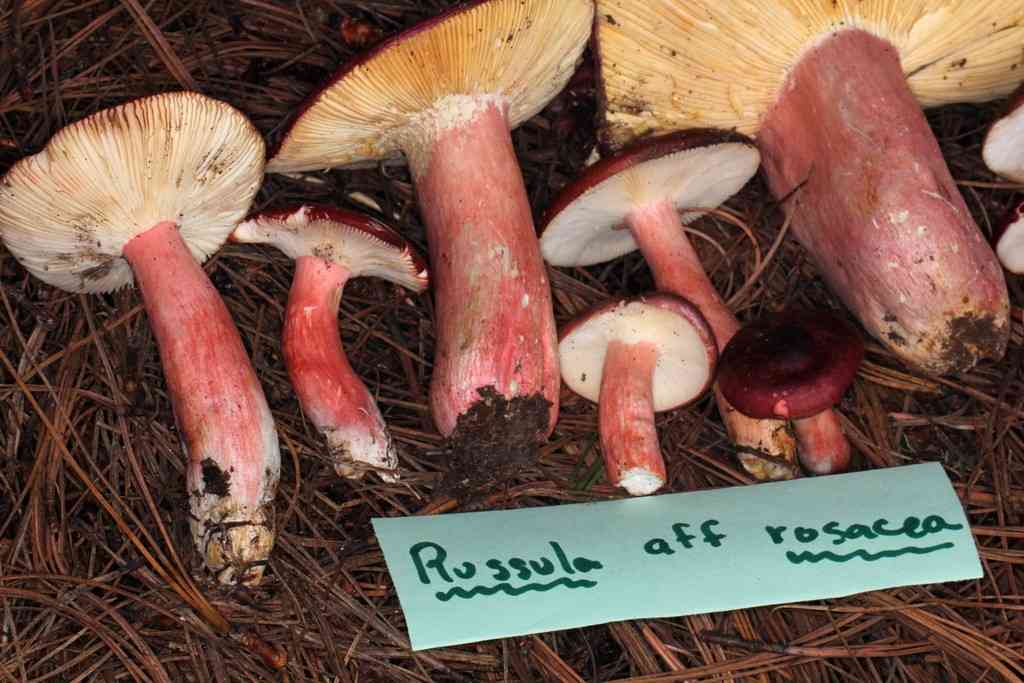
The rosy russula is recognizable by its vivid cap, which displays a spectrum of pink to purple hues. Its cream-colored gills are tightly packed and attached beneath the cap. Initially, the cap of a young rosy russula is domed, gradually flattening as it matures. The mushroom features a sturdy white stem that complements its cap. This species thrives in the moist, nutrient-rich soils of woodland environments and is commonly encountered in both deciduous and coniferous forests.
In This Article
Attributes of Rosy russula
Cap Diameter
4 - 13 cm
Height
6 - 15 cm
Cap
Cap 5 - 12 cm across; convex to flat; red, pink, cream; surface with slightly powdered
Cap Shape
Convex, Flat, Depressed
Cap Surfaces
Smooth
Gills
Free; pale cream
Gill Attachment
Free
Stem
Stem 4 - 10 cm long, 1 - 2 cm thick; cylindrical; white, flushed carmine; brittle
Stem Shapes
Cylindrical
Stem Surfaces
Smooth
Flesh
White
Ring
Ringless
Spore Print Color
Pale cream
Odor
Mildly pleasant and somewhat fruity.
Body Color
RedWhitePinkCream
Flesh Bruises
The flesh or milk does not discolor when bruised or cut.
Growth Form
Scattered, Gregarious
Nutrient Gathering
Mycorrhizal
Substrate
On soil
You can find Rosy russula by these plants
Oaks, Spruces
Occurence Habitats
Deciduous Woodland, Coniferous Woodland
Species Status
Uncommon but nevertheless widespread
Endangered Species
No
Scientific Classification of Rosy russula
Phylum
Club fungi
Class
Mushroom-forming fungi
Order
Russulales
Family
Russulaceae
Genus
Russulas
Toxicity and Edibility of Rosy russula
Is Rosy russula Toxic?
Toxicity information is not available for this mushroom. Always consult with an expert before consuming any wild mushrooms.

