Golden brittlegill
Russula risigallina
A species of Russulas.
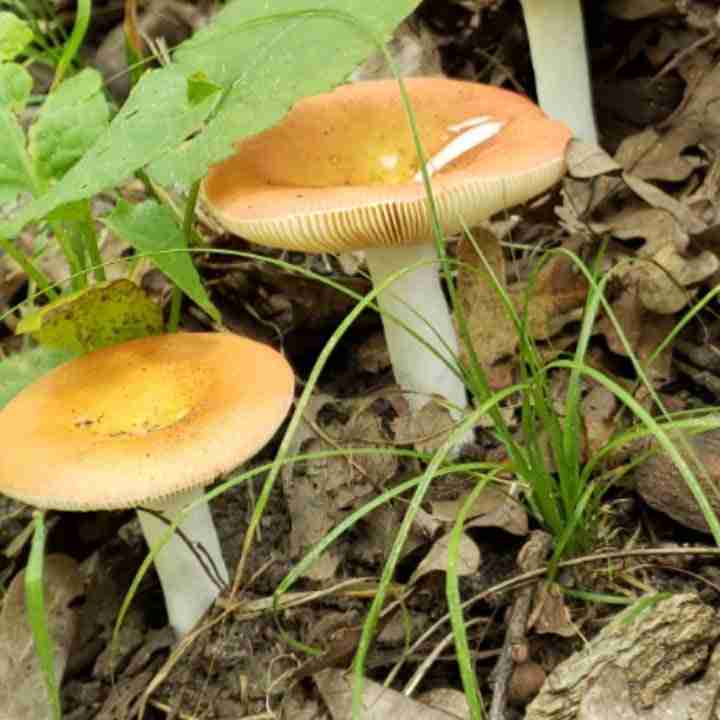
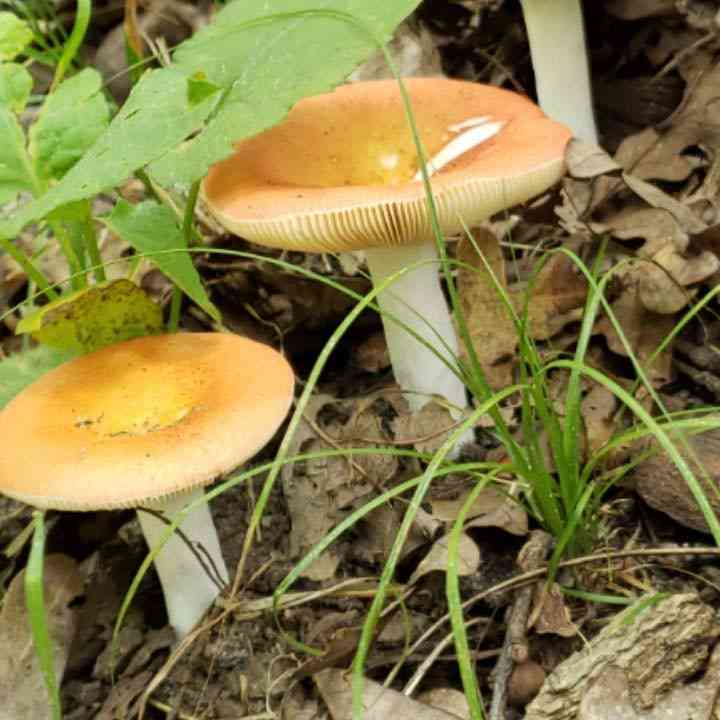
The golden brittlegill is generally recognized by its cap, which is a shade of golden-yellow and feels smooth and velvety to the touch. It thrives in both deciduous and mixed forests, typically emerging from late summer into the autumn months. A key feature of this mushroom is its delicate, fragile gills. Its stalk is white, often showing a yellow tint near the bottom, and the internal flesh emits a subtle scent.
In This Article
Attributes of Golden brittlegill
Cap Diameter
2 - 8 cm
Height
3 - 12 cm
Cap
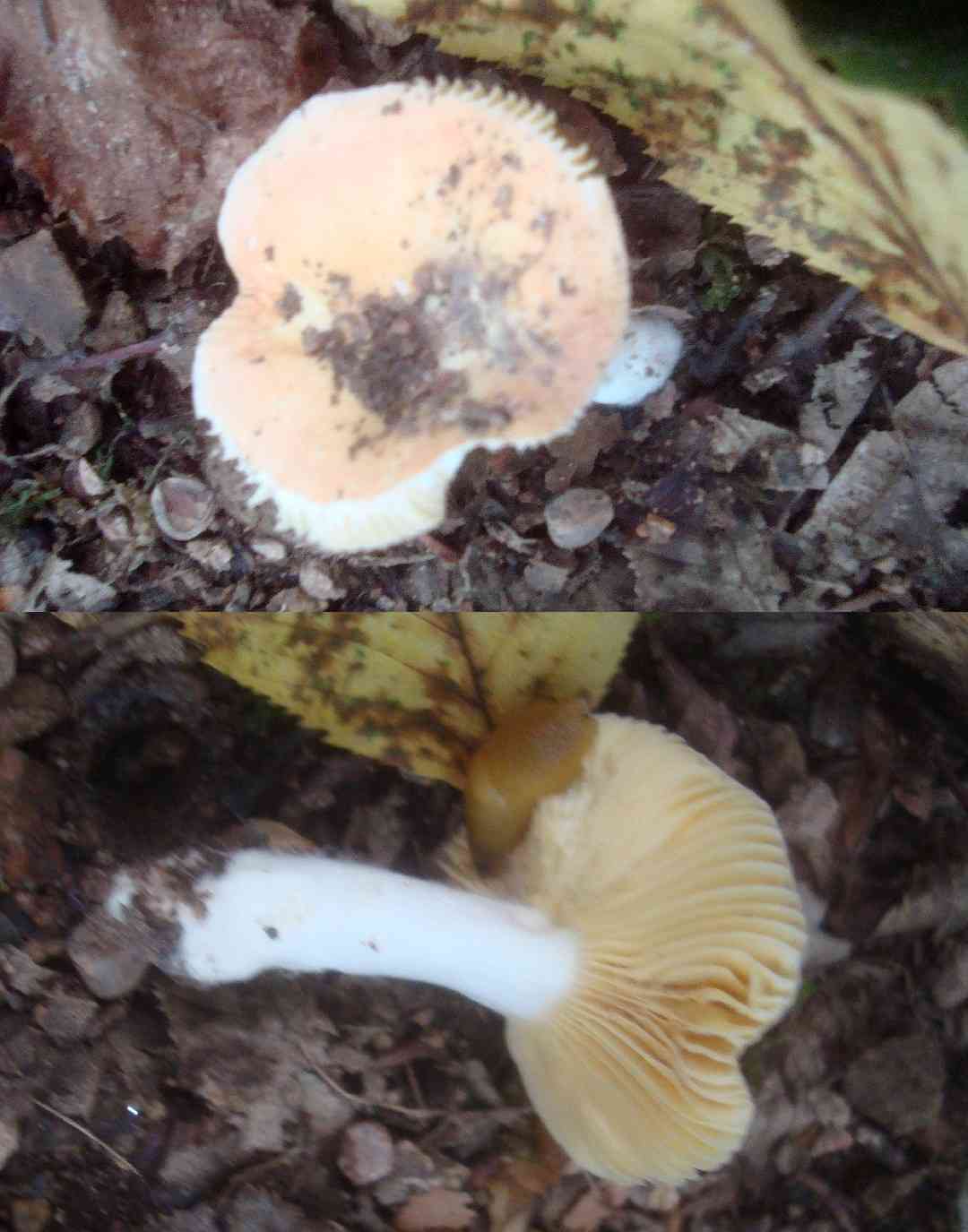
Cap 2 - 7 cm across; convex to saucer shaped; red to yellow; surface smooth; margin with striate
Cap Shape
Convex, Flat, Depressed, Central Bump
Cap Surfaces
Smooth
Gills
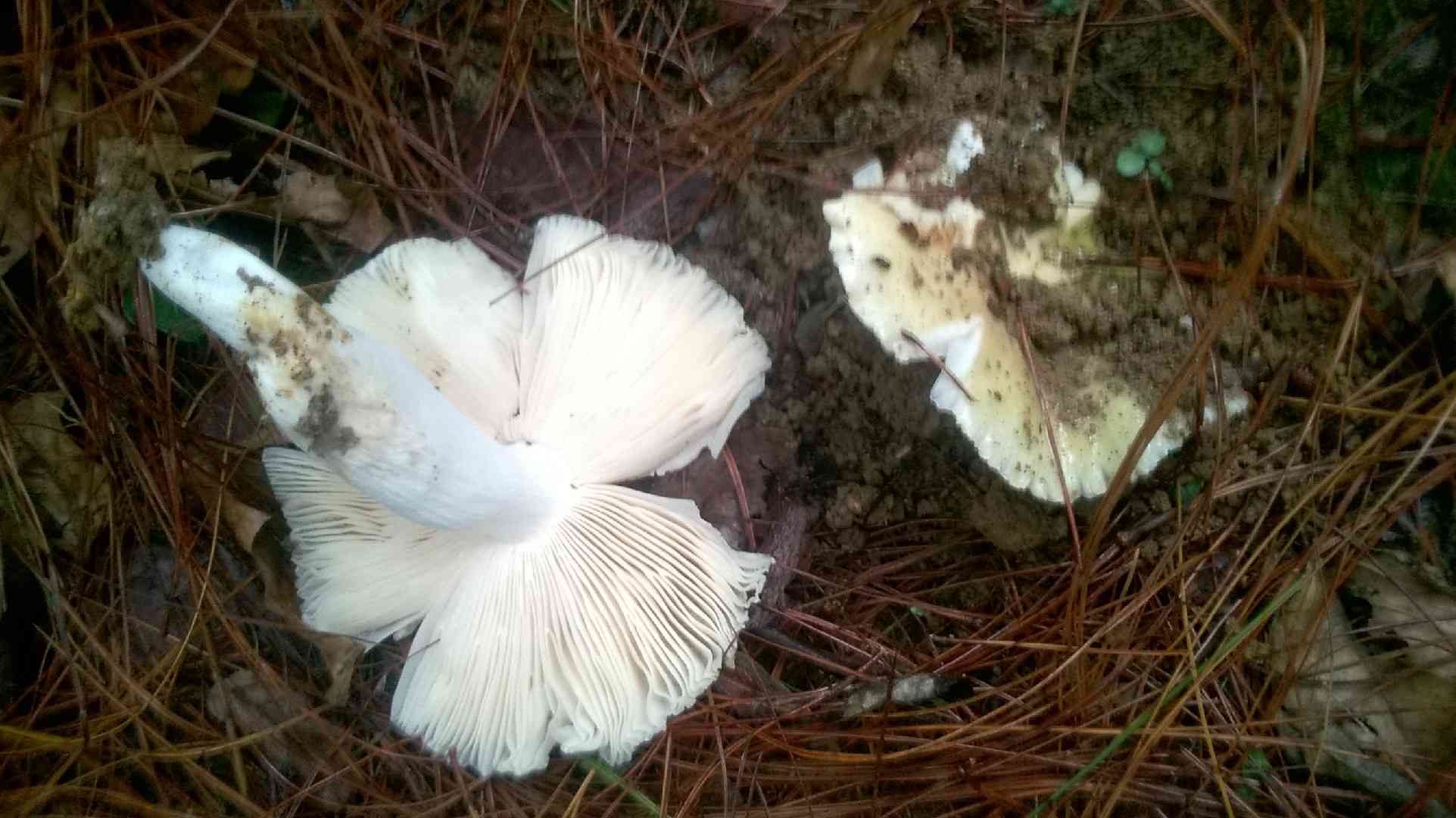
Free to adnate; crowded; yellow
Gill Attachment
Free to Attached
Stem
Stem 2 - 6 cm long, 5 - 15 mm thick; cylindrical; white; soft, fragile
Stem Shapes
Cylindrical
Flesh
Thin; frail; white; unchanging
Ring
Ringless
Spore Print Color
Bright yellow
Odor
Pleasantly fruity, with notes of mirabelle and rose.
Body Color
YellowRedWhite
Flesh Bruises
The flesh or milk does not discolor when bruised or cut.
Growth Form
Solitary, Scattered
Nutrient Gathering
Mycorrhizal
Substrate
On soil
You can find Golden brittlegill by these plants
Spruces, Oaks, European beech
Species Status
Occasional
Endangered Species
No
Scientific Classification of Golden brittlegill
Phylum
Club fungi
Class
Mushroom-forming fungi
Order
Russulales
Family
Russulaceae
Genus
Russulas
Toxicity and Edibility of Golden brittlegill
Is Golden brittlegill Toxic?
Toxicity information is not available for this mushroom. Always consult with an expert before consuming any wild mushrooms.

