Blackening russula
Russula nigricans
A species of Russulas. Also known as Bloody blackening russula.
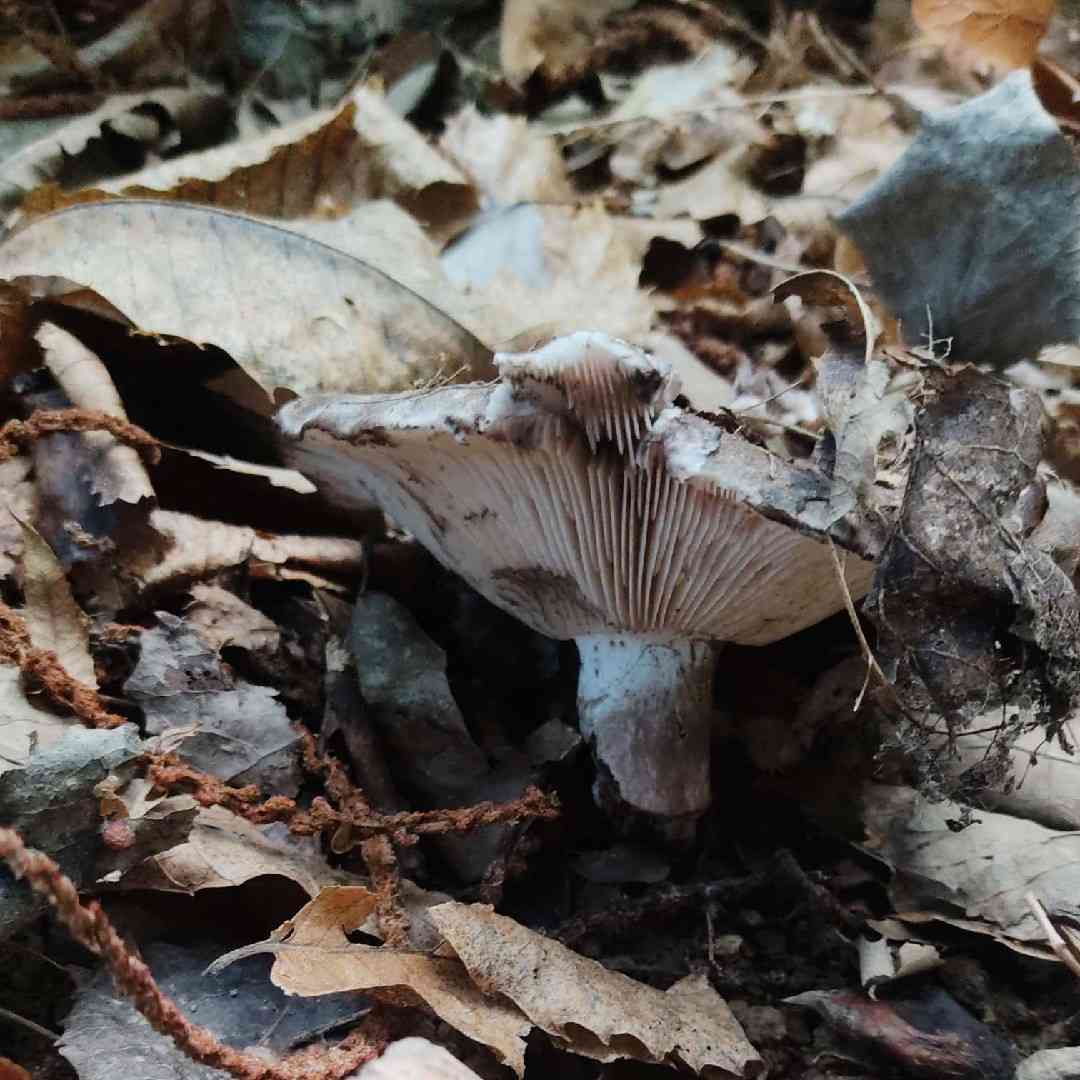
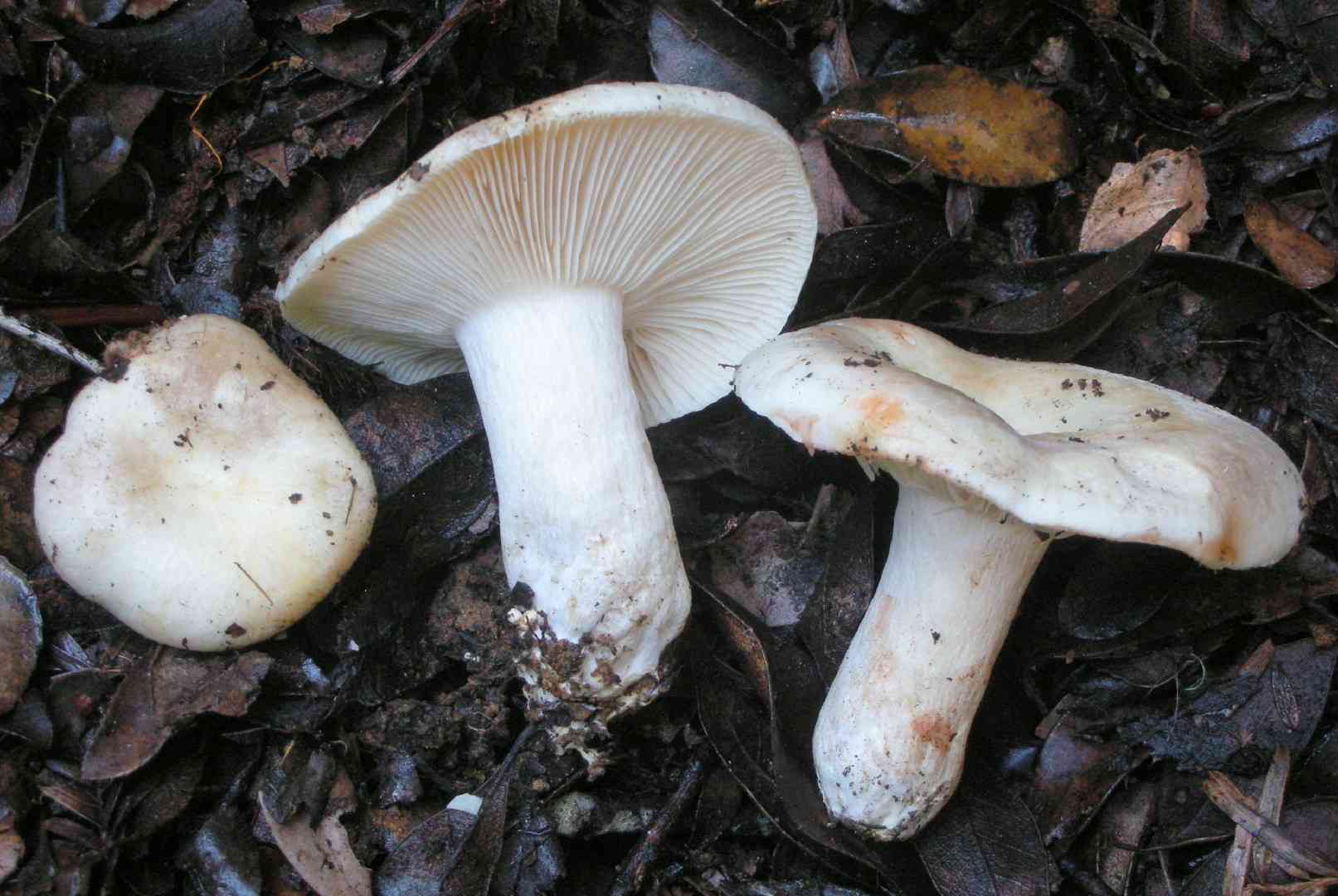
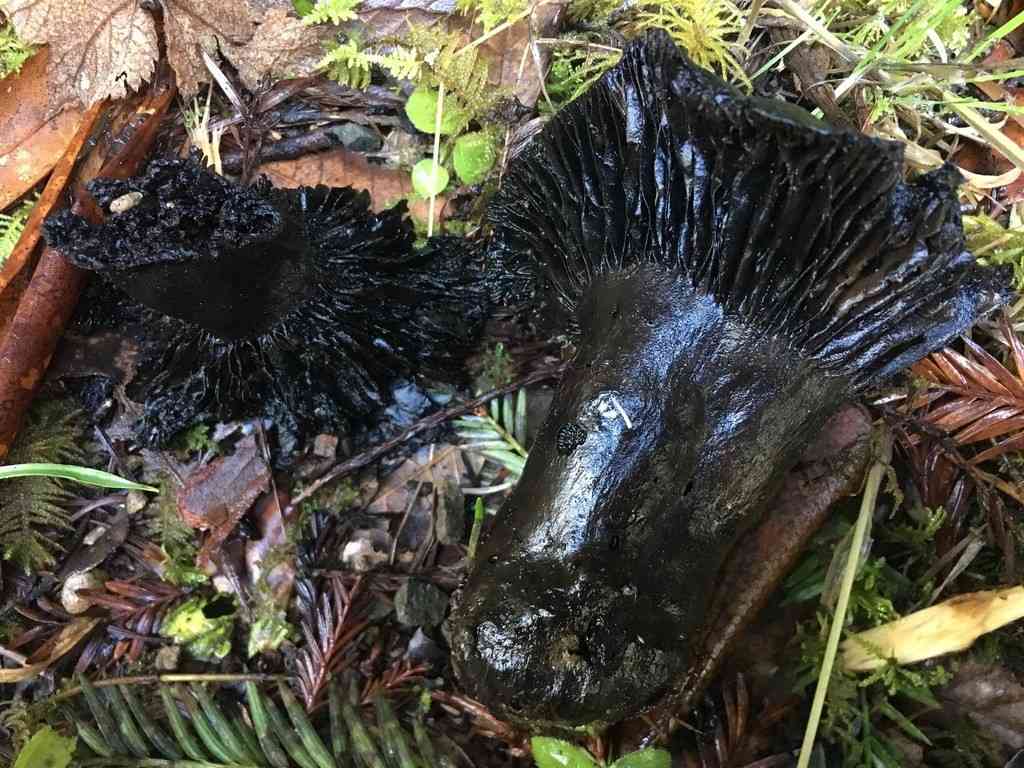
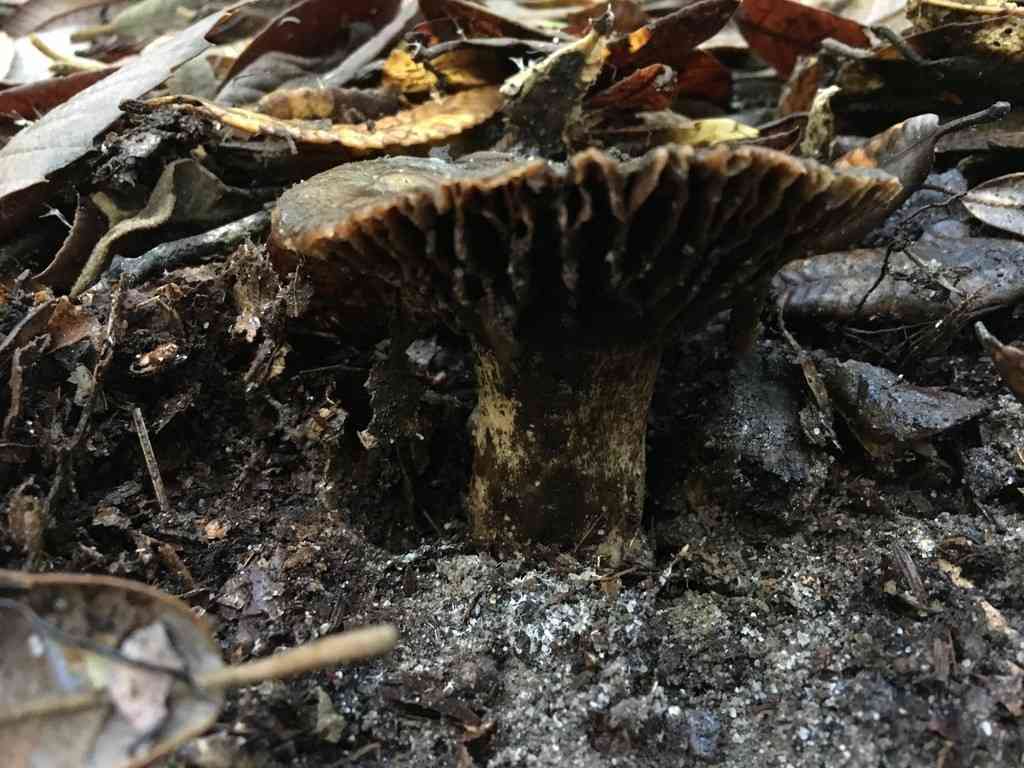
The Russula nigricans, commonly known as the blackening russula, exhibits a distinct darkening upon being cut or bruised. As this widely found mushroom matures, its entire fruiting body also turns black. Due to this characteristic, it is generally considered an undesirable mushroom, and its consumption is not recommended.
In This Article
Attributes of Blackening russula
Cap Diameter
5 - 20 cm
Height
4 - 10 cm
Cap
Cap 5 - 20 cm in diameter; convex, flat; dirty white, brown, black; smooth
Cap Shape
Convex, Flat, Depressed
Cap Surfaces
Smooth
Gills
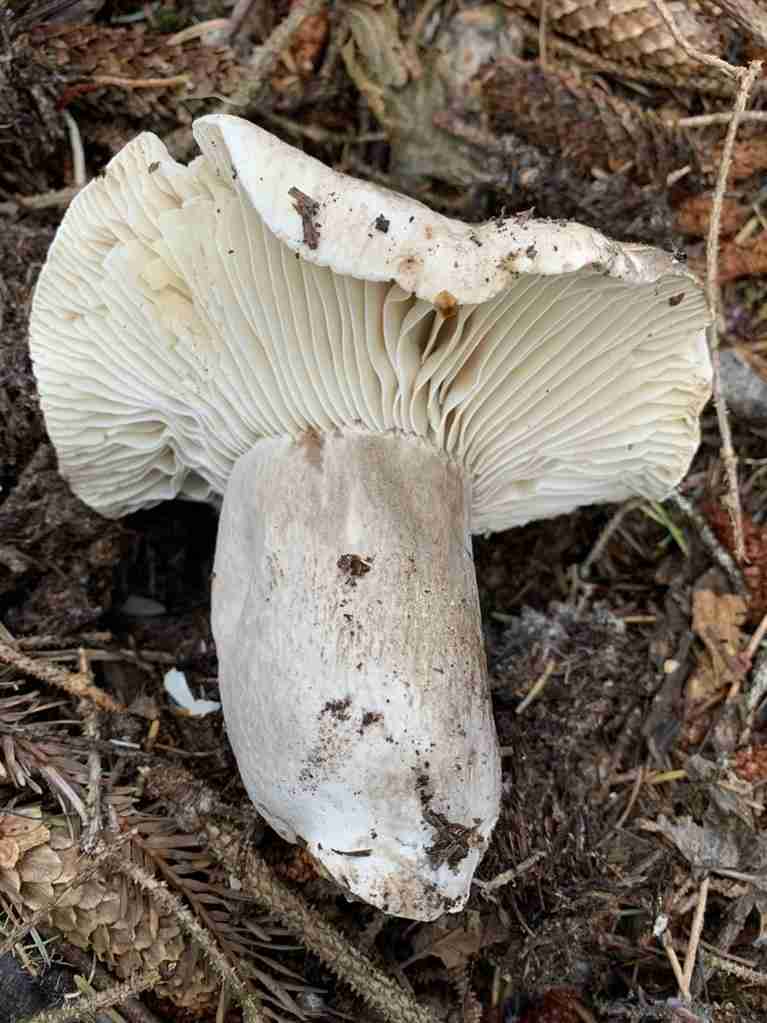
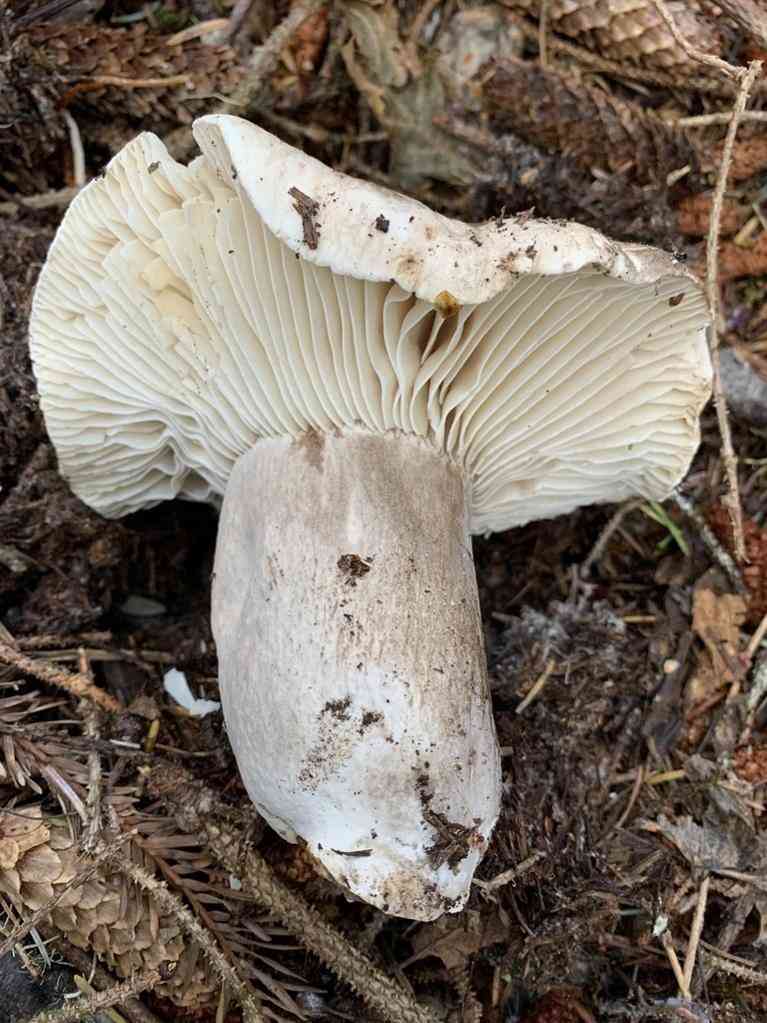
Adnate; white to cream, gray-brown, black; grey to black when bruised
Gill Attachment
Attached
Stem
Stem 5 - 8 cm long and 2 - 5 cm wide; straight, firm; white, too blackens with age
Stem Shapes
Cylindrical
Stem Surfaces
Smooth
Flesh
Cut flesh turn red, then slowly gray to black
Ring
Ringless
Spore Print Color
White
Odor
Faintly fruity, generally mild.
Body Color
White
Flesh Bruises
Discolor to reddish or gray-black
Growth Form
Gregarious
Nutrient Gathering
Mycorrhizal
Substrate
On soil
You can find Blackening russula by these plants
Oaks, Pines, Spruces, European beech
Occurence Habitats
Deciduous Woodland, Coniferous Woodland, Mixed Woodland
Species Status
Throughout Britain and Ireland
Endangered Species
No
Scientific Classification of Blackening russula
Phylum
Club fungi
Class
Mushroom-forming fungi
Order
Russulales
Family
Russulaceae
Genus
Russulas
Toxicity and Edibility of Blackening russula
Is Blackening russula Toxic?
It has been officially advised against consuming any variety of the blackening russula, as a specific subspecies was identified to possess a toxin. This toxin can induce rhabdomyolysis, a condition characterized by muscle breakdown that may result in kidney failure and prove fatal.