Purple-bloom Russula
Russula mariae
A species of Russulas.
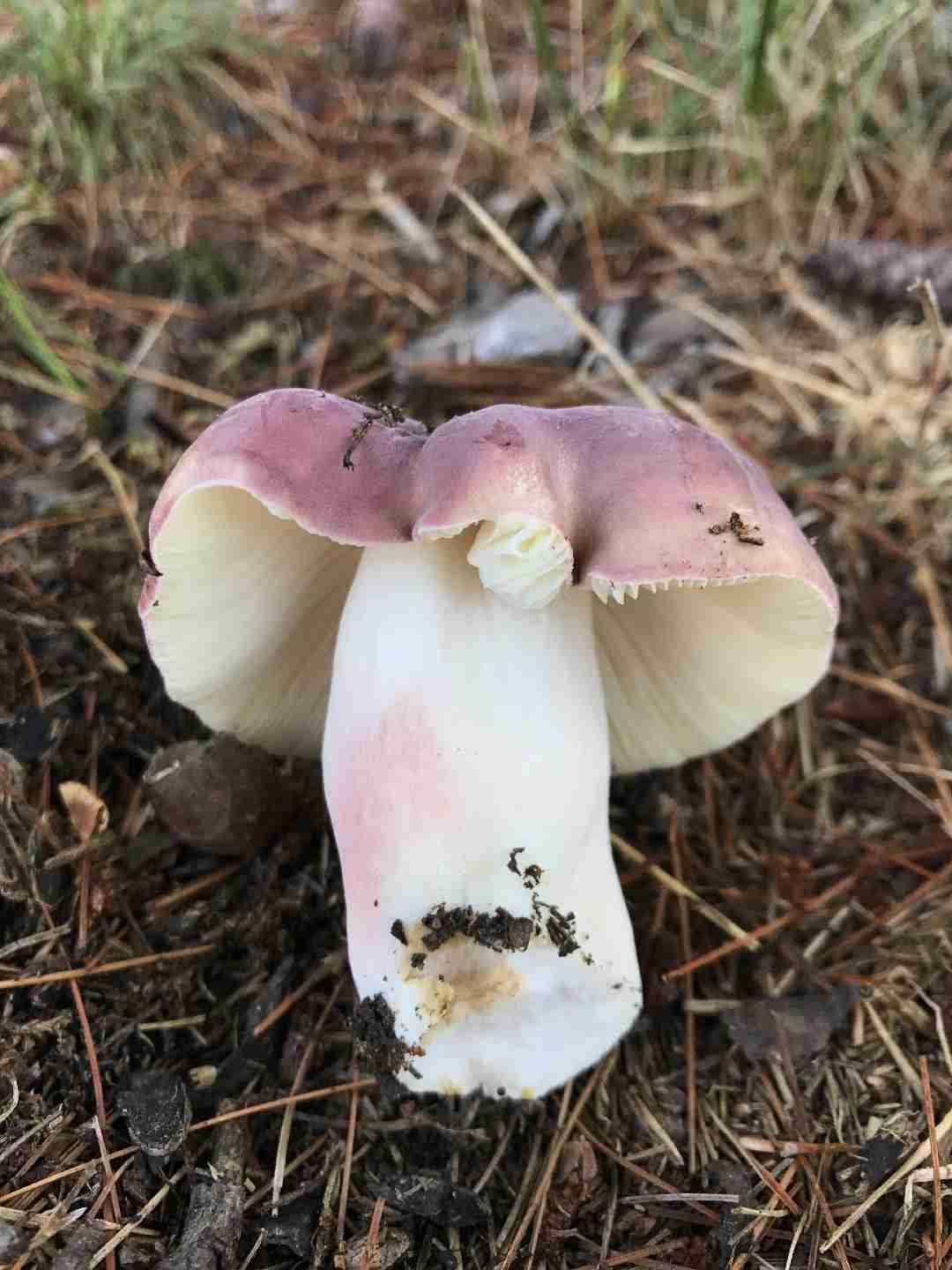
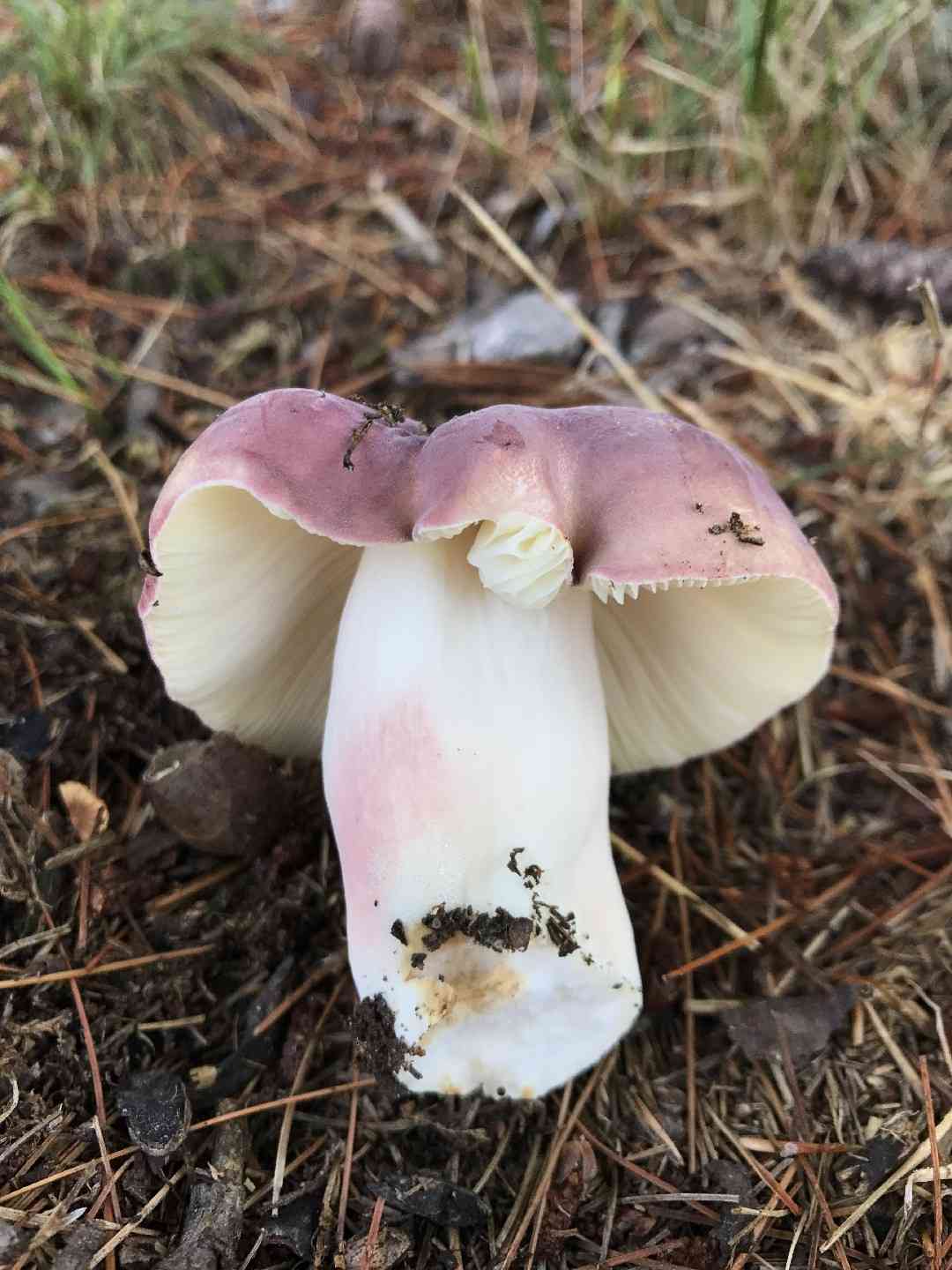
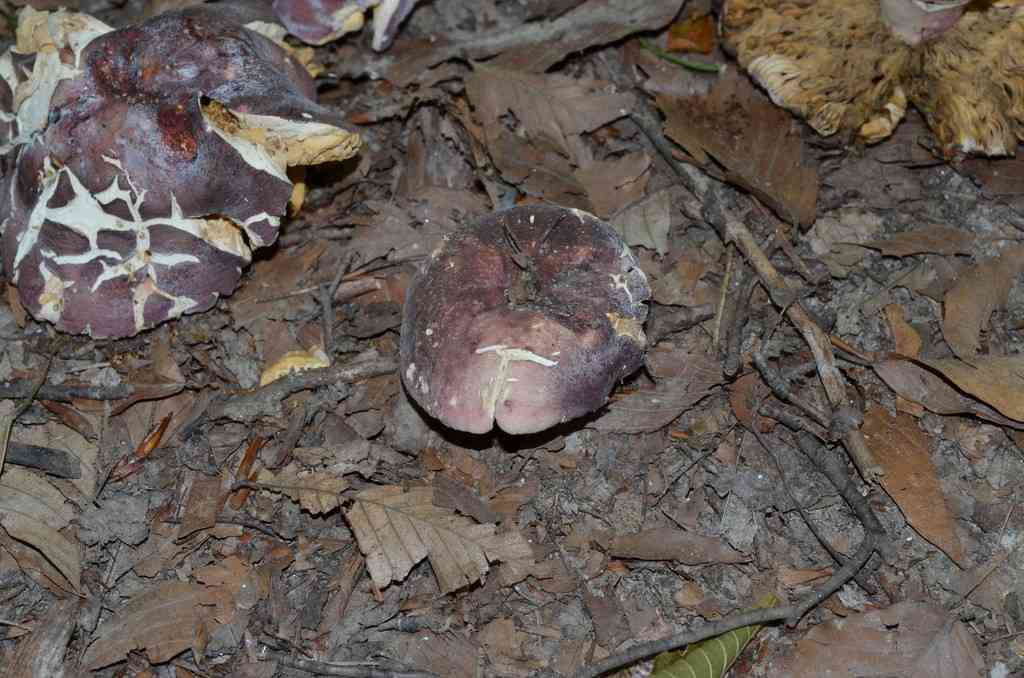
True to its name, the most distinguishing characteristic of the purple-bloom Russula is its purplish cap, which appears to be dusted with a white, powdery coating. Its stem also shares this same violet hue as the cap. This mushroom typically thrives beneath deciduous trees, particularly oak.
In This Article
Attributes of Purple-bloom Russula
Cap Diameter
2 - 10 cm
Height
2 - 7 cm
Cap
Cap 2 - 10 cm across; convex to flat; purple, red, pinkish, yellow, or brown; margin lined
Cap Shape
Convex, Flat, Depressed
Cap Surfaces
Visible lines or stripes
Gills
Attached; close, crowded; white, cream to pale yellow
Gill Attachment
Attached
Stem
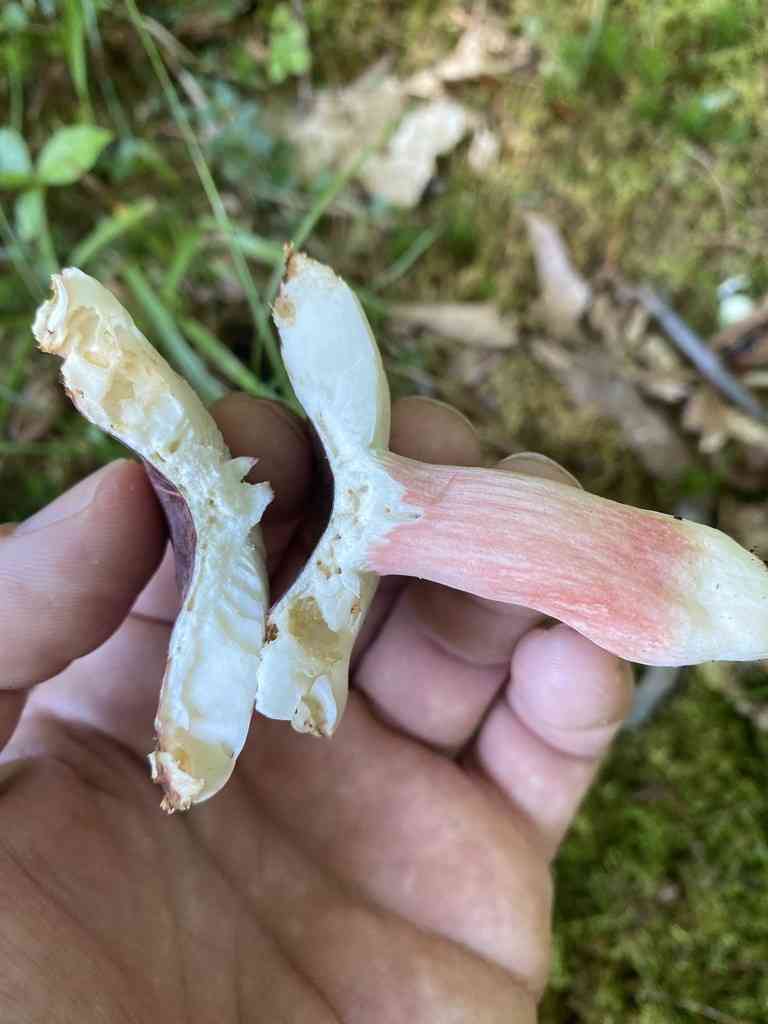
Stem 2 - 6 cm long, 5 - 20 mm thick; flushed pink or purplish; surface fairly smooth
Stem Shapes
Cylindrical
Stem Surfaces
Smooth
Flesh
White; unchanging when sliced
Ring
Ringless
Spore Print Color
Creamy to pale yellow
Odor
Oily, mildly unpleasant smell.
Body Color
BrownGreenYellowRedPurplePink
Flesh Bruises
The flesh or milk does not discolor when bruised or cut.
Growth Form
Scattered, Gregarious
Nutrient Gathering
Mycorrhizal
Substrate
On soil
You can find Purple-bloom Russula by these plants
Oaks, Pines
Occurence Habitats
Deciduous Woodland
Species Status
Widely distributed
Endangered Species
No
Scientific Classification of Purple-bloom Russula
Phylum
Club fungi
Class
Mushroom-forming fungi
Order
Russulales
Family
Russulaceae
Genus
Russulas
Toxicity and Edibility of Purple-bloom Russula
Is Purple-bloom Russula Toxic?
Toxicity information is not available for this mushroom. Always consult with an expert before consuming any wild mushrooms.

