Russula laeta
Russula laeta
A species of Russulas.
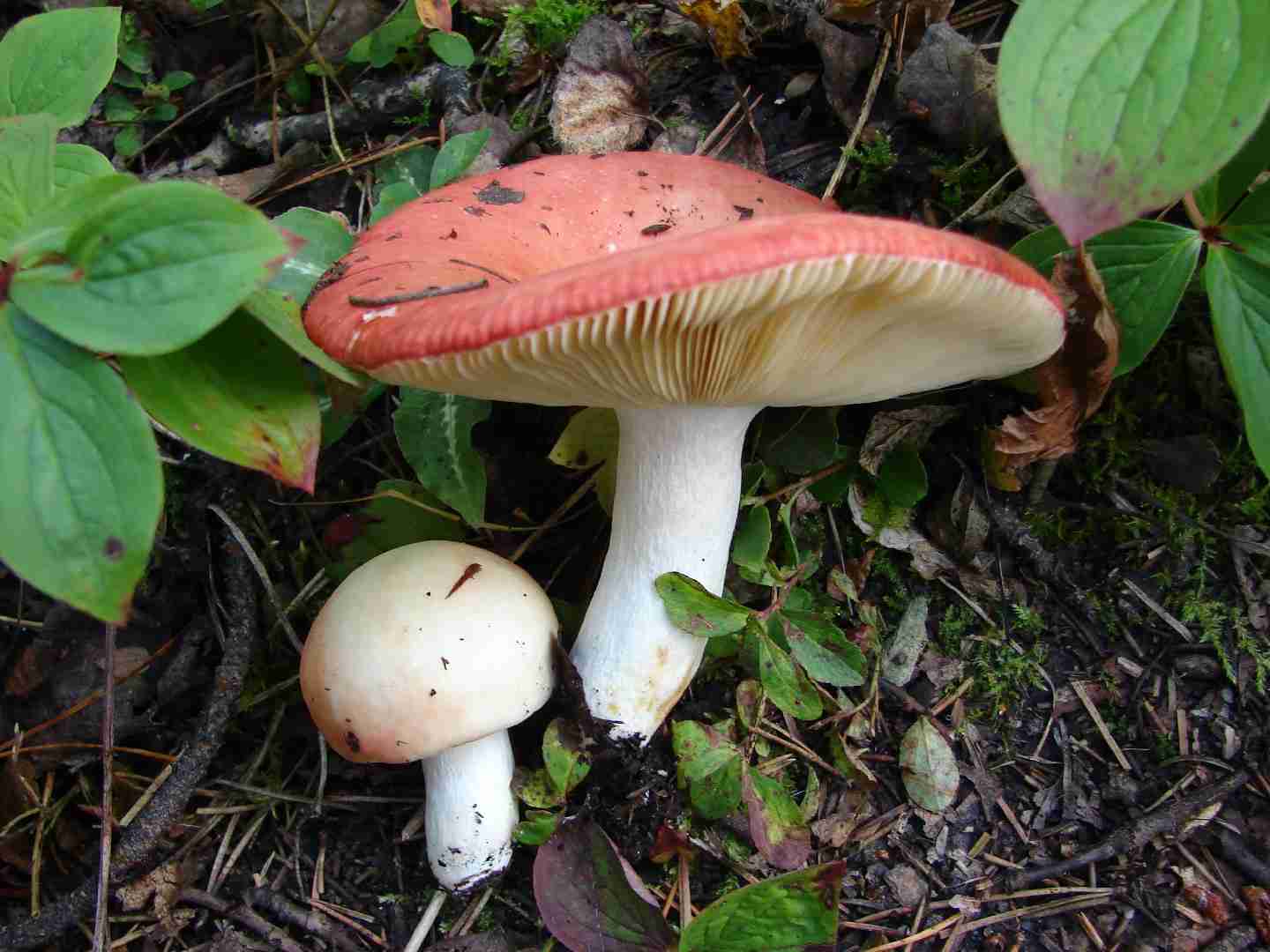
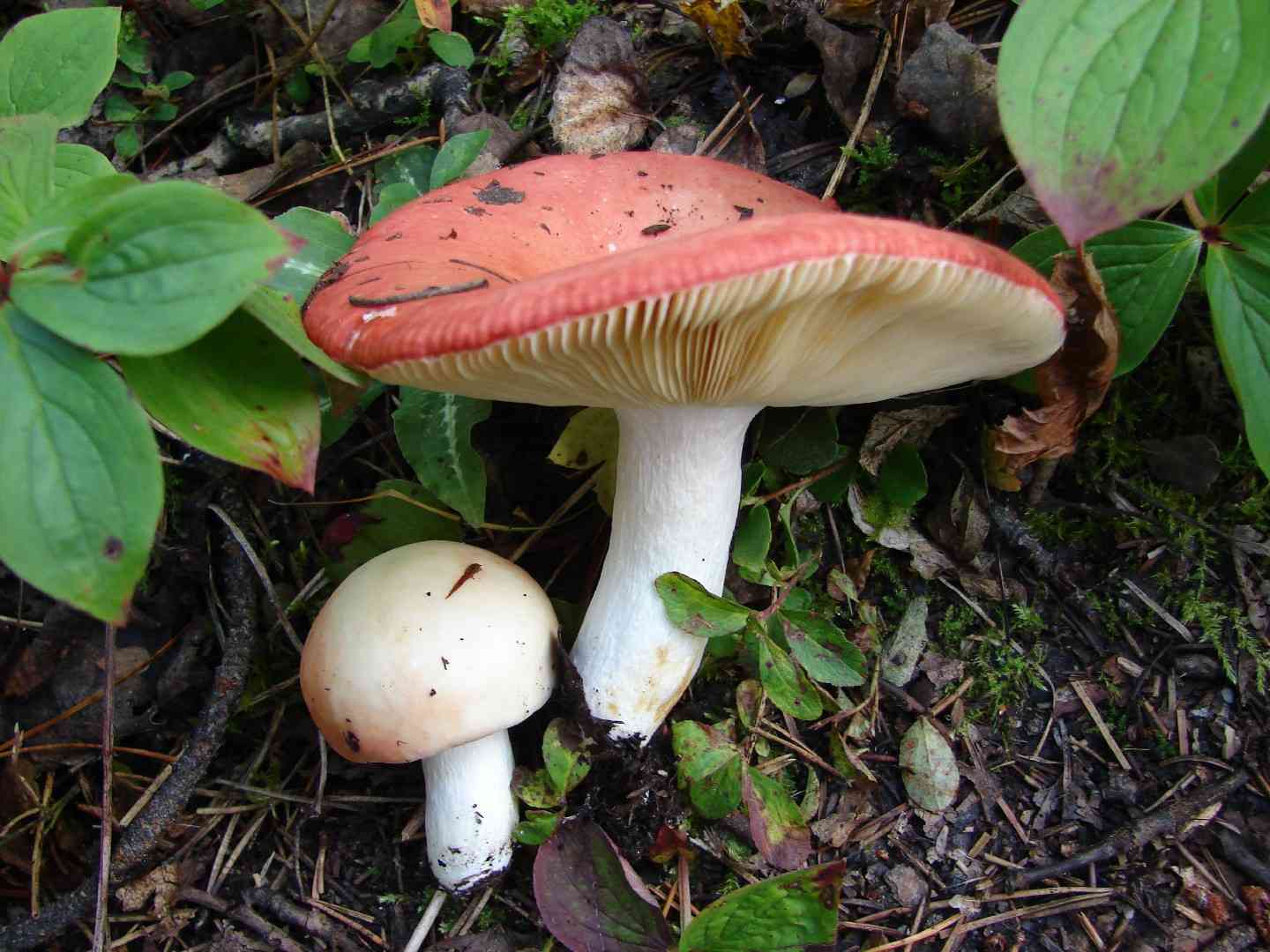
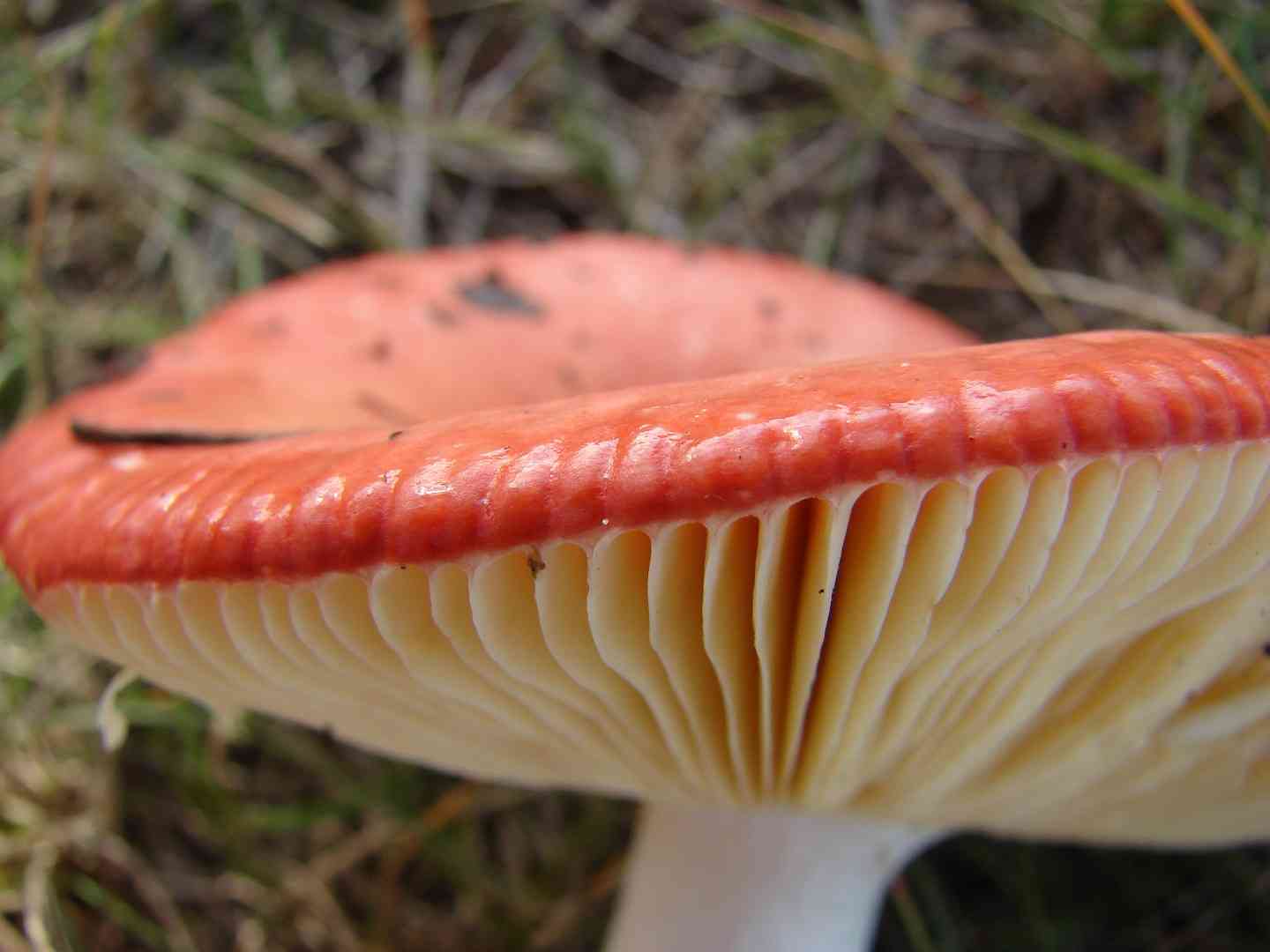
The vibrant crimson dove ring, scientifically known as Russula laeta (also identified as R. borealis or R. querceti), belongs to the Russulaceae family of fungi. It is distinguished by its intense cinnabar to geranium red hues adorning the margin of its cap, reminiscent of the pungent honey dove ring (R. veternosa). Additionally, its cap center displays an orange-pink to deep red tint. This species also features a moist cap surface that develops a sheen upon drying, and its cap edge becomes wrinkled with maturity.
In This Article
Attributes of Russula laeta
Cap Diameter
2 - 10 cm
Height
5 - 12 cm
Cap
Cap 3 - 7 cm across; arched to flat; pink, orange-red, ocher; surface rough, slightly wrinkled
Cap Shape
Convex, Flat, Depressed
Cap Surfaces
Visible lines or stripes
Gills
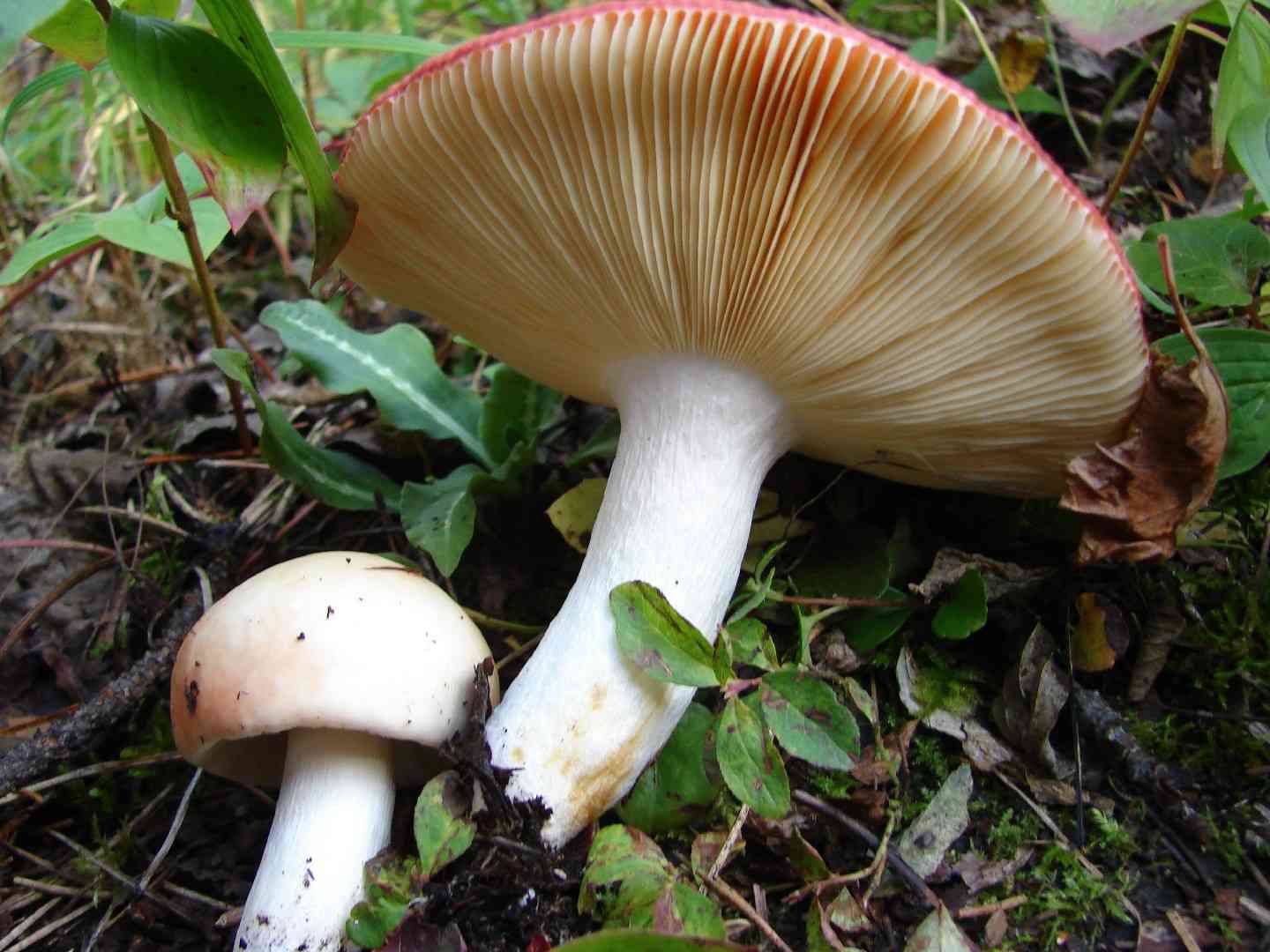
Close; creamy, yellow
Gill Attachment
Attached
Stem
Stem 3 - 6 cm long, 1 - 1.5 cm thick; cylindrical to cuneate; greyish, pinkish
Stem Shapes
Cylindrical
Flesh
White; unchanging
Ring
Ringless
Spore Print Color
Yellow
Odor
Mildly fruity, hints of woody geranium.
Body Color
BrownRedWhiteOrangePinkCream
Flesh Bruises
The flesh or milk does not discolor when bruised or cut.
Growth Form
Solitary, Scattered, Gregarious
Nutrient Gathering
Mycorrhizal
Substrate
On soil
You can find Russula laeta by these plants
Oaks, Pines, European beech
Scientific Classification of Russula laeta
Phylum
Club fungi
Class
Mushroom-forming fungi
Order
Russulales
Family
Russulaceae
Genus
Russulas
Toxicity and Edibility of Russula laeta
Is Russula laeta Toxic?
Toxicity information is not available for this mushroom. Always consult with an expert before consuming any wild mushrooms.

